1. At a Glance – The Monopoly That Forgot to Party
Vardhman Acrylics Ltd (VAL) is that rare Indian company which can legally say, “Boss, acrylic fibre market is basically mine.” With ~90% of India’s operational acrylic fibre capacity, VAL sits like a bored king on a textile throne, sipping dividend tea while stock prices sulk.
Market cap around ₹300 Cr, current price ₹37, dividend yield a juicy ~4%, zero debt, and promoters holding ~75%. Sounds dreamy? Wait. ROE is just 4.86%, ROCE 6.68%, and five-year sales growth is… negative. Yes, monopoly vibes, but profit energy of a government office after lunch.
Latest Q3 FY26 (Dec 2025) numbers show revenue down YoY, but profits jumping 87% QoQ, mainly because operating margins woke up from coma and other income keeps paying rent.
So the real question:
👉 How does a company owning 90% of capacity still earn single-digit returns?
Stick around. This is not a scam story. It’s worse. It’s a lazy monopoly story.
2. Introduction – When Dominance Meets “Chalta Hai”
Vardhman Acrylics Ltd was incorporated in 1990, long before startups discovered the word “platform”. It manufactures acrylic fibre and tow, sold under the Varlan brand, used in sweaters, blankets, carpets, and basically anything wool wants to become when it grows up.
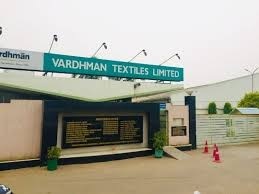
The company is part of the Vardhman Group, with Vardhman Textiles Ltd holding ~70.74% stake, providing managerial and operational support. Translation: Big brother handles things, small brother sends dividends.
Acrylic fibre is a niche product. India doesn’t have many players, imports are limited, and demand is linked to winter wear, home furnishings, and exports. VAL therefore operates in a low-growth, low-competition, low-stress environment.
Sounds peaceful? Yes.
Sounds exciting? Absolutely not.