1. At a Glance – Seeds Are Sprouting, Stock Isn’t
Market cap sitting at ₹1,002 Cr, stock price ₹95.5, down ~22% in 3 months and ~31% over 1 year. Meanwhile, the business is behaving like a topper who keeps scoring well but gets ignored at the prize ceremony.
Latest Q2 FY26 numbers show ₹26.85 Cr revenue, ₹2.24 Cr PAT, and EPS ₹0.21 for the quarter. ROE is a spicy 28.8%, ROCE 21.2%, and debt-to-equity a very farmer-friendly 0.25.
Sales over FY22–FY24 grew 35%, driven by groundnut seeds becoming the Salman Khan of the portfolio (60% of revenue). The company runs with 73.8% promoter holding, zero pledge, and no dividend (because why share the harvest?).
Valuation? P/E 36×, EV/EBITDA ~27.7×, P/B 8.4×. Market clearly believes these seeds are premium… but also wants proof they won’t dry up next monsoon.
So the big question: Is this a high-quality agri compounder stuck in a bad weather cycle, or a seasonal business being priced like SaaS?
2. Introduction – Welcome to the Seasonal Rollercoaster
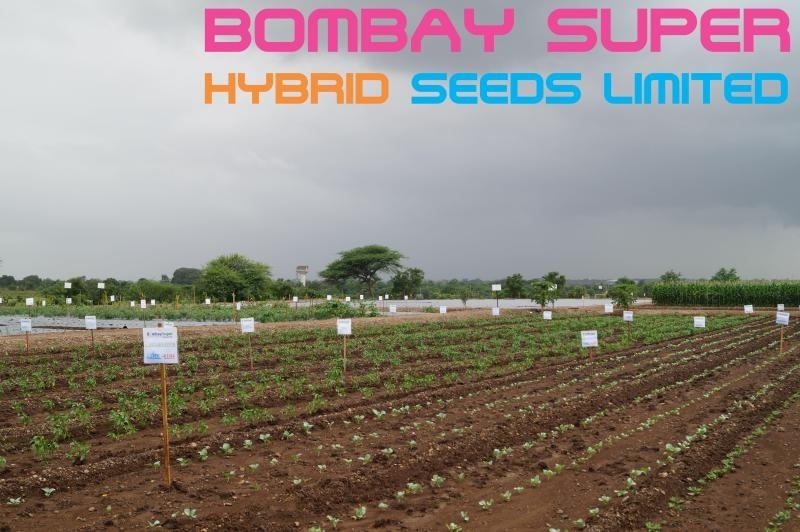
Bombay Super Hybrid Seeds is not new to farming cycles. It’s been quietly selling seeds, advising farmers, and expanding its product catalogue while the stock market behaves like a moody mandi trader.
On paper, this looks impressive: 150+ seed varieties, presence across 14 states, 1,500 distributors, and 20 lakh+ farmers buying their seeds. In reality, revenues swing quarter to quarter like a pendulum, because agriculture doesn’t respect Excel sheets.
The company’s strength is its groundnut dominance, but that’s also the risk. When groundnut sells, profits bloom. When it doesn’t, analysts suddenly rediscover the word “cyclical.”
Add to this: working capital heavy business, long cash conversion cycles, and inventory days that would make a logistics manager cry. Yet, despite all this, ROE north of 25% persists.
So what’s happening? Are markets punishing seasonality too harshly, or is valuation just ahead of reality? Before judging, let’s understand what these guys actually do.
3. Business Model – WTF Do They Even Do?
Imagine being the Netflix of seeds. Farmers don’t buy just one episode; they subscribe every season. That’s Bombay Super Hybrid Seeds in spirit.
They produce, process, and market hybrid & GM seeds across crops like groundnut, gram, cumin, coriander, sesame, maize,