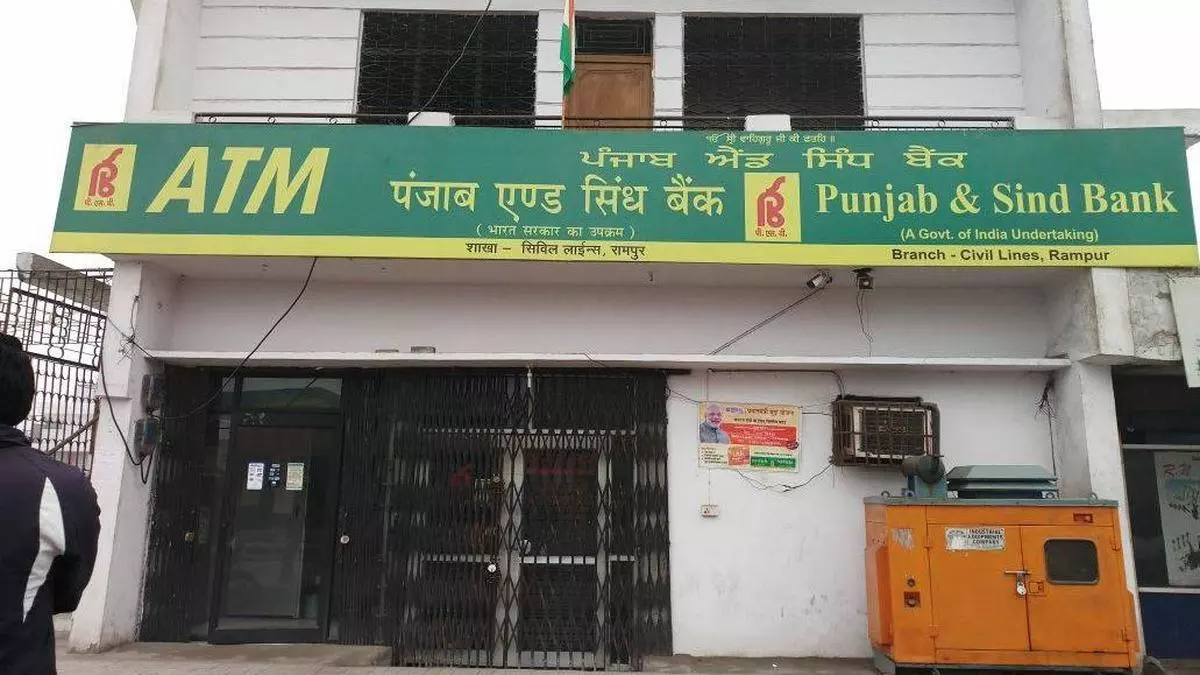
Punjab & Sind Bank Q3 FY26 – ₹336 Cr Quarterly Profit, GNPA Slashed to 2.6%, Yet Valuations Acting Like It’s Still 2019
1. At a Glance – Blink and You’ll Miss the Turnaround
₹20,570 crore market cap. Stock price hovering around ₹29. One-year return that looks like it survived a market accident. And yet, Punjab & Sind Bank quietly posted ₹336 crore PAT in Q3 FY26, up nearly 19% YoY, while gross NPAs have collapsed from scary double digits to a surprisingly civilized 2.6%. This is a PSU bank that spent years being written off in investor WhatsApp groups, suddenly behaving like it attended a financial discipline bootcamp. Advances are up, deposits are up, digital transactions are exploding, and the balance sheet looks… functional. ROE is still shy at ~7%, but compared to the historical trauma this bank has inflicted on shareholders, this feels like progress. The valuation, however, still trades at a premium P/E versus PSU peers who are bigger, richer, and louder. So the obvious question hanging in the air is simple: is the market underestimating the cleanup, or overpaying for a late recovery story?
2. Introduction – From PSU Punching Bag to Probationary Overachiever
If Indian PSU banks were a school classroom, Punjab & Sind Bank would be that student who spent a decade sitting on the last bench, barely passing exams, occasionally getting suspended, and then suddenly—out of nowhere—starts submitting homework on time.
Historically, this bank was known for exactly three things: weak profitability, high NPAs, and being ignored in serious investor conversations. Capital infusions came, losses followed, and patience evaporated. But something has changed post-FY22. The bank didn’t just talk about cleaning up the book—it actually did it. GNPA dropped from 6.97% in FY23 to 2.6% in Q3 FY26. Net NPA slid to 0.74%. Provision coverage is near 90%, which in PSU land is basically “wearing a helmet and knee guards”.
The business mix has also quietly evolved. Corporate banking has expanded its share, retail has slimmed down (strategically, not accidentally), and treasury income has become a meaningful contributor. Advances crossed ₹95,870 crore in 9M FY25, deposits crossed ₹1.27 lakh crore, and digital adoption numbers would make some private banks nod approvingly.
This is not a miracle turnaround. It’s a slow, bureaucratic, PSU-style repair job. No fireworks, no fintech buzzwords—just incremental discipline. Whether that discipline deserves a rerating is the real debate.
3. Business Model – WTF Do They Even Do?
At its core, Punjab & Sind Bank does exactly what a bank is supposed to do—no NFTs, no crypto custody, no “super-app ecosystem”.
It takes deposits, gives loans, earns interest, and tries very hard not to mess it up.
The business is split across four buckets:
Corporate Banking (38% of business): Loans to corporates, infrastructure players, and government-linked entities. This segment has grown in importance since FY23, reflecting the bank’s comfort with secured and structured lending rather than unsecured retail chaos.
Retail Banking (32%): Home loans, car loans, personal banking. This segment has actually reduced in share, which is not a bad thing for a PSU bank still optimizing risk controls.
Treasury (29%): Government securities, bond trading, and interest rate management. Treasury income has been a stabilizer during volatile rate cycles.
Others (1%): Basically accounting dust.
The bank operates 1,584 branches across 351 districts, supported by over 2,000 business correspondents. The real story, though, is digital. Over 92% of transactions are now digital, with 51.87 crore UPI transactions in Q3 FY25 alone. This isn’t a sleepy rural lender anymore—it’s a PSU bank that finally figured out QR codes.
4. Financials Overview – The Numbers That Matter
Quarterly Performance (Figures in ₹ Crore)
Source table
Metric
Latest Qtr (Q3 FY26)
YoY Qtr (Q3 FY25)
Prev Qtr (Q2 FY26)
YoY %
QoQ %
Revenue
3,042
2,931
2,999
3.8%
1.4%
EBITDA*
456
375
357
21.6%
27.7%
PAT
336
282
295
19.3%
13.9%
EPS (₹)
0.47
0.42
0.42
11.9%
11.9%
*For banks, EBITDA is approximated using operating profit (PBT + provisions contextually adjusted).
This is quarterly results, so annualised EPS = ₹0.47 ×