Central Bank of India Q3 FY26 – ₹1,265 Cr Quarterly Profit, GNPA Crushed to 2.7%, Stock at 0.9x Book: Revival or Just a PSU Mood Swing?
1. At a Glance – PSU Bank With a Redemption Arc (Finally?)
If Indian public sector banks had a reality TV show, Central Bank of India would be the contestant that survived every eviction round despite judges repeatedly saying, “Beta, aap rehne do.” And yet, here we are in Q3 FY26, staring at ₹1,265 crore quarterly profit, GNPA down to a respectable 2.7%, Net NPA at 0.46%, and a stock trading at roughly 0.9x book value like it still hasn’t processed its own glow-up.
Market cap is around ₹34,900 crore, current price near ₹38–39, and the bank just declared its third interim dividend like it’s suddenly confident again. Quarterly PAT growth is over 31% YoY, ROE has crawled into double digits at ~11.4%, and EPS for the quarter stands at ₹1.40. Annualise that (because yes, these are Quarterly Results, lock it in), and you’re staring at an EPS of roughly ₹5.6.
But before you start humming “Achhe din aa gaye”, remember: this is still Central Bank of India. The same bank that once had GNPA in double digits, lived under PCA like a hostel inmate under strict warden rules, and needed government equity infusions like IV drips in ICU.
So the real question is: Is this a genuine turnaround, or just a well-timed PSU bank rally with makeup and lighting? Let’s investigate like a sarcastic auditor with a calculator and trust issues.
2. Introduction – From PCA Prison to Dividend Declaration
Central Bank of India’s story is not for the faint-hearted. This is a bank that entered Prompt Corrective Action (PCA) in 2017, when NPAs were exploding faster than startup pitch decks in 2021. Growth was restricted, lending was shackled, and profitability was more theoretical than practical.
Fast forward to FY26, and the same institution is reporting:
Consistent quarterly profits
Improving asset quality every single quarter
Capital adequacy at ~13.8%
And enough confidence to distribute dividends again
The journey from “problem child PSU” to “okay-ish responsible adult” didn’t happen overnight. It involved aggressive NPA resolution, write-offs, recoveries, restrained lending, and—let’s not pretend otherwise—heavy government support, including a ₹4,800 crore preferential allotment in FY22.
What’s changed now is not just numbers, but narrative. Management commentary has shifted from “we are focusing on recovery” to “we are growing retail, MSME, and agriculture through co-lending.” GNPA has steadily dropped from over 8% in FY23 to 2.7% in Dec 2025. Net NPA is now below 0.5%, which in PSU bank language is basically IIT rank level achievement.
Still, the market is cautious. The stock trades below book value, ROA is under 1%, and contingent liabilities are chunky. Investors have been burned before. And honestly, can you blame them?
So let’s break this down calmly—business model, financials, balance sheet, cash flows, ratios, peers, governance, and the inevitable PSU roast.
3. Business Model – WTF Do They Even Do? (With 4,500 Branches)
At its core, Central Bank of India is a plain-vanilla commercial bank. No fintech drama, no crypto ambitions, no AI super-app announcements every quarter. Just deposits, loans, treasury operations, and the eternal struggle of managing NPAs.
Its operations are divided into:
Treasury Operations – government securities, money market instruments, forex
Corporate & Wholesale Banking
Retail Banking
Other Banking Businesses (which usually means things auditors love footnotes for)
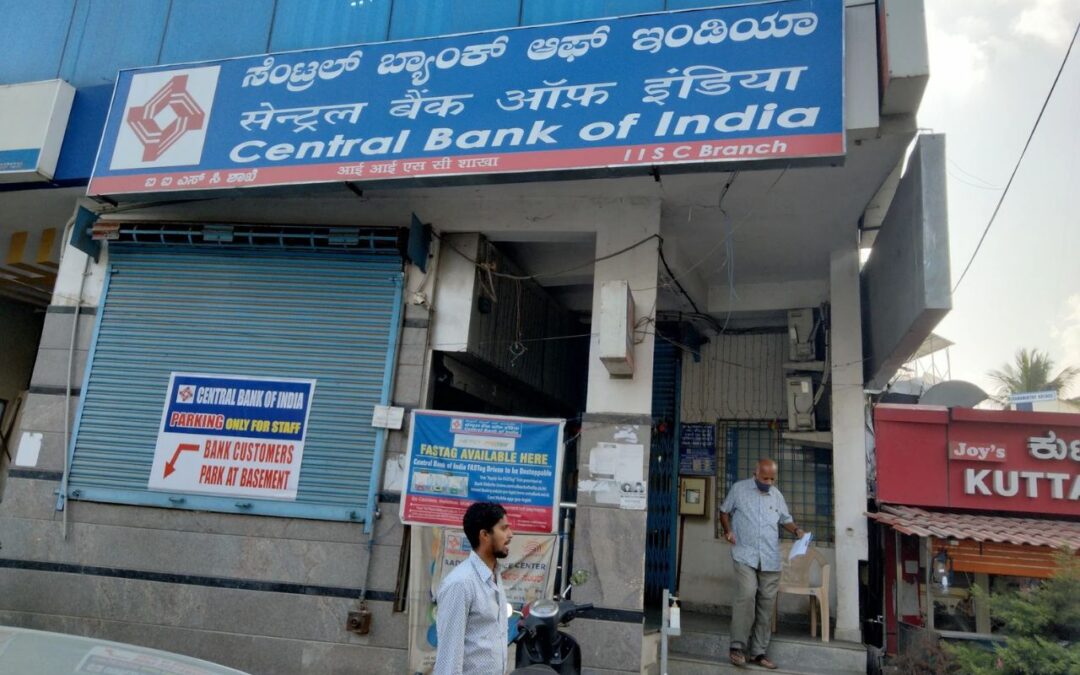
What makes Central Bank interesting (and occasionally terrifying) is its geographic footprint. Around 65% of its ~4,500 branches are in rural and semi-urban India. Add ~2,900 ATMs and over 10,000 BC outlets, and you realise this bank is less about glossy metro branches and more about being present where WhatsApp banking still needs explanation.
Loan book mix is reasonably diversified:
Corporate: 34%
Retail: 28%
Agriculture: 20%
MSME: 18%
Retail loans are dominated by home loans (~57% of retail book), which are comparatively safer and politically blessed. Infrastructure remains the single largest sectoral exposure at ~11%, followed by