DEN Networks Ltd Q3 FY26 – ₹251 Cr Revenue, ₹40 Cr PAT, EV Goes Negative & Cable TV Refuses to Die
1. At a Glance – The ‘Cable Ko Koi Hila Nahi Paaya’ Story
₹1,444 crore market cap. Stock chilling at ₹30.2, down ~22% in one year, while book value smugly sits at ₹77.7 like a retired PSU uncle at a kitty party. DEN Networks Ltd just delivered Q3 FY26 numbers with ₹251 crore revenue and ₹40 crore PAT, and yet the stock behaves like it just heard a breakup playlist on loop. The P/E is a modest 7.6x, price-to-book is a spicy 0.39x, ROCE is a sleepy 5.28%, and debt-to-equity is basically zero (0.01) — the balance sheet equivalent of “mummy kasam, no loans.”
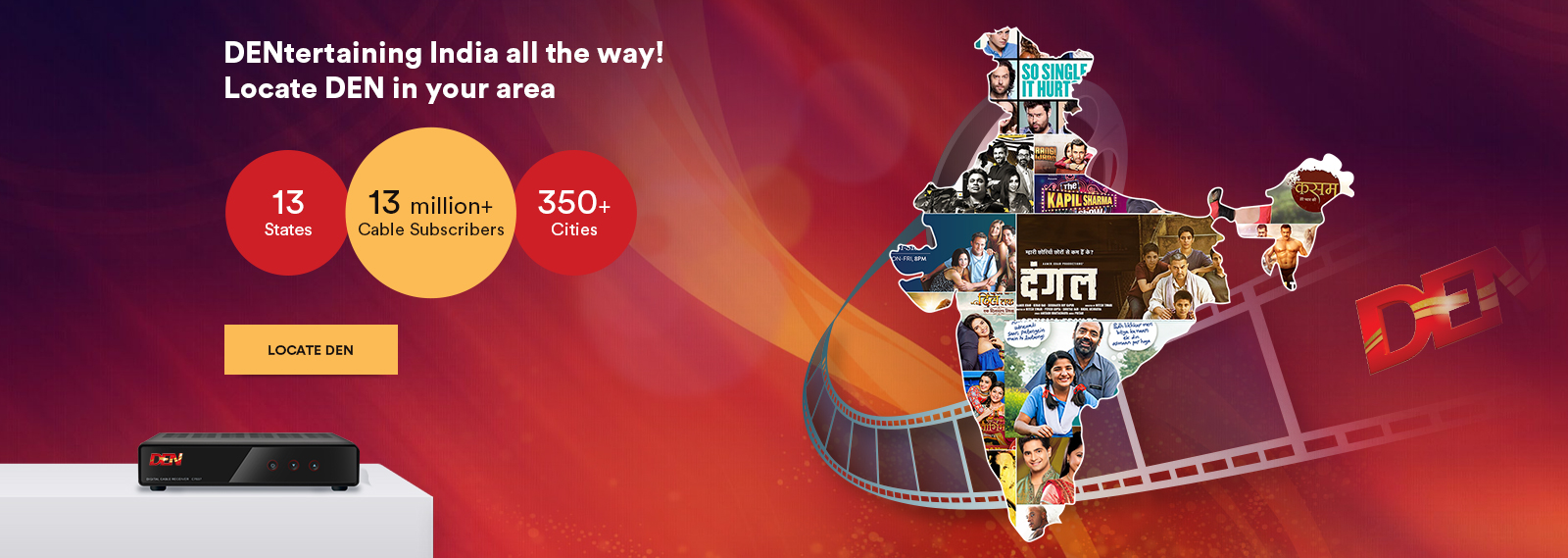
But here’s the real masala: Enterprise Value is negative (~₹-200 crore). Yes, negative. The market is literally saying, “Take the business for free, just handle the remote control and the LCOs.” Despite serving 13 million+ households across 433 cities, DEN’s quarterly sales fell ~3.7% YoY and profits slipped ~5.8%. So the business earns money, but the market still refuses to clap. Why? Because this is cable TV in the age of JioFiber, Netflix, and kids who don’t know what a set-top box reboot is.
So is DEN a value trap, value snack, or value buffet that nobody wants to enter? Let’s open the STB, slowly.
2. Introduction – A Reliance Kid With Middle-Aged Problems
DEN Networks is that child who married into the richest family in India but still complains about back pain. Acquired by Reliance in FY19, now ~75% owned by the Reliance ecosystem, DEN should theoretically be living the good life. After all, when Reliance Industries Limited adopts you, data, distribution, and cash are supposed to follow.
But reality is more “saas-bahu serial” than fairy tale.
Cable TV revenues are slowly shrinking, broadband is growing but not sprinting, and OTT is… there, but not setting charts on fire. DEN still makes profits — consistently — but top-line growth has been allergic for years. Five-year sales CAGR is -4.9%, while profit CAGR is +22.9%, mostly thanks to cost control and chunky other income (₹248 crore TTM).
So DEN today is not a growth story. It’s a cash-generating, low-debt, high-reserve, low-excitement utility stuck in a sector everyone loves to hate. But sometimes, boring businesses hide interesting math.
Let’s decode the cable chaos.
3. Business Model – WTF Do They Even Do?
Imagine explaining DEN to a Gen-Z intern.
“Okay, so people pay monthly to watch TV channels.” “Like Netflix?” “No, like… cable.” “What’s cable?”
Exactly.
DEN’s core business is cable TV distribution, spread across 13 key states including Delhi, UP, Maharashtra, Gujarat, Karnataka, and more. Revenue comes from four main buckets:
Subscription income (~52–53%) – monthly fees from households
Placement income (~36–40%) – broadcasters paying to be carried and placed
Activation income (~4–5%) – one-time STB and connection fees
Internet & others (~6%)
Broadband is the side hustle — enabled in ~41 cities — with 98% of broadband revenue coming from subscriptions. Clean, predictable, but still small compared to cable.
Then there’s DEN TV Plus, the OTT platform offering 130+ live channels and 2,500+ movies. Think of it as “Cable TV wearing an OTT disguise.” It exists, it works, but it’s not exactly stealing subscribers from Netflix or JioCinema.
In FY23, DEN also launched the LCO Lighthouse App, a loyalty and engagement platform for last-mile