Jindal Poly Films Ltd Q2/H1 FY26 – ₹410 Cr Quarterly Sales, ₹-13 Cr PAT, ₹3,444 Cr Debt & a Balance Sheet That Refuses to Behave
1. At a Glance – Blink and You’ll Miss the Plot
Jindal Poly Films Ltd is that one stock which, on paper, looks like a value investor’s Tinder match — trading at 0.53x book, dividend yield 1.26%, promoter holding 74.6%, and a market cap of just ₹2,046 crore — but once you start dating the financials, it ghosts you every quarter.
As of the latest Q2/H1 FY26 results, the company reported quarterly sales of ₹410 crore, down a brutal 63.8% YoY, and a PAT loss of ₹13 crore. EPS? A spicy ₹-2.92, annualised to an even spicier ₹-11.7 (yes, this is quarterly, so EPS ×4 — lock it and don’t argue).
Debt still sits at ₹3,444 crore, interest coverage is a sad 0.70, ROCE is 5.36%, and ROE is 2.15% — numbers that whisper “industrial giant” but scream “mid-life crisis.” The stock is down ~47% over 1 year and ~30% in six months, which means long-term investors are either patient monks or deeply spiritual.
Yet, this is not a penny stock circus. This is India’s largest BOPET and BOPP films manufacturer, part of the B.C. Jindal group, exporting to 80+ countries, sitting on ₹3,900+ crore of investments, and backed by Brookfield money in its packaging films business.
So what exactly is happening here — cyclical pain, capital allocation sins, or just industrial drama with a long third act? Let’s open the files. 🕵️♂️
2. Introduction – When Scale Meets Bad Timing
Jindal Poly Films is a classic Indian manufacturing story: build massive scale, dominate a commoditised segment, expand aggressively, and then get punched in the face by cycles, leverage, and accounting complexity.
Historically, this company has seen golden years — FY22 had ₹1,196 crore PAT, ROCE touched 37%, and EPS crossed ₹270. That wasn’t fantasy. That was real cash, real margins, real dominance.
Fast-forward to FY24–FY25 and suddenly the same P&L looks like it went through demonetisation, COVID, and a bad breakup simultaneously. Profits collapsed, margins evaporated, and quarterly numbers turned volatile enough to cause vertigo.
Why? Because packaging films is not FMCG — it’s cyclical, capex-heavy, crude-linked, and brutally competitive. When spreads are good, money rains. When spreads compress, even giants bleed.
Add to this:
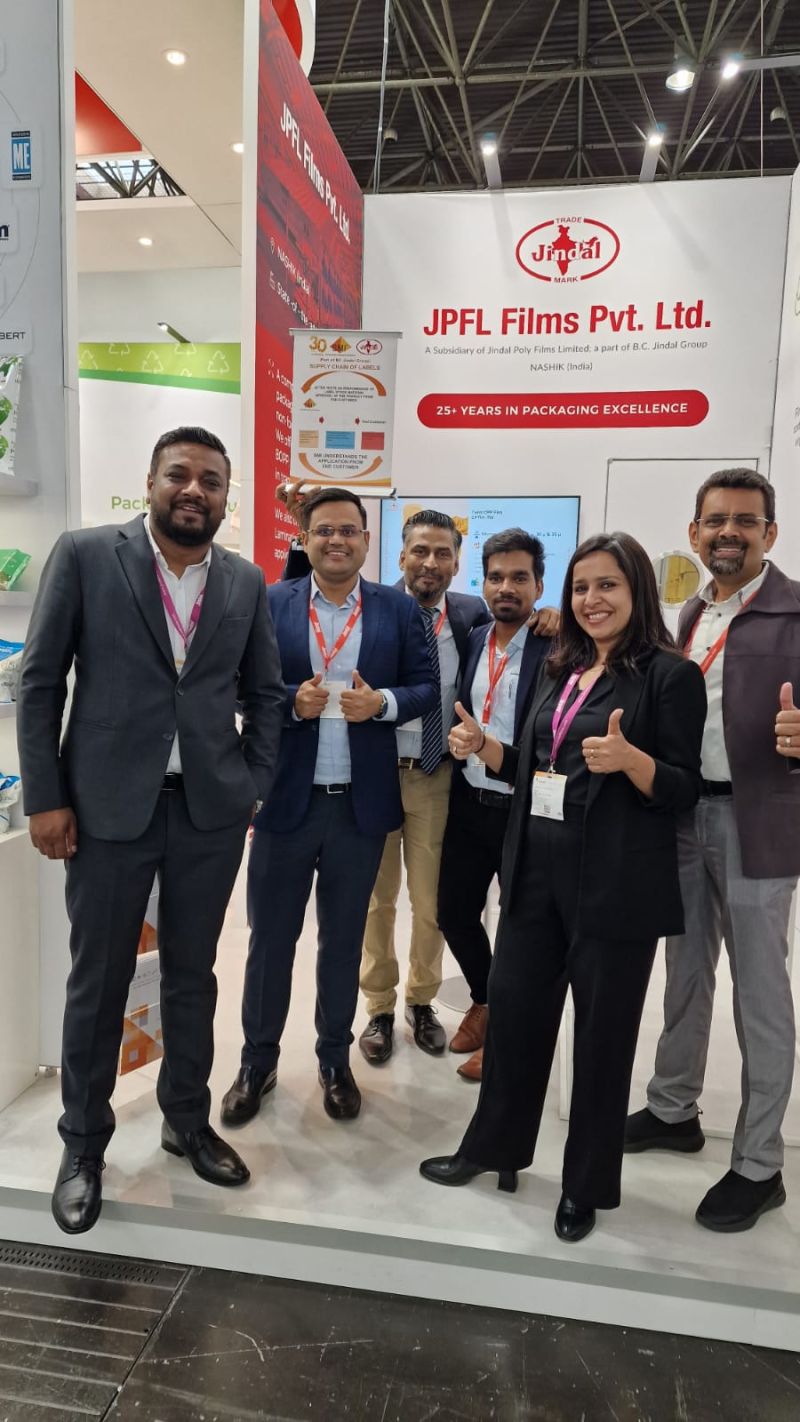
A slump sale of the packaging films business to its own subsidiary (JPFL Films),
Heavy capex of ₹1,500+ crore since FY19,
A fire at the Nashik subsidiary plant,
And auditors literally saying, “Boss, we can’t conclude the review yet.”
This is not a scam story. This is an industrial soap opera.
Question for you already: Do you judge manufacturing companies by one bad year… or by how they survive bad years?
3. Business Model – WTF Do They Even Do?
Imagine you remove all labels, wrappers, shiny foils, and protective layers from modern life. Congratulations, you’ve just destroyed half the FMCG, pharma, and consumer durable industries. That invisible hero is packaging films — and Jindal Poly Films is one of the biggest suppliers of that invisibility.
Packaging Films (79% of FY24 revenue)
This is the main beast:
BOPET
BOPP
CPP
Thermal, metalised, coated, capacitor films
These are used in food packaging, pharma blister packs, electrical insulation, labels, and industrial applications. In Aug 2022, Jindal Poly executed a slump sale of this entire business to JPFL Films for ~₹2,400