Benara Bearings & Pistons Ltd is not a stock; it is a case study in mechanical suffering. Incorporated in 1990, operating in auto and engine components, and currently trading at around ₹9–10, this company is what happens when pistons keep firing but profits never ignite. With a market cap of roughly ₹17.4 crore, sales of ₹10.9 crore, and a PAT loss of ₹27.5 crore, Benara looks like it’s manufacturing bearings primarily to grind shareholder wealth into fine metallic dust.
The latest half-yearly results (H1 FY25, standalone) show quarterly sales of ₹5.89 crore and a quarterly loss of ₹5.62 crore, which is not a typo but a lifestyle. ROCE stands at -26.1%, ROE at a jaw-dropping -512%, and book value has gone negative at ₹ -4.73. Debt is sitting at ₹62.2 crore, which is nearly four times the market cap — a rare achievement unlocked only by the bravest balance sheets.
In the last three months, the stock is down ~26.5%, in six months down ~39%, and over one year down ~57.6%. If stocks had emotions, this one would be in therapy. And yet, promoters hold ~69.9%, unpledged, staring into the abyss with monk-like calm. Curious how this story keeps running despite the engine knocking? Good. Let’s open the bonnet.
2. Introduction – A 35-Year Journey from Bearings to Burdens
Benara Bearings & Pistons Ltd was born in 1990, back when Indian auto ancillary companies were small, hopeful, and mostly profitable. The idea was simple: manufacture engine bearings, pistons, and related components for diesel engines and automobiles. The market existed, demand existed, and margins once existed too.
Fast forward three decades, and Benara is still manufacturing almost everything that goes into an engine — except shareholder returns.
The company is ISO 9001:2015 certified, has two manufacturing units in Agra, and an absurdly wide product portfolio that reads like an automobile spare parts catalogue thrown into a blender. From pistons to cylinder liners, crankshafts to batteries, solar products to metal powders — Benara doesn’t believe in focus; it believes in “sab kuch bana lenge”.
But here’s the problem: diversification without profitability is not strategy, it’s desperation. Over the last several years, Benara’s revenues have shrunk, expenses have ballooned, operating margins have turned deeply negative, and losses have become recurring guests who refuse to leave.
The net worth is now negative, auditors have raised flags, banks had to agree to a One-Time Settlement (OTS) of ₹30 crore against ₹51.38 crore outstanding, and still the company keeps operating. Why? Because manufacturing plants don’t shut down emotionally — they shut down financially. And Benara hasn’t reached that final chapter yet.
So is this a turnaround candidate, or just a slow-motion automotive crash? Let’s find out.
3. Business Model – WTF Do They Even Do?
Explaining Benara’s business model is like explaining a roadside mechanic’s shop that also sells solar panels.
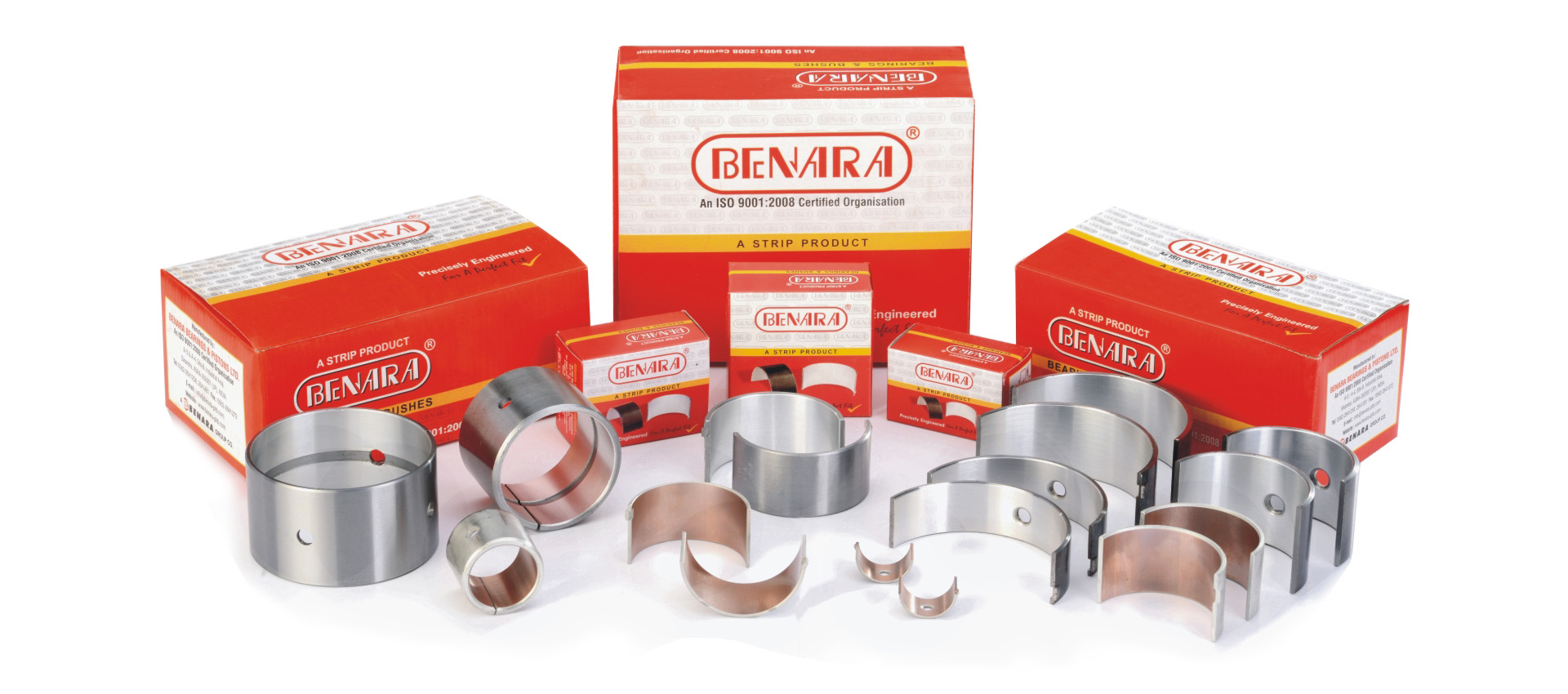
At its core, Benara manufactures aftermarket automotive and engine components, mainly for diesel engines and various automobile applications. These include:
Engine bearings and bushes
Pistons, piston pins, piston rings
Cylinder liners and sleeves
Air-cooled engine blocks
Engine valves and camshafts
So far, so good. This is a classic auto ancillary manufacturing setup.
But then Benara decides to go full Indian jugaad mode.
Apart from manufacturing, the company also markets and trades a laundry list of products: Ball bearings, spark plugs, rocker arms, timing chains, valve guides, crankshafts, connecting rods, valve seals, batteries (motorcycle, inverter, e-rickshaw, automotive), solar products, copper metal powders, and water pumps.
At this point, Benara is less of a focused manufacturer and more of a spare parts supermarket.