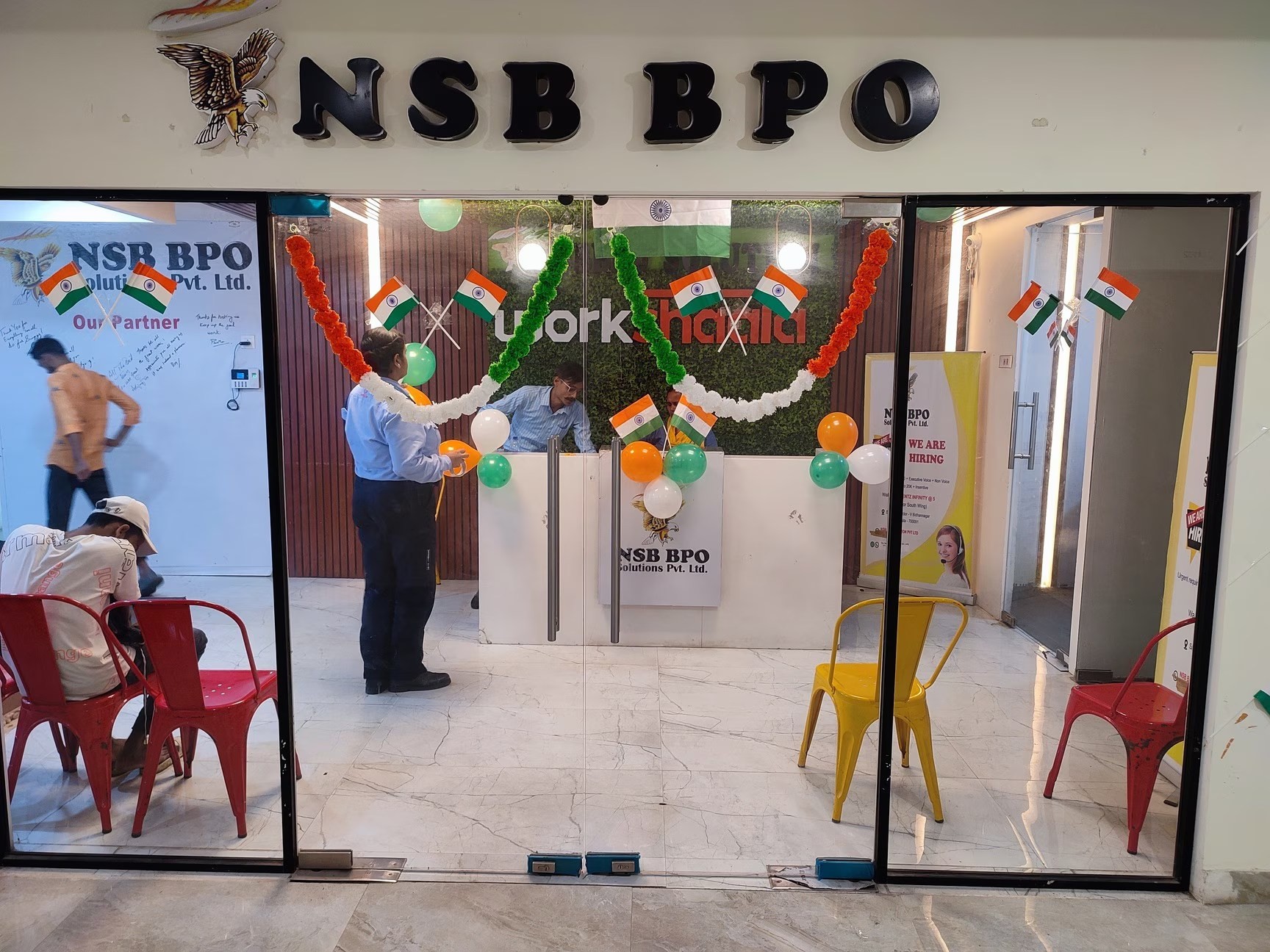
NSB BPO Solutions Ltd H1 FY26 – ₹72 Cr Revenue, ₹6 Cr PAT, 176 Debtor Days & a Call Centre That Also Sells Rice
1. At a Glance
NSB BPO Solutions Ltd is that rare Indian SME which wakes up in the morning as a call centre, eats lunch as a back-office outsourcing firm, and goes to sleep selling pulses, rice, sugar and vegetables to B2B customers. Listed in September 2025 after raising ₹74 crore, the company today sits at a market cap of ~₹182 crore, a stock price of ₹91, and a P/E of 15.6—which, by SME standards, is neither delusional nor dirt cheap, just awkwardly honest.
Latest numbers show quarterly sales of ₹71.7 crore and PAT of ₹5.79 crore, with profit growing faster than revenue—always a good sign, unless accounting tricks are involved (we’ll come to governance later, relax). Operating margins stand at 15%, ROCE at 10.2%, ROE at 9%, and debt-to-equity at a relatively polite 0.18. On paper, this looks like a stable, boring services company. But then you notice 176 debtor days, a working capital cycle that has ballooned like a wedding buffet, and a revenue mix that includes both tele-calling collections and trading FMCG staples.
Curious already? Good. Let’s open the files.
2. Introduction – Welcome to the BPO That Refuses to Stay in One Lane
Founded in 2005, NSB BPO Solutions Ltd has survived long enough to see the full lifecycle of Indian outsourcing—from cheap voice processes to AI buzzwords, from government helplines to food delivery support, and now… grocery trading. That alone tells you one thing: this management does not like sitting idle.
At its core, NSB BPO is a services-first company with a 21-year operating history, catering to telecom, BFSI, insurance, hospitality, healthcare, education, e-retail, food delivery, and government clients. That’s basically every sector that ever needed someone to pick up a phone and say, “Namaste, how can I help you?”
But NSB didn’t stop there. Somewhere along the journey, it decided to leverage its pan-India sourcing and logistics network to start B2B trading of FMCG and staples—pulses, rice, sugar, fruits, vegetables. Why? Because when you already have tele-callers, warehouses, and working capital lines, why not add dal-chawal to the mix?
The result is a company that looks simple from far away but becomes increasingly weird the closer you zoom in. Is that a bad thing? Not necessarily. Indian SMEs thrive on jugaad. The question is: is this jugaad disciplined or chaotic?
Let’s break it down.
3. Business Model – WTF Do They Even Do?
Imagine explaining NSB BPO to a lazy investor friend.
You’d say: “Bro, they run call centres, do back-office work, manage payrolls, and also sell rice.”
NSB BPO operates four major verticals:
Voice Call Centre Services
Inbound customer care, helplines, outbound sales, collections, feedback calls—the full tele-calling buffet. This alone contributes 53% of FY25 revenue, with call centre sales and customer helplines dominating the mix. Collections contribute only 5.5%, so this isn’t a hardcore recovery agency—more polite than threatening.
Back-Office Outsourcing
Document digitisation, KYC processing, onboarding, warehousing (yes, physical files still exist), email/chat/social support. Think of this as the silent cousin of voice BPO—less noise, more Excel.
Payroll Management
Recruitment, onboarding, attendance, payroll, compliance, attrition control—supported by the company’s in-house ERP called Chanakya. Because of course it’s called Chanakya.
FMCG & Staples Trading
This is the odd one. NSB books orders via tele-calling, procures pulses,