EPW India IPO Q2 FY26 – ₹32 Cr Fresh Issue, 188% Revenue Growth, 485% PAT Jump, Yet a Valuation That Makes You Raise One Eyebrow
1. At a Glance – Blink and You’ll Miss the Red Flags (and Green Ones Too)
EPW India Ltd. has entered the IPO party with a ₹31.81 crore book-built issue, flexing numbers that look like they drank three energy drinks before filing the RHP. A pre-IPO market cap of ₹111.35 crore, a price band of ₹95–₹97, and a business model that lives in the refurbished electronics bazaar — cheap laptops, Chromebooks, desktops, monitors, all cleaned, polished, and sold with a warranty smile.
The timing? Classic December IPO rush. The vibe? Aggressive. The numbers? Loud. FY25 revenue grew 188%, PAT jumped 485%, ROE is flashing a meme-worthy 139%, and debt-to-equity sits at a chunky 2.32x, like that one gym bro who skipped cardio.
Retail investors need to cough up ₹2.32 lakh minimum, which already filters out the casual chai-sutta crowd. Anchors pumped in ₹9.04 crore, promoters diluted from 100% to 71.43%, and the issue is purely fresh capital, meaning the company needs cash, not an exit.
So is this a scrappy tech refurbisher riding sustainability vibes, or just another SME IPO sprinting before the treadmill stops? Let’s open the RHP microscope 🔍.
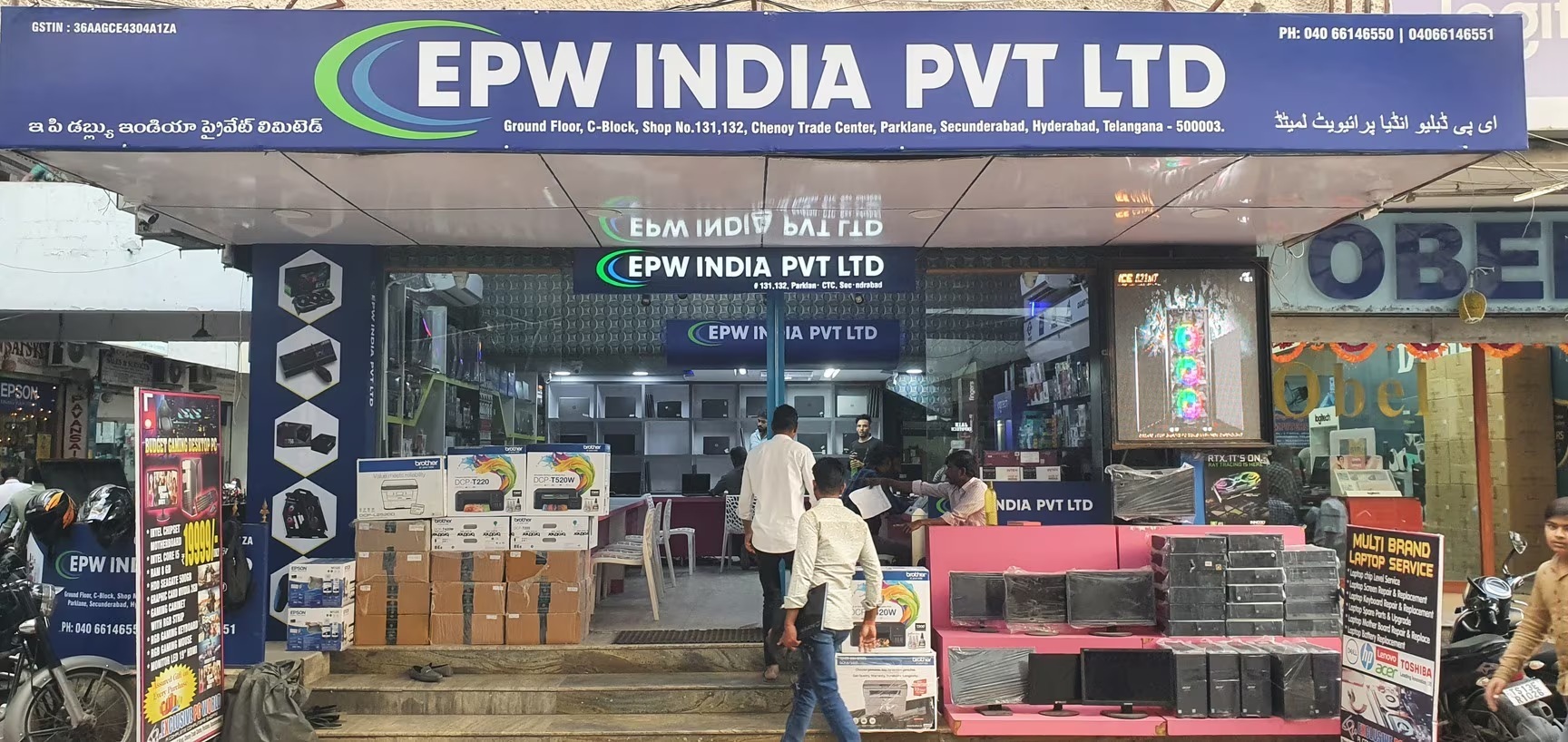
India loves jugaad. And refurbished electronics are basically jugaad with an invoice. EPW India sits neatly in this space — buying used laptops, desktops, Chromebooks, giving them a spa day (15–20 days of testing, cleaning, software installation), and reselling them to B2B clients and direct consumers.
The pitch is noble: affordable IT + sustainability. The execution? Still under trial. Until FY24, EPW India was a sleepy small business. Then FY25 happened and boom — revenue exploded, profits followed, ratios went parabolic, and suddenly we’re staring at ROE numbers that look photoshopped.
But seasoned IPO readers know one thing: sudden growth deserves applause, but also interrogation. Especially in a highly competitive, fragmented refurbishing market where margins are thin and differentiation is… mostly warranty PDFs.
This is not a SaaS fairy tale. This is hardware, inventory, working capital, and bank borrowings. And EPW India is asking public investors to believe that FY25 was not a one-hit wonder.
Ready to play detective? 🕵️♂️
3. Business Model – WTF Do They Even Do?
Imagine OLX, but with discipline. EPW India procures used IT equipment, refurbishes it in-house at a 4,500 sq. ft. facility, and sells it across B2B (45.20%) and B2C (54.29%) channels.
Products include:
Refurbished laptops & desktops
Chromebooks (yes, those pandemic leftovers)
Monitors & accessories
They employ 32 technicians, which means this is not automation-heavy Silicon Valley stuff — it’s labour, process, and inventory management.
Revenue flows are simple:
B2C: Higher margins, more volume risk
B2B: Lower margins, bulk stability
The refurbishing cycle takes 15–20 days, meaning cash is constantly locked in inventory. Which explains why a big chunk of IPO money is going towards working capital (₹15.85 crore) and debt repayment (₹8.50 crore).
No tech moat. No patent. No platform monopoly. Just execution. And in SMEs, execution either compounds… or combusts.
Would you trust refurbished gadgets with thin margins to scale profitably without choking on debt? 🤔
4. Financials Overview – Numbers That Scream, Whisper, and Side-Eye You
Result Type Locked: Latest available results include Half-Year ended 30 Sep 2025, so EPS is treated as HALF-YEARLY RESULTS. Annualised EPS = Latest EPS × 2