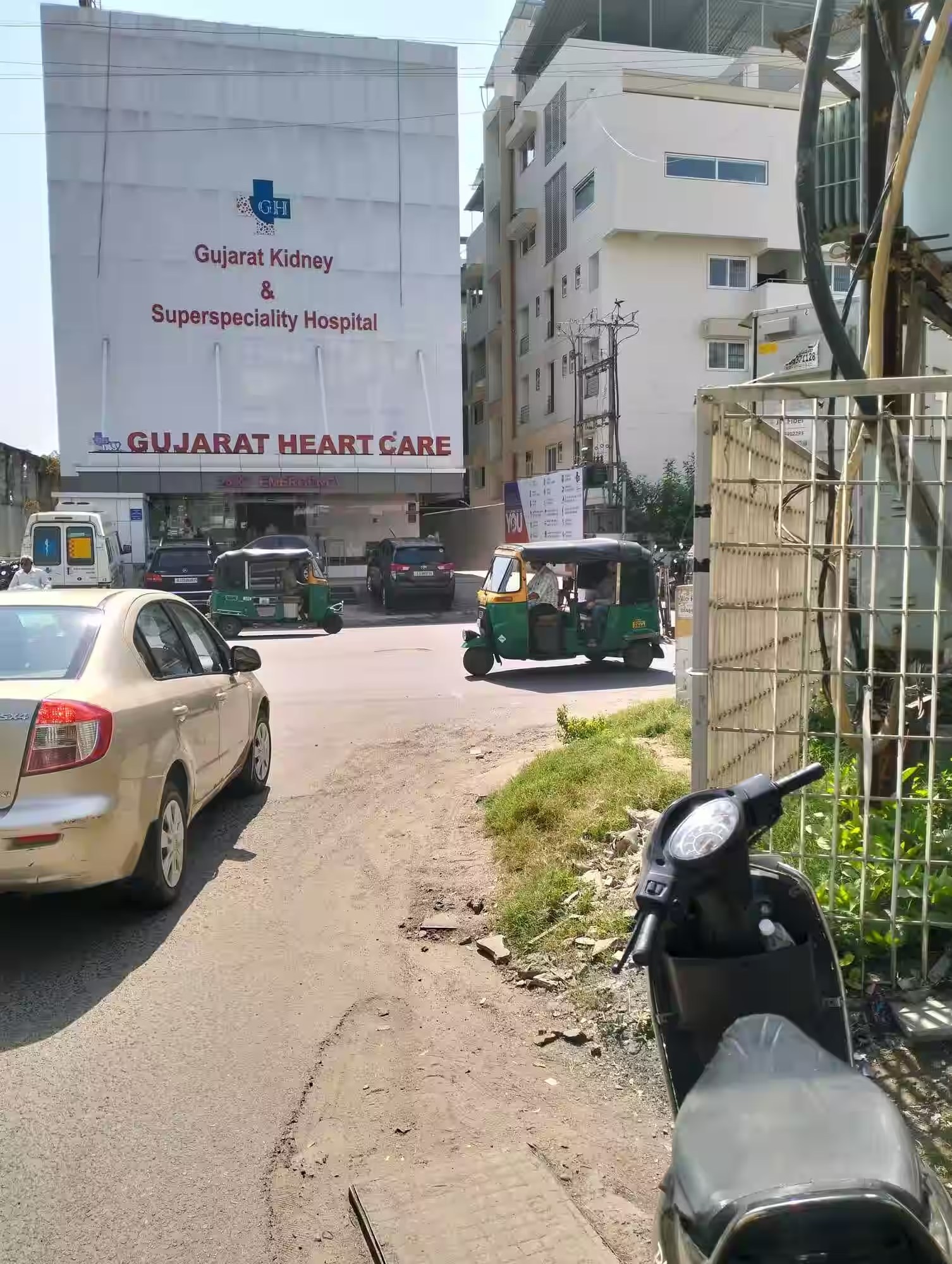
Gujarat Kidney & Super Speciality Ltd IPO FY26 – ₹250.8 Cr Fresh Issue, 454% PAT Explosion, 41% EBITDA Margin: Healthcare or Hyperbole?
1. At a Glance
Gujarat Kidney & Super Speciality Ltd just walked into Dalal Street like a confident doctor wearing a spotless coat, flashing numbers that make even veteran investors squint twice. A ₹250.8 crore fresh issue, a pre-IPO market cap of ₹898.81 crore, price band of ₹108–₹114, and margins that look like they came straight out of a fantasy novel rather than a hospital balance sheet. The company claims a 454% jump in PAT and a 637% surge in revenue in FY25, which is the kind of growth that makes bankers smile, auditors sweat, and investors whisper, “Bas itna hi chahiye life mein.” With ROE north of 36%, EBITDA margins at a juicy 41%, and promoters holding 99.1% pre-issue, Gujarat Kidney is clearly not coming quietly. But here’s the twist: healthcare is not software, kidneys are not SaaS, and hospitals don’t scale like apps. So is this a high-quality regional healthcare story or a case of numbers running faster than stretchers in an emergency ward? Let’s scrub in and dissect this patient properly.
2. Introduction
Welcome to the IPO that wants to convince you that hospitals can grow faster than meme stocks. Gujarat Kidney & Super Speciality Ltd, incorporated in 2019, operates a cluster of multispeciality hospitals in central Gujarat. Sounds boring? Wait till you see the margins. From almost zero revenue in FY23 to ₹40.40 crore in FY25, this company has gone from “OPD ka board bhi nahi laga” to “premium superspeciality chain” in record time.
The IPO opens on December 22, 2025, closes on December 24, 2025, and plans to list on both BSE and NSE on December 30, 2025. Entirely a fresh issue, meaning promoters are not cashing out (yet), and the company wants capital to acquire hospitals, buy robots (yes, surgical robots), and expand its footprint.
But let’s be honest. Indian healthcare IPOs come with their own baggage. Thin margins, doctor dependence, regulation risk, and expansion headaches. Gujarat Kidney says, “Hold my stethoscope.” With 7 hospitals, 4 pharmacies, 340 operational beds, and a kidney-focused brand recall in Gujarat, they are betting big on regional dominance. The question is simple: are these numbers sustainable, or is this just the honeymoon phase of aggressive consolidation?
3. Business Model – WTF Do They Even Do?
Imagine a hospital chain that doesn’t want to own too many buildings but still wants to print profits. That’s Gujarat Kidney’s asset-light model in a nutshell. The company operates multispeciality hospitals, focusing heavily on renal sciences and urology, while also offering secondary and tertiary care across orthopaedics, general surgery, obstetrics, cardiology (non-interventional), and trauma care.
They operate seven hospitals across Vadodara, Godhra, Bharuch, Anand, and Borsad, plus four pharmacies. Instead of splurging on land and buildings everywhere, they lease facilities, acquire existing hospitals, and focus on doctor talent and utilisation. As of June 30, 2025, they employed 89 doctors, 332 nurses, and 338 other staff. That’s a lot of white coats and even more payroll pressure.
The secret sauce? Kidney care. Dialysis, urology, and renal surgeries create repeat patients (unfortunately) and steady cash flows. Add super speciality surgeries and suddenly ARPU jumps faster than hospital bills after insurance rejection. The asset-light approach allows quicker scaling, but it also means lease rentals, integration risks, and dependency on star doctors. If a top urologist decides to move cities, half the OPD might follow. So yes, scalable, but not without drama.
4. Financials Overview
Let’s get to the numbers that made everyone choke on their morning chai. The latest official results are Quarterly Results, so EPS annualisation is locked accordingly.
Quarterly Financial Comparison (₹ crore)
Metric
Latest Qtr (Jun 2025)
Same Qtr LY
Prev Qtr
YoY %
QoQ %
Revenue
15.27
5.48
10.23*
178.6%
49.3%
EBITDA
8.63
1.95
7.92*
342.6%
8.9%
PAT
5.40
1.71
4.10*
215.8%
31.7%
EPS (₹)
0.69
0.22
0.52*
213.6%
32.7%
*Previous quarter numbers derived from FY25 full-year split as per restated data.
Annualised EPS = ₹0.69 × 4 = ₹2.76
Now tell me honestly—does this look like a sleepy hospital chain? Or does it look like a finance bro disguised as a doctor? Margins are sky-high, growth is explosive, and return ratios scream efficiency. But healthcare margins above 40% EBITDA are rare unless something very specific is happening. Are lease costs deferred? Are doctor payouts variable?