1. At a Glance
Kaira Can Company Ltd is that quiet uncle of Dalal Street who has been around since 1962, wears a crisp white shirt, pays dividends regularly, but absolutely refuses to grow at Instagram speed. With a market cap of about ₹139 crore and a current price hovering near ₹1,512, the stock has managed to confuse both growth investors and value investors equally. In the last three months, the stock is down roughly 8%, six months down ~17%, and one year return is also in negative territory. Yet, it trades at a P/E of about 35, which is ironic for a business that sells metal cans and sugar cones. The latest quarterly numbers (Q2 FY26) show revenue of ₹55.7 crore, PAT of ₹0.40 crore, and operating margins that look like they are on a diet. ROCE is under 6%, ROE is barely above 4%, and promoter holding sits at ~44.8% with about 23% pledged. The company is almost debt-free, dividend-paying, and boringly consistent — but the valuation screams excitement while the business whispers stability. So the real question is: are you paying for nostalgia, predictability, or just a very shiny tin can?
2. Introduction
Kaira Can Company Ltd is not a startup, not a turnaround story, and definitely not a “next big thing.” It is a classic example of a legacy manufacturing business that has survived wars, reforms, liberalisation, GST, and probably multiple generations of investors. Incorporated in 1962, Kaira Can has been making metal containers long before “packaging” became a fancy MBA word.
The company sits in a niche that sounds boring but is extremely essential. Milk, food, pickles, protein powders, aerosols — everything needs packaging. And in India, packaging is not about glamour, it’s about reliability. Kaira Can has built its business quietly, mostly around supplying cans to large dairy and food companies. In fact, one client alone — Gujarat Cooperative Milk Marketing Federation (yes, Amul) — contributes around 85–90% of revenue. That’s not diversification; that’s loyalty bordering on dependency.
Financially, the company has been stable but uninspiring. Revenues over the years have grown slowly, profits have been flat to declining, and margins have compressed. Yet the stock market, in its infinite wisdom, has assigned it a premium multiple. Why? Possibly because of low debt, consistent dividends, and the comfort of a predictable business. Or maybe because scarcity value works in weird ways in smallcaps.
As a funny auditor narrating this story, I can say one thing confidently: Kaira Can is not here to thrill you. It is here to survive, pay dividends, and test your patience.
3. Business Model – WTF Do They Even Do?
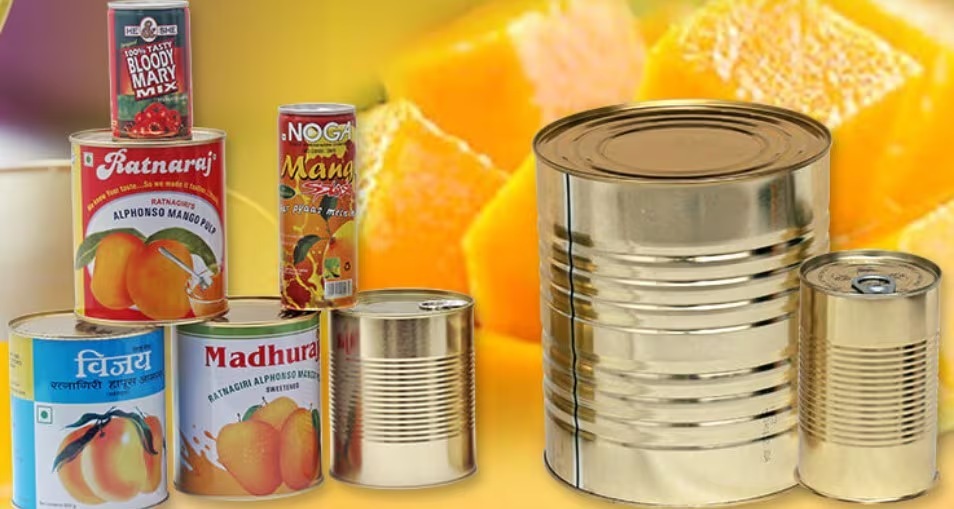
At its core, Kaira Can Company does exactly what its name says: it makes cans. Metal cans. Open Top Sanitary (OTS) cans, general line cans, lithographed containers, paint containers, and components. If you’ve ever opened a tin of milk powder, fruit pulp, or canned vegetables, there’s a decent chance Kaira Can had something to do with it.
The company’s main revenue comes from tin containers — roughly 94% of FY23 revenue. These are used by dairies, processed food companies, protein powder packers, and other FMCG manufacturers. The remaining ~6% comes from ice cream sugar cones, which the company manufactures at its Vithal Udyog Nagar facility in Gujarat. Yes, they literally make cones that ice cream sits on. Diversification, but the cutest kind.
Production-wise, the can manufacturing plant at Kanjari, Gujarat has an installed capacity of about 18,000 MT per annum. The ice cream cone division can produce up to 15 crore cones annually. The business is largely domestic, with exports contributing only around 2% of revenue.
The real kicker in the business model is client concentration. Kaira Can has been supplying to GCMMF since inception and meets almost all of its can requirements. This