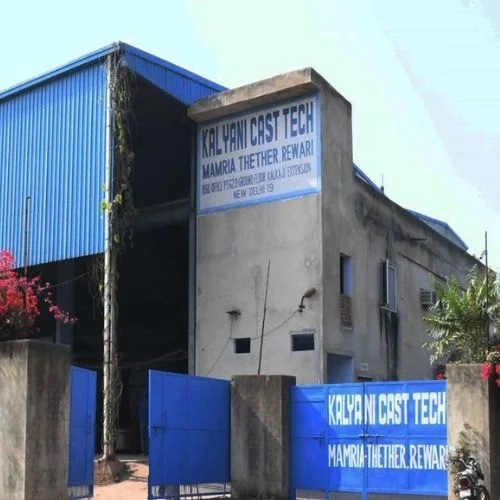
1. At a Glance – The Foundry That Accidentally Became a Market Darling
₹360 crore market cap. ₹501 stock price. Zero debt. ROCE flirting with 30%. PAT up nearly 34% YoY. Sounds like a small-cap dream, right? Now add this twist: promoters have been reducing their stake quarter after quarter, even while profits are rising and order books are swelling. Kalyani Cast-Tech Ltd is that kid in class who tops exams but quietly starts sitting on the last bench.
The company just clocked H1 FY26 revenue of ₹94.24 crore with a PAT of ₹9.5 crore, riding on strong demand for castings and specialised cargo containers. Quarterly sales growth of 31.6% and profit growth of 19% make the headline traders happy, while a stock P/E of ~22.8 keeps valuation bros arguing on Twitter. Add zero debt, a current ratio of 7.48 (basically cash-rich aunty vibes), and ROE north of 24%, and suddenly everyone wants to know: is this a clean compounding story… or just a hot SME phase?
Before you answer that, remember this is a BSE-SME listed manufacturing company that went public barely a year ago, raised ₹30 crore, grabbed orders faster than a government tender season, and is now talking about ₹170–200 crore capex. Curious? You should be.
2. Introduction – From Foundry Smoke to Balance Sheet Shine
Kalyani Cast-Tech Ltd was incorporated in 2012, which means it has survived demonetisation, GST rollout, COVID lockdowns, supply chain chaos, and the great SME IPO boom without losing its casting moulds. That alone deserves mild respect.
At its core, this company manufactures high-quality castings and specialised cargo containers. In simple terms: heavy, boring, industrial stuff that Instagram influencers don’t post about—but railways, cement plants, and logistics companies desperately need.
What makes Kalyani Cast-Tech interesting is timing. For years, Indian manufacturing companies quietly existed in the shadows, supplying parts, making thin margins, and praying raw material prices behaved. Post-2020, things flipped. Infrastructure spending rose, railways modernised, container demand surged, and suddenly foundries became “strategic”.
Kalyani rode that wave nicely. Revenues jumped from ₹63 crore in FY23 to ₹94 crore in FY24 and then to ₹139 crore in FY25. Profits followed suit, growing at a 5-year CAGR of nearly 197%. That’s not a typo—that’s what happens when a small base meets operating leverage.
But here’s the real question: Is this a one-cycle wonder, or has Kalyani built something structurally durable? Let’s put on our funny auditor glasses and dig in.
3. Business Model – WTF Do They Even Do?
Imagine Indian Railways, but instead of trains, focus on the metal chunks that keep those trains from falling apart. That’s where Kalyani Cast-Tech lives.
The company operates two major sections at its Rewari, Haryana facility:
- Foundry Section – where steel and iron castings are produced
- Container Manufacturing Section – where ISO containers and specialised cargo containers are fabricated
Their product portfolio reads like a railway workshop inventory list: dwarf containers, MG coupler components, CI brake blocks, bearing housings, adapter components for WDG4 locomotives, corner castings, motor hubs, side buffer plungers—you name it, they probably cast it.
Customers include Indian Railways, mining companies, cement players, fertiliser plants, chemical companies, and power utilities. In other words, sectors that don’t disappear overnight just because