Sayaji Industries Ltd H1 FY26: Revenue ₹239 Cr, PAT -₹9.11 Cr, ROE -40.9% – When Starch Turns Sour
1. At a Glance
Sayaji Industries Ltd, the 80-year-old maize wizard of Ahmedabad, seems to have had a rather bitter H1 FY26. Market cap sits at a modest ₹167 crore, and the stock flirts at ₹66, down 12% in the past three months. With a negative PAT of ₹9.11 crore and an EPS of -₹7.63, the company’s ROE is doing somersaults at -40.9%, while ROCE isn’t much better at -8.46%. Revenue clocks in at ₹239 crore for the quarter, showing a 15.9% rise YoY—but the profit picture? Let’s just say it looks like someone accidentally swapped sugar for salt. Debt is high at ₹261 crore, and the interest coverage ratio is a comical -0.31x, making the finance team’s coffee breaks longer than their earnings coverage. The stock trades at a P/B of 2.11 and EV/EBITDA at a jaw-dropping 32.8x, which might make a value investor spit out their chai.
2. Introduction
Picture this: a company that has been milling maize since 1941, turning kernels into starch, glucose, and sorbitol, now staring at red numbers while debt sits like an unwelcome guest at a wedding. Sayaji Industries, the pride of Kathwada’s industrial belt, produces maize starch derivatives for industries from textiles to confectionery. Yet, despite a 16% increase in quarterly revenue, the profit line refuses to cooperate.
The stock is trading at ₹66, nearly 36% below its 52-week high of ₹103, and the market seems to have collectively decided that it’s better to sip chai than bet on starch. Negative earnings, high leverage, and a cash conversion cycle that dances between -14 and -33 days make the financials feel like a magic trick gone wrong. Meanwhile, the company is also dabbling in spray-dried food powders—because why not diversify into tomato powder when your balance sheet is already spicy?
So, buckle up. This isn’t your usual “steady FMCG growth” story. This is maize, money, and mayhem.
3. Business Model – WTF Do They Even Do?
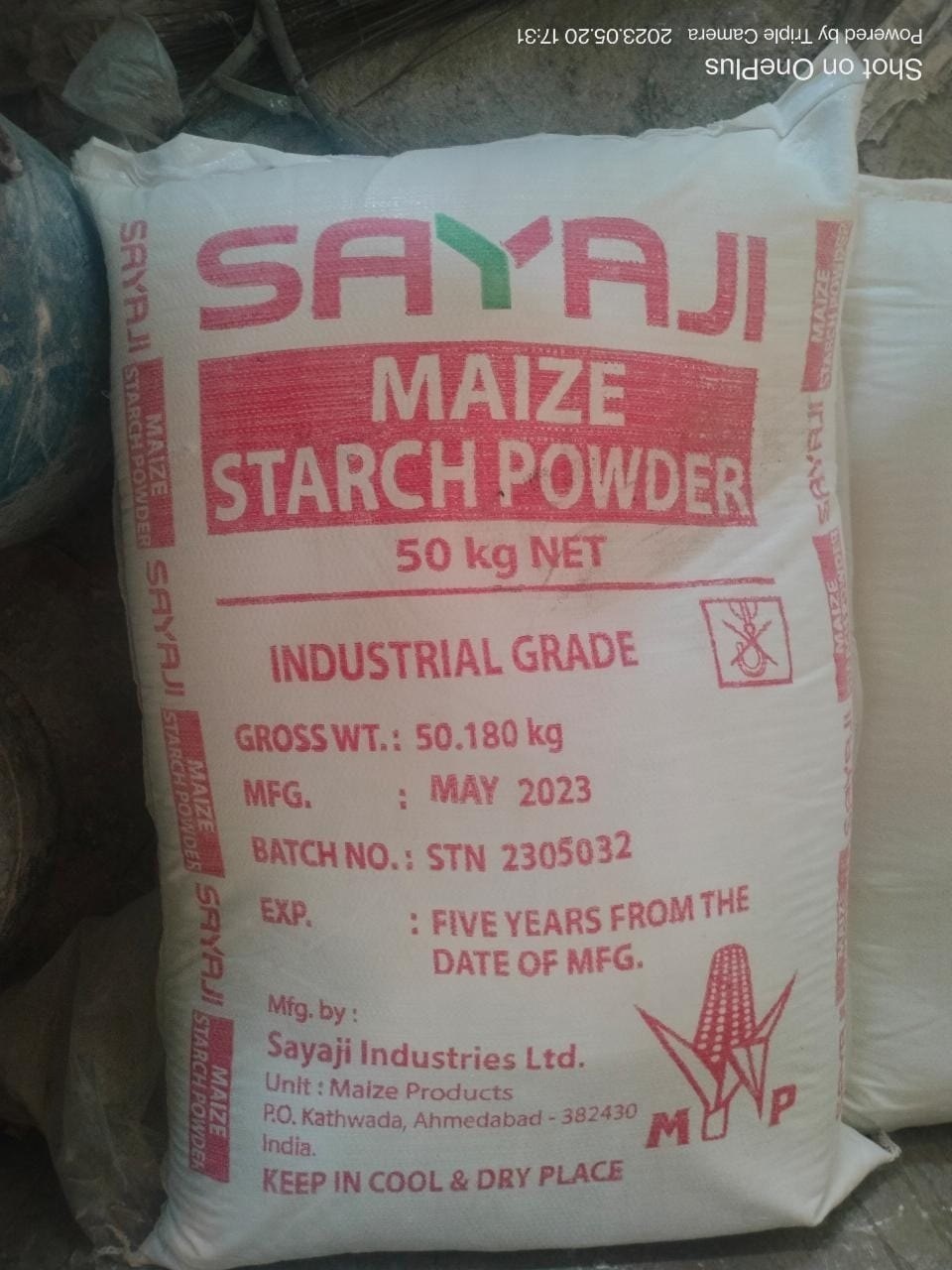
At its core, Sayaji Industries is a maize alchemist. They grind maize, extract starch, and produce a host of derivatives: liquid glucose, dextrose monohydrate, anhydrous dextrose, sorbitol, and a by-product buffet including maize gluten, corn steep liquor, and maize oil. Think of it as a corn-based chemical carnival where every kernel has a destiny.
Their products don’t sit in a single industry; they creep into textiles for sizing, paper for coating, food for sweetening, pharmaceuticals for excipients, soaps and detergents, cosmetics, poultry feed, and even paint. It’s like if a maize kernel had LinkedIn, it’d be networking across 12 industries at once.
Recently, the company added spray-dried powders—tomato, other vegetables, fruit powders, and non-dairy creamers. Diversification or desperation? Depends on whether you like your tomato powder with a side of debt interest. Production capacity stands at 850 TPD for maize, soon to hit 1,000 TPD post capex. They even generate their own power, 50-60% in-house from coal and gas, which is probably the only thing running efficiently.
Ever wondered what the difference between an old-school starch producer and a modern food powder manufacturer is? One turns maize into glucose; the other tries to turn cash crunch into culinary art.
4. Financials Overview
We’ll lock the type at Quarterly Results H1 FY26 and focus on the latest standalone numbers. Annualised EPS for comparison purposes is tricky here, but let’s calculate from the quarterly EPS.
Metric
Latest Qtr (Sep 2025)
YoY Qtr (Sep 2024)
Prev Qtr (Jun 2025)
YoY %
QoQ %
Revenue
239.26
206.37
248.88
15.94%
-3.86%
EBITDA
-2.81
-18.53
2.18
84.86%
-229.36%
PAT
-9.11
-0.44
-3.68
-1970%
-147.57%
EPS (₹)
-3.60
-0.17
-1.45
-2029%
-148.28%
Witty commentary: Revenue is up, but profits are down like that one uncle who invests in “sure-shot stocks” every Diwali. YoY growth of revenue is decent, but PAT is a horror show—almost a 20x dive! It’s like the company sold more corn but somehow ended up owing more money.
5. Valuation Discussion – Fair Value Range
Methodology: P/E, EV/EBITDA, DCF (educational purposes only, not financial advice).
P/E Method: Industry P/E ~20x. If EPS is negative, traditional P/E is meaningless. Use past 3-year average EPS ~-4.5.
EV/EBITDA: EV = ₹427 Cr, EBITDA last quarter = -₹2.81 Cr. Negative EBITDA, again, no meaningful ratio.
DCF: Cash flows are negative for H1 FY26, so intrinsic valuation is highly uncertain.
Fair Value Range: For educational purposes only, given the negative earnings, traditional metrics fail. Investors should consider cash flows, debt levels, and industrial capacity rather than relying on multiples.