Northern Spirits Ltd Q2 FY26 – Whisky, Wine, and Worry Lines: ₹563 Cr Sales, ₹7.59 Cr PAT, and 44.8% Promoter Pledge Drama Served Neat
1. At a Glance
Ah, Northern Spirits Ltd — a company that deals in fine alcohol but gives its shareholders more hangovers than their own inventory. As of December 2025, the stock sits at ₹159, down over 32% in a year, with a market cap of ₹255 crore. The company’s FY25 sales were a boozy ₹2,091 crore, and profit after tax (PAT) stood at ₹26.3 crore, which means a modest net margin of 1.26%. Despite the low margins, the ROE of 20.6% and ROCE of 17.7% show that this distributor knows how to squeeze profits from thin pours.
The stock trades at a P/E of just 9.69, way below the industry average of 33.8, which might look cheap — until you notice that 44.8% of promoter shares are pledged. The company’s debt stands at ₹203 crore, giving it a debt-to-equity ratio of 1.48, making it more “on the rocks” than a neat single malt.
In the latest quarter (Sep 2025), Northern Spirits reported sales of ₹562.68 crore and PAT of ₹7.59 crore, up 35.5% YoY. Impressive? Maybe. But with margins of barely 2.43%, this cocktail is heavy on sales volume, light on earnings intoxication.
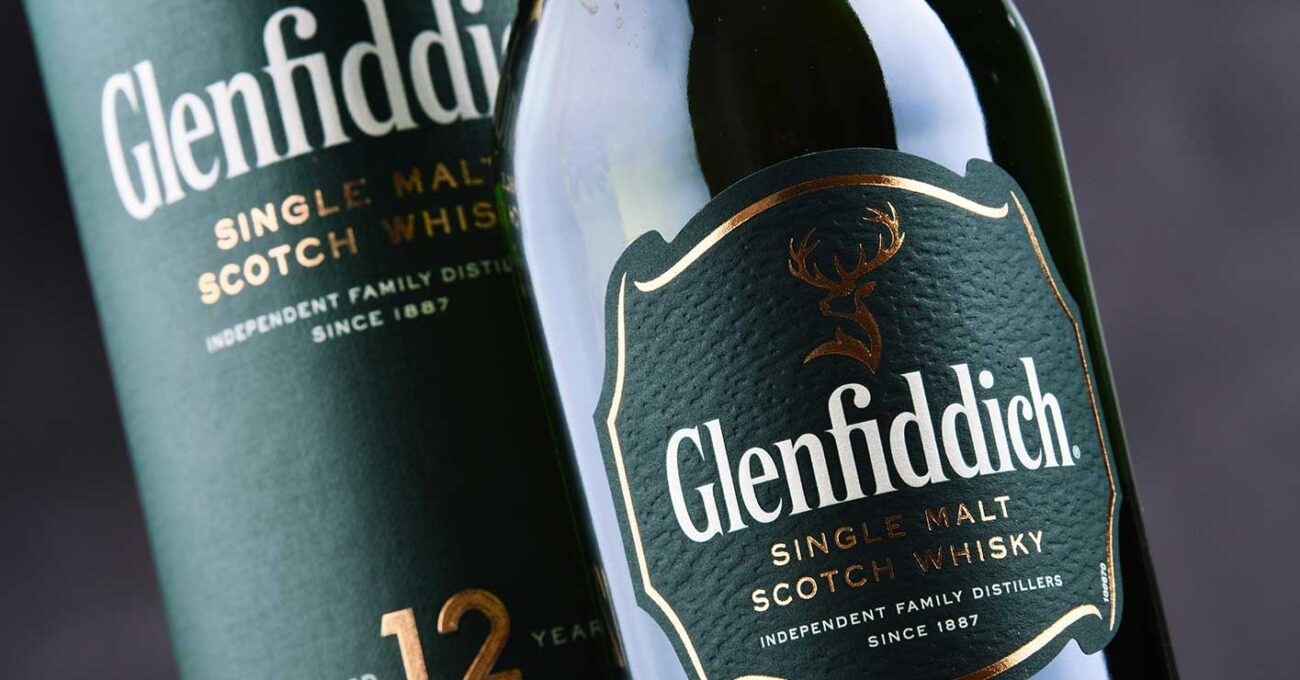
Still, for a company importing and distributing premium brands like Glenfiddich, Hendrick’s Gin, and Grey Goose, it’s a tale of high-end bottles but low-end profits — a story fit for a bar counter and a balance sheet.
2. Introduction
Imagine importing Grey Goose but flying coach to save on costs — that’s Northern Spirits Ltd (NSL) in a nutshell. Incorporated in 2012, the company has built an empire of alcohol distribution across North, East, and Northeast India, serving everyone from The Oberoi to Taj Hotels, and likely half of Gurgaon’s weekend warriors.
With a customer list longer than a Friday night bar tab and exclusive distribution deals with giants like Pernod Ricard, Bacardi, William Grants, and Campari, NSL isn’t some shady corner-shop distributor. It’s the designated supplier for India’s top hotels and liquor chains. But even with this glam clientele, its balance sheet behaves like an over-served bartender — always juggling between profit, debt, and pledges.
The company’s revenue has grown 31.8% last year, while profit grew 22.7%, suggesting that while India drinks more, NSL earns less per peg. The operating margin of 2.61% barely pays for ice. But credit where due — this company has gone from ₹1 crore in FY14 to ₹2,091 crore in FY25 sales. That’s a 2000x journey, proving Indians can say “cheers” faster than corporate profits can catch up.
Still, investors might ask: what’s more intoxicating — its glamorous brand lineup or the 45% promoter pledge? Grab a peg, we’re just getting started.
3. Business Model – WTF Do They Even Do?
So, what does Northern Spirits actually do — besides making every party in Kolkata, Delhi, and Guwahati possible?
NSL is essentially a distribution powerhouse for imported and domestic liquor brands. It doesn’t make whisky or brew beer. It imports, warehouses, and distributes premium spirits and wines. In the alcohol industry, this role is critical but often low-margin — the middleman between global liquor giants and India’s retail and hospitality ecosystem.
Their product portfolio includes world-class brands like Glenfiddich Single Malt, Balvenie, Hendrick’s Gin, Monkey Shoulder, Grey Goose, and Camino Tequila — basically everything that makes a corporate party tolerable.
They categorize their portfolio into five brand classes under their “House of Brands” model:
Strategic International Brands – the big guns (Glenfiddich, Grey Goose, Bacardi)
Specialty Brands – niche, high-end labels
Strategic Local Brands – homegrown or India-specific tie-ups
Wine Brands – imported fine wines
Prestige Brands – limited editions for the high-rollers
The company’s distribution muscle covers Bengal, Rajasthan, Haryana, Uttar Pradesh, and the Northeast, where they hold exclusive rights for multiple global liquor makers. In West Bengal alone, they’ve taken over three government liquor depots, supplying over 1,000 retail outlets.
In short: they don’t make booze — they make sure you get it.
4. Financials Overview
Let’s pour the numbers straight. (All figures in ₹ crore)
Source table
Metric
Sep 2025 (Latest Qtr)
Sep 2024 (YoY)
Jun 2025 (QoQ)
YoY %
QoQ %
Revenue
562.68
487.41
534.12
15.4%
5.3%
EBITDA
13.69
9.41
13.52
45.5%
1.3%
PAT
7.59
5.60
7.38
35.5%
2.8%
EPS (₹)
4.73
3.49
4.60
35.5%
2.8%
Witty Commentary: That’s a decent quarterly buzz — sales up, profits up, and EPS up. But the operating margin (2.43%) suggests the company earns just ₹2.43 for every ₹100 bottle sold. For a firm that moves Grey Goose, it’s barely making Old Monk-level profits.
5. Valuation Discussion – Fair Value Range
Step 1: P/E Approach EPS (TTM) = ₹16.4 Industry P/E = 33.8 Company P/E = 9.69
If valued at industry average: Fair Price = 16.4 × 33.8 = ₹554
If valued conservatively (low-end distribution business): Fair Price = 16.4 × 12 = ₹197