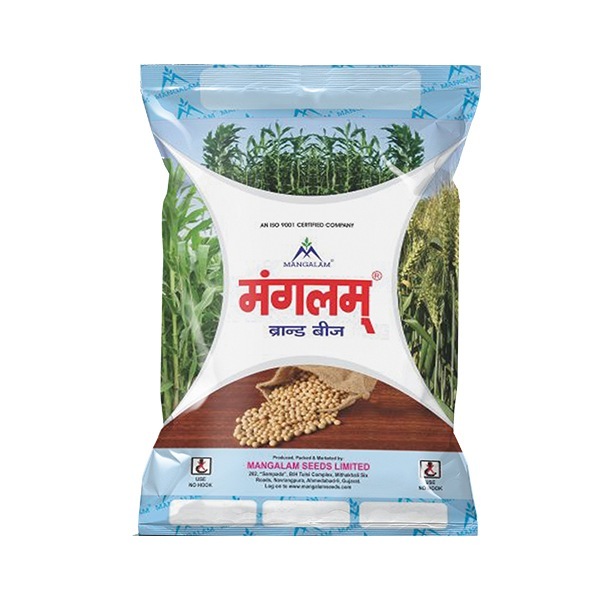
Mangalam Seeds Ltd (BSE: 539275) — the Gujarati seed specialist that claims to make even barren land look productive — clocked a market cap of ₹165 crore and a current price of ₹150 as of December 9, 2025. But behind that humble ₹150 tag lies a hybrid saga of innovation, rural sweat, and a bit of fiscal fertilizer. The Q2 FY2025 results were a curious mix: Revenue at ₹18.3 crore (down 16.6% QoQ) and PAT at ₹1.78 crore (up 8.5% QoQ). Somehow, margins managed to survive even as monsoons and sales both played truant.
The company’s P/E sits at 15.8, comfortably below the industry average of 20.4, while ROE is 13.8% and ROCE at 12.2% — respectable, if not dazzling. Debt stands at ₹57.6 crore, giving a debt-to-equity of 0.67, which means they borrow responsibly (like a farmer borrowing for seeds, not SUVs). Despite no dividends and a return of -28.5% YoY, the company has still grown profits at a 22% CAGR over 5 years, which proves that the only thing hybrid here isn’t just the seeds — it’s the management’s mix of patience and hustle.
2. Introduction – A Field Day for the Patient Investor
Agriculture is the ultimate startup — no app, no algorithm, just pure execution risk and climate dependency. Mangalam Seeds Ltd (MSL), born in 2011, decided to play God for farmers by creating hybrid and GM seeds that can withstand diseases, droughts, and sometimes even government policies. From maize to mustard, the company has managed to turn photosynthesis into profits.
Yet, as every farmer knows — one bad season, and your Excel projections go up in smoke. In FY2025, MSL is in that tricky patch: the product portfolio is expanding, but growth looks patchy. Revenues are slipping, but the operating margin (22.3% this quarter) suggests a tight grip on costs.
In short: Mangalam is that kid who doesn’t top every exam but scores 90 in all the tough subjects. The company’s innovation track record is impressive, from the new mustard hybrid Mangalam-1881 to the curiously named “YoYo Grass”, proving even fodder can sound like a dance move.
So, the question isn’t whether Mangalam can grow crops — it’s whether it can grow its profits faster than weeds.
3. Business Model – WTF Do They Even Do?
Mangalam Seeds is what happens when biotechnology meets Gujarati entrepreneurship. Their business revolves around production, processing, and marketing of hybrid and genetically modified (GM) seeds — especially for crops that can handle India’s climate mood swings.
The company’s core product lines include:
Maize hybrids (Arpita, Vanraj — sounds like a Bollywood cast)
Pearl Millet hybrids (Manglam 252, MSC 5240, Eklavya)
Castor hybrids (Marcella, Lomax, MSC 55 — you’d think these were perfumes)
Fodder varieties like YoYo Grass and Mahagrass, ideal for dairy farmers
Vegetable seeds like spinach, cucumber, and okra under branded names like Palma and Niharika
Their customer network is impressive — 500+ distributors, 1200+ dealers, across Gujarat and Rajasthan. The company essentially runs a rural franchise model — they produce the seeds, distributors sow the market, and the farmers reap the results.
Mangalam doesn’t just sell seeds; it sells hope in 1kg packets, stamped with science and marketing swagger.
Commentary: If you ever needed a case study in agricultural seasonality — this is it. Revenues dropped by 63% QoQ (ouch), but PAT grew 8.5% YoY (small miracle). That’s like losing half your crops but still hosting a harvest party.
Margins remain surprisingly resilient thanks to efficient cost control and likely better product mix. EPS of ₹1.62 this quarter gives an annualized EPS of ₹6.48, implying a P/E of 23.1x on that basis. But using TTM EPS of ₹9.46 gives a P/E of 15.8x, which is more realistic.