1. At a Glance
When your business revolves around “cans,” you better make sure profits don’t get crushed. Sadly, Hindustan Tin Works Ltd (HTWL) — the OG tin can titan from 1958 — just had one of those dented quarters. The stock currently trades at ₹124, down 41% in a year (even Amul tins might’ve aged better). With a market cap of ₹129 crore, P/E of 11.7, and Book Value of ₹210, it’s cheaper than the paint in one of its own cans.
For the September 2025 quarter, sales stood at ₹116.92 crore (up 6.6% YoY), but profit after tax collapsed 58% YoY to ₹1.73 crore. The Operating Margin of 5.85% looks like a diet version of its former self (down from 8.72% a year ago). Debt remains steady at ₹90.8 crore, and ROE limps at 5.88%.
The good news? It’s still the go-to supplier for biggies like Amul, Nestle, Reckitt Benckiser, Haldiram, and Patanjali. The bad news? Their cans might be filled faster than their profit margins recover. But hey — when your stock trades at 0.58x book value, value investors start sniffing around like hungry college kids in front of a Bikanerwala tin.
2. Introduction
Once upon a time, the tin was mightier than the plastic. Hindustan Tin Works Ltd, born in 1958, was the nation’s pride in packaging before Tupperware and PET bottles crashed the party. Today, this company is trying to stay relevant in a world obsessed with recyclability, sustainability, and looking Instagram-aesthetic while doing both.
HTWL manufactures everything from food cans and baby food tins to aerosol containers and decorative cookie boxes — the kind you keep long after the cookies are gone. Its clients read like a grocery store shopping list of brand royalty: Nestle, Amul, Del Monte, Patanjali, and Reckitt Benckiser. Basically, if you’ve opened a can of anything edible or toxic in India, chances are these folks had something to do with it.
Yet, the recent financial results tell a story of a metal warrior facing plastic demons. Margins have shrunk, profits dipped, and exports slowed as shipping costs and input metal prices played kabaddi with operating profits. The company’s ongoing export-focused expansion in Sonepat may bring some fizz back — if it doesn’t get stuck in the debt tin.
Will the tin man of Indian packaging shine again, or will it rust under competition? Let’s open the lid.
3. Business Model – WTF Do They Even Do?
In simple terms — Hindustan Tin Works makes the shiny metal boxes your pickles, paints, and protein powders come in. Think of them as the middlemen between the food that needs saving and consumers who love convenience.
Here’s their core spread:
- Metal Cans (85% of revenue): General line cans, beverage cans, open-top sanitary cans (for food), paint tins, decorative and re-closable cans. If it’s round and holds something valuable (or smelly), they probably make it.
- Metal Closures: Fancy lids like Penny Lever Lids, Stackable Ends, Paint Closures, and Bottom Ends. Basically, these are the accessories that keep your tomato puree from exploding mid-shipment.
- Printed & Lacquered Sheets: The colorful metal sheets that make brands like Del Monte and Haldiram look premium.
- Trading in Tin Plates (~8%): A minor side hustle — like a YouTuber’s merch line.
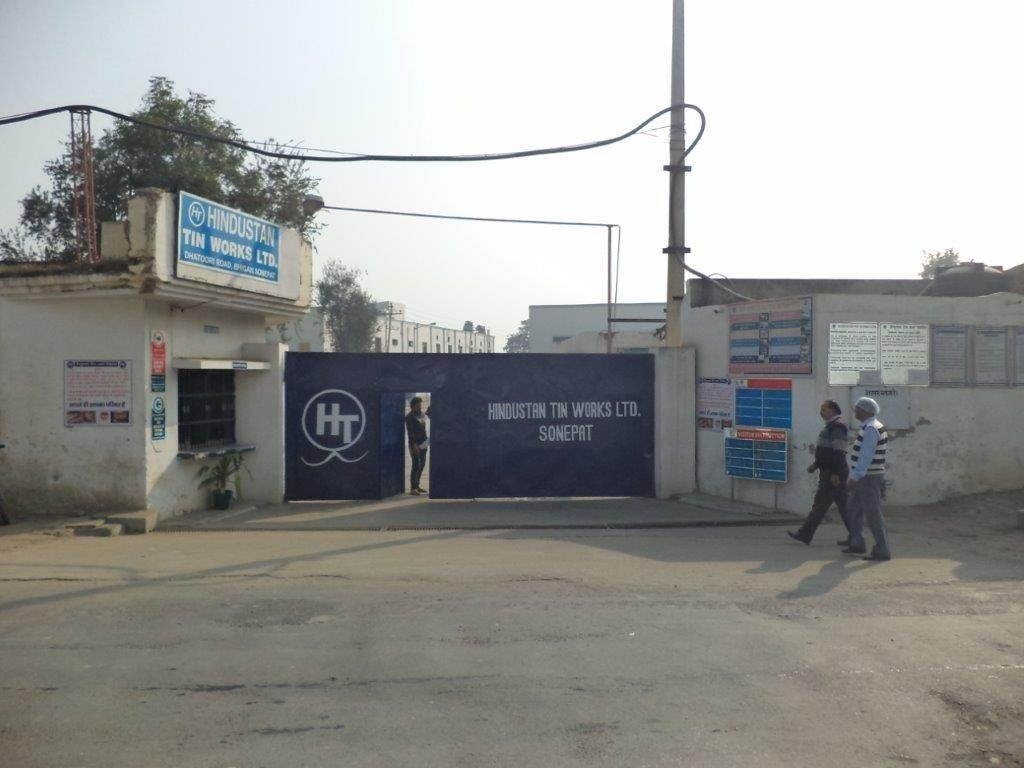
Their manufacturing plant in Sonepat, Haryana, churns out 260 million units annually. That’s more cans than India has excuses for inflation.
The company also exports to Africa, Europe, Australia, the Middle East, and the USA, proving that Indian metal is still hot property abroad.
So yes, they make cans — but with precision, flair, and a client list that can fill a supermarket shelf.
4. Financials Overview
Quarterly Results (Figures in