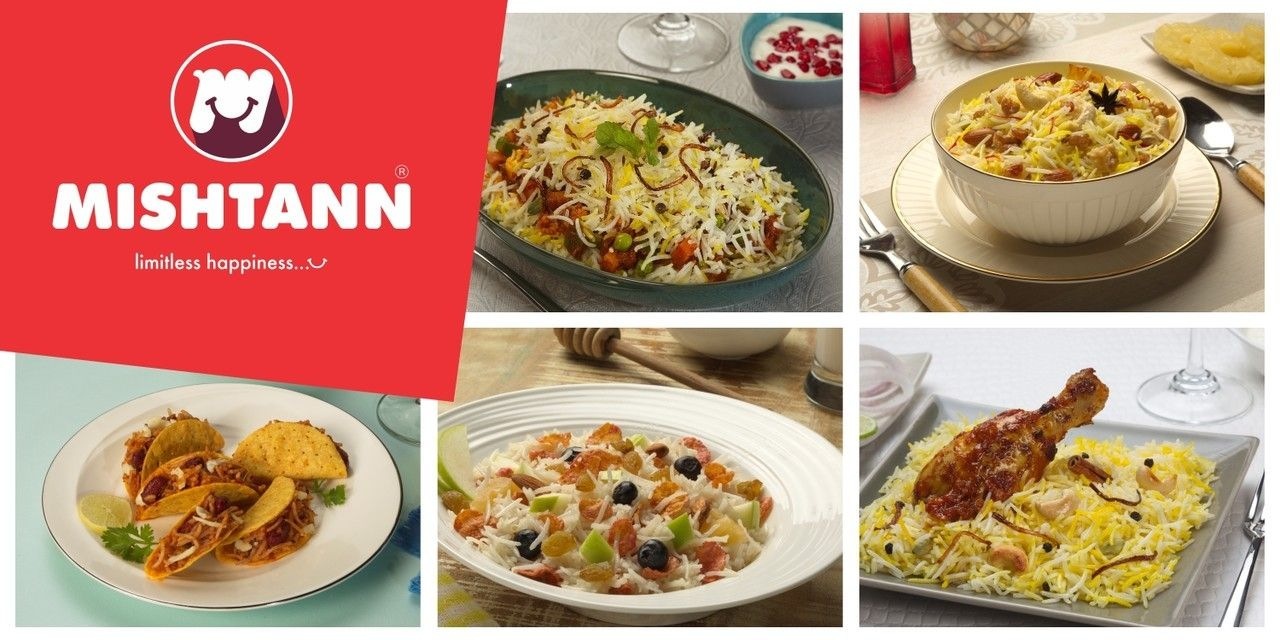
Mishtann Foods Ltd H1 FY26 – The Basmati Bonanza That Turned Into a SEBI Saga
1. At a Glance
Mishtann Foods Ltd — the rice-to-salt empire that turned into Gujarat’s favorite dinner-table stock story — is currently trading at ₹4.79 with a market cap of ₹516 crore. It looks like a FMCG underdog but behaves like a meme stock on chai. Over the last year, it has fallen 66%, turning optimistic investors into philosophers. With a P/E of just 1.52, ROE of 44.1%, and ROCE of 42.2%, the numbers look juicier than their premium 1121 basmati, except SEBI’s recent order suggests the rice may have a few stones. The company reported a Q2 FY26 revenue of ₹386 crore and PAT of ₹95 crore, translating to an operating margin of 25%. But before you drool over those margins, note that SEBI thinks some of them might be imaginary.
In short — Mishtann is either an undervalued FMCG rocket waiting for takeoff or a masterclass in “PowerPoint profit.” Either way, it’s entertainment.
2. Introduction
Imagine a Gujarati rice trader who didn’t just stop at selling grains but decided to package ambition, controversy, and humor into a single BSE listing. Mishtann Foods Ltd, founded in 1981, started humbly in the rice-processing business and evolved into a multi-product player dealing in rice, salt, and now a small dose of SEBI drama.
From aged 1121 basmati to Himalayan pink salt, the company’s portfolio reads like an Indian pantry wishlist. Its revenues grew by 158% between FY22 and FY24, powered by aggressive expansion, new product lines, and perhaps a sprinkle of “creative accounting,” if SEBI’s interim order is anything to go by.
With brand names like Snowflake, Pristino, and Rozana, Mishtann could easily double as a cosmetics company. The humor, however, fades when you see trade receivables forming 97% of total assets — meaning almost all the rice is sitting in someone else’s godown, unpaid.
Still, you can’t deny that Mishtann has pulled off what many startups dream of — rapid scale, global aspirations, and a marketing network spanning over 100,000 retailers across 10 states. If only the auditors were equally convinced.
3. Business Model – WTF Do They Even Do?
Mishtann’s business model is basically “grain in, brand out.” It’s divided into four simple stages — Sourcing, Processing, Packaging, and Marketing — each executed with Gujarati precision and a side of audacity.
Sourcing: The company buys rice and wheat from farmers and mandis using a cash-and-carry model. About 80–85% of procurement is bank-financed, which sounds smart — until you realize banks lend, customers don’t always pay, and receivables touch 97% of assets.
Processing: At its 45 MT/hour fully automated plant in Himatnagar, Mishtann polishes, processes, and parboils ambition into export-grade basmati.
Packaging: Mishtann believes in size diversity — from 50 kg bags for wholesalers to 500 g pouches of salt for your mom’s kitchen.
Marketing: This is where the masala is. With 15+ super stockists and 100,000+ retailers, the company’s reach rivals FMCG giants. Add glamorous brand launches, free samples, and café tie-ups — and it starts feeling like a desi version of HUL’s dream.
But here’s the twist — 99% of FY24 sales were domestic. So despite all the talk of exports, it’s still mostly a “Gujarat-to-Delhi” story.
4. Financials Overview
Quarterly Results (₹ crore)
Metric
Q2 FY26
Q2 FY25
Q1 FY26
YoY %
QoQ %
Revenue
386
342
331
12.9%
16.6%
EBITDA
96
108
84
-11.1%
14.3%
PAT
95
107
83
-11.2%
14.5%
EPS (₹)
0.89
0.99
0.77
-10.1%
15.6%
Mishtann’s sales grew modestly YoY, but profits took a small dip. EBITDA margin at 25% still looks strong, but investors should note that these results come with a “limited review qualification” — which is a fancy way of saying “auditors weren’t fully sure.”