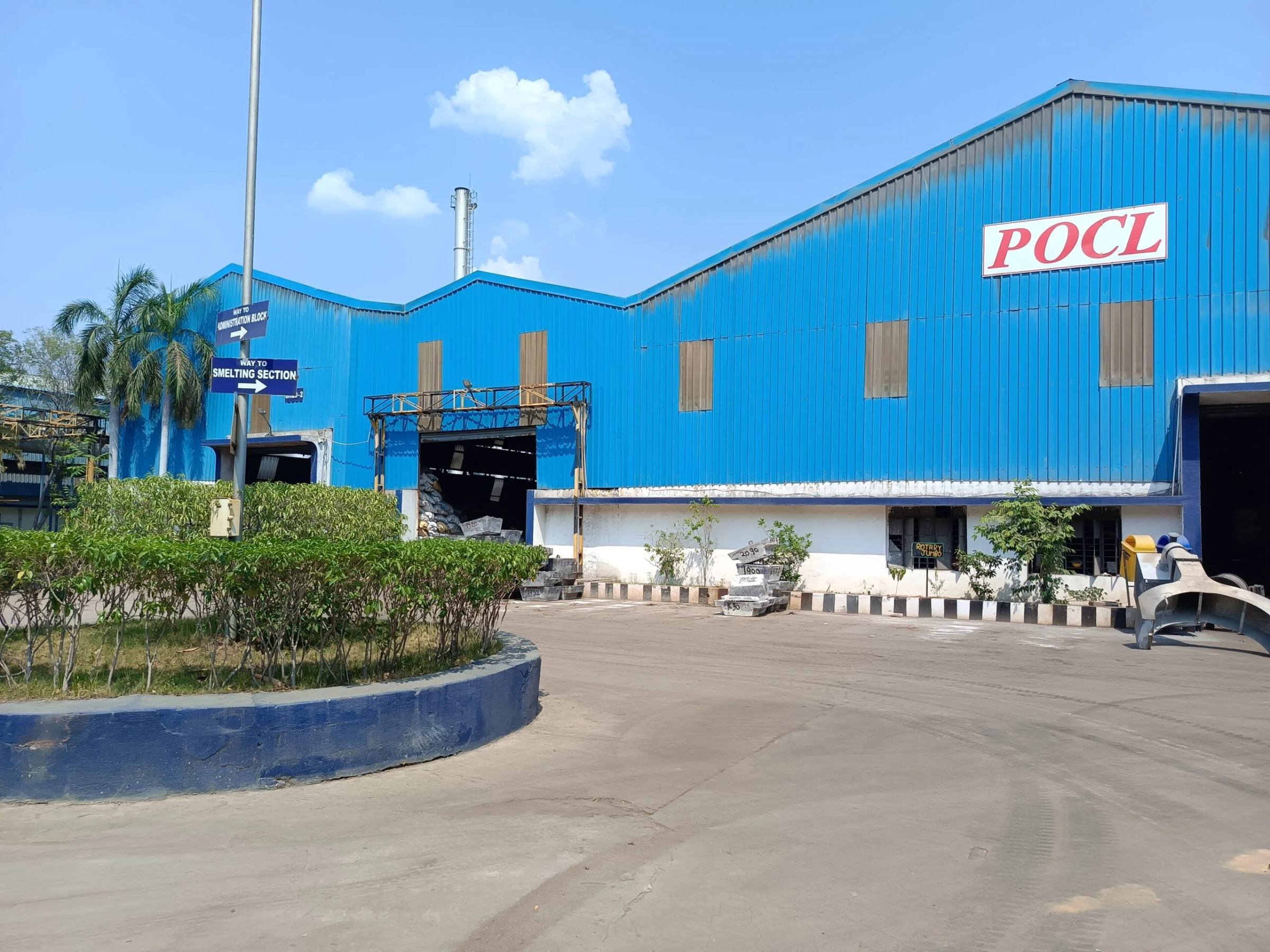
POCL Enterprises Ltd H1 FY25: The ₹1,448 Cr Metal Monster That Doubled Revenues, Courted Zinc, and Dated the LME – A Desi Metallurgical Blockbuster!
1. At a Glance
POCL Enterprises Ltd — the little-known metallurgy maestro from Chennai — has quietly built itself into a ₹560 crore market cap beast that’s now rubbing shoulders with the global metal mafia. Trading at ₹182 per share (down 23.6% in 3 months, but who’s counting when you’re dating the London Metal Exchange), the company’s performance is anything but dull.
For H1 FY25, revenue came in at ₹1,448 crore with a profit after tax of ₹37.5 crore, translating to an EPS of ₹12.7 and a juicy ROE of 37.5%. While most midcaps were busy filing excuses, POCL was filing export papers — now officially listed on the LME with its POEL LEAD brand.
The company’s metal segment (65% of revenue) grew 163% in two years, operating margins hit 5%, and the debt-to-equity stands at a manageable 0.97 despite new capex. Oh, and they just launched an 11,000 MTPA smelting unit expected to add ₹200 crore a year.
In short, this is one of those rare smallcaps that didn’t just talk about “value addition” — it literally melted metal, refined it, and exported it.
2. Introduction
Once upon a time in 1988, while the rest of India was busy listening to Lata Mangeshkar and waiting for Doordarshan to play Ramayana, a tiny enterprise called POCL started fiddling with lead and zinc. Fast-forward to FY25, and this same company is now an accredited supplier to giants like Exide, JK Tyre, and MRF.
What started as a humble smelting operation in Puducherry has evolved into a full-blown industrial orchestra — metals, oxides, stabilizers, and even a flirtatious dalliance with the London Metal Exchange (yes, they literally got listed there). The family-run Bansal clan at the helm has turned the business from an obscure recycler to an international-grade refiner.
Over the last five years, profits have grown at a 127% CAGR, revenues at 33%, and the stock has delivered a 107% return. Sure, it’s been down 24% in six months, but when you’re in a cyclical sector, that’s just the market’s way of saying “chal, thoda rest le.”
And here’s the twist — while most chemical companies in India are begging for demand, POCL is struggling to meet it. From battery manufacturers to tyre kings, everyone wants their alloys.
3. Business Model – WTF Do They Even Do?
POCL is basically the metallurgical version of a South Indian thali — a bit of everything, but each dish cooked perfectly. The company operates in three main segments:
1. Metals (65% of H1 FY25 revenue): This is the star performer — lead smelting, refining, and alloying. They manufacture refined lead, lead alloys, and zinc metal. Think of it as “raw material for the rawest of industries.” Used in cable sheaths, X-ray shields, and ammunition — this is the tough guy segment.
2. Metallic Oxides (29%): Here’s where the chemistry gets fancy. Zinc oxide and lead oxide — crucial ingredients in everything from cosmetics and tyres to batteries. So next time your face cream works well and your scooter battery doesn’t die, you might owe POCL a thank-you.
3. Plastic Additives & Others (6%): These guys make PVC stabilizers — the unsung heroes that keep your pipes from collapsing and cables from melting.
Their customers? Exide, GS Battery, MRF, JK Tyre, and even Korea Zinc. When your client list reads like the who’s who of heavy industry, you know you’re not just playing in the minors.
Also, the company isn’t stopping. It’s setting up a Lead-Free PVC Stabiliser unit and expanding oxide capacity. In short — they’re doing metallurgy with flair.
4. Financials Overview
Let’s talk numbers like a bored accountant and roast them like a comedian.
Metric
Latest Qtr (Sep’25)
YoY Qtr (Sep’24)
Prev Qtr (Jun’25)
YoY %
QoQ %
Revenue (₹ Cr)
362.55
372.93
372.43
-2.78%
-2.65%
EBITDA (₹ Cr)
18.13
18.57
20.58
-2.37%
-11.9%
PAT (₹ Cr)
9.76
9.62
11.64
+1.46%
-16.1%
EPS (₹)
3.17
3.45
3.78
-8.1%
-16.1%
Annualized EPS = 3.17 × 4 = ₹12.68, giving a P/E of 14.3, neatly matching Screener’s 14.9 — accuracy so sharp, even auditors would blush.
Margins hover around 5%, which sounds small, but in the world of recycling and metal refining,