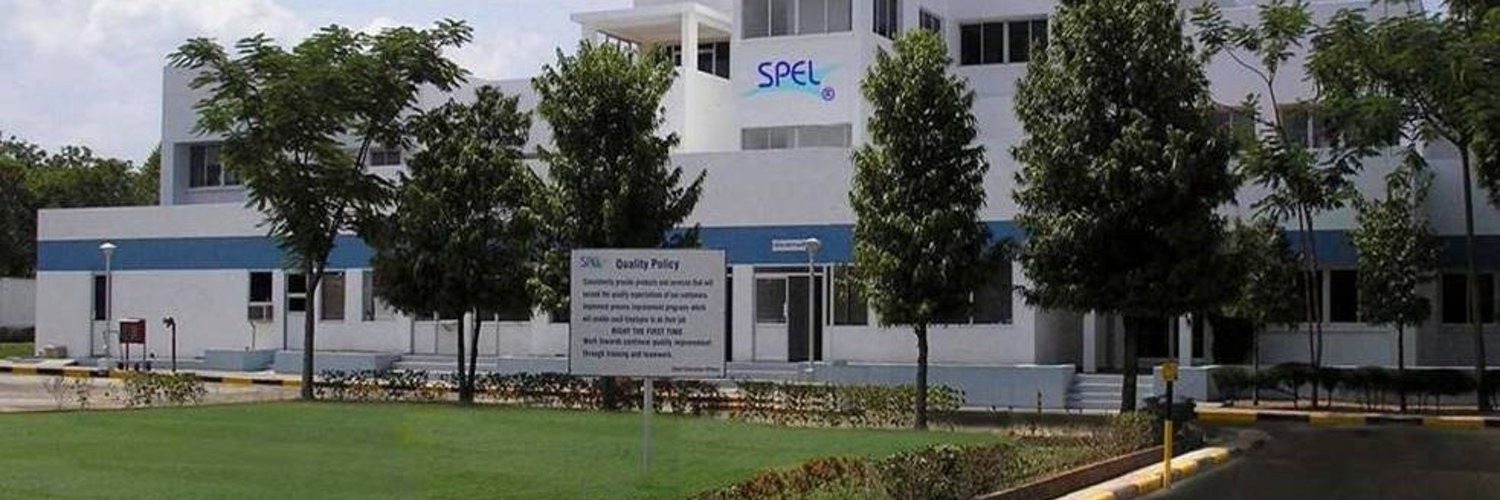
SPEL Semiconductor Ltd Q2 FY26 Results – India’s Only OSAT Firm Reports ₹12.46 Cr Loss, Auditors Flag ‘Going Concern’ Warning, Promoters Infuse ₹6.95 Cr via Preference Shares.
1. At a Glance
India’s one and only semiconductor packaging firm, SPEL Semiconductor Ltd, reported a brutal Q2 FY26 (Sep 2025) loss of ₹12.46 crore, extending its red streak longer than a CA’s audit file. The auditors have waved the red flag again—literally—with yet another “going concern” qualification, suggesting the company’s finances need more than a reboot—they need a miracle patch update.
With a market cap of ₹785 crore, stock price at ₹170, and ROE of -36%, the company continues to test investor patience more rigorously than its IC chips. Despite operating losses and negative margins, the stock is up 34.6% in 3 months, proving once again that in Indian markets, logic is optional and “semiconductor” is the new “AI.”
Debt sits at ₹26.8 crore, debt-to-equity is a Himalayan 12.5x, and the company’s book value per share is just ₹0.47—less than the cost of a masala biscuit. SPEL’s sales this quarter stood at ₹1.53 crore (up 10.1% QoQ), but that’s where the joy ends. The operating margin is a jaw-dropping -59.4%, which means for every ₹100 they earn, they spend ₹159 trying to keep the lights on.
Still, promoters hold a confident 59.2% stake, led by Natronix Semiconductor Technology (Singapore), and in a sign of faith—or desperation—they’ve just converted ₹6.95 crore of loans into preference shares.
Now let’s unpack the silicon soap opera in style.
2. Introduction
SPEL Semiconductor Ltd is like that one kid in class who always says, “I’m unique”—and they actually are. As India’s first and only OSAT (Outsourced Semiconductor Assembly and Test) facility, SPEL has been around since 1984, assembling, testing, and packaging integrated circuits for global clients long before “Make in India” became a thing.
But here’s the twist—while the rest of the semiconductor world is busy building fabs and chasing subsidies, SPEL seems to be stuck in a financial time warp. Losses continue year after year like a bad sequel, and every annual report feels like déjà vu—same losses, different excuses.
Still, give them credit—they’ve managed to survive four decades in a capital-intensive, tech-heavy, import-dominated industry with no real domestic ecosystem. That alone deserves a slow clap.
The Chennai-based company’s export revenue makes up 99% of total sales, thanks to clients like Renesas Electronics (11%) and Syrma SGS (20%), proving that global giants still trust this desi player for backend semiconductor work.
The latest quarter’s news cycle has been pure drama: auditor warnings, losses, land sales, preference share conversions, and even a note about selling or leasing the company’s undertaking. If Bollywood made a movie on corporate survival, SPEL would be the title track.
3. Business Model – WTF Do They Even Do?
Alright, here’s the layman version: SPEL takes semiconductor wafers (tiny silicon disks full of electronic circuits) and turns them into ready-to-use chips through processes like wafer sorting, assembly, testing, and packaging.
Think of it like a tailor for chips—the design comes from global “fabless” companies or chip manufacturers, SPEL stitches them into final form, tests them, and ships them to the client. Their chips end up in mobile phones, computers, automotive electronics, and industrial systems.
The company offers:
Wafer Sort: Checking which parts of the wafer actually work.
Assembly & Packaging: Cutting and encasing working chips into usable IC packages.
Testing & Drop Shipment: Ensuring they function, then sending them straight to OEMs.
Value-added services: Failure analysis, package design, reliability testing, and even test hardware program development.
So, in essence, they do everything except make the chips themselves—which is good news for their equipment budget, bad news for profitability when the ecosystem around them collapses.
It’s an asset-heavy, export-reliant, and scale-sensitive business model. Without volumes, margins stay negative—just like SPEL’s EPS for most of the last decade.
Still, in an era where India is desperate for semiconductor independence, this small company is the only operational OSAT player on local soil. So while the financials scream “distress,” the strategic value screams “national asset in disguise.”
4. Financials Overview
Type Lock: Quarterly Results (Q2 FY26)
Let’s decode the numbers with a microscope sharper than their wafer sorter.