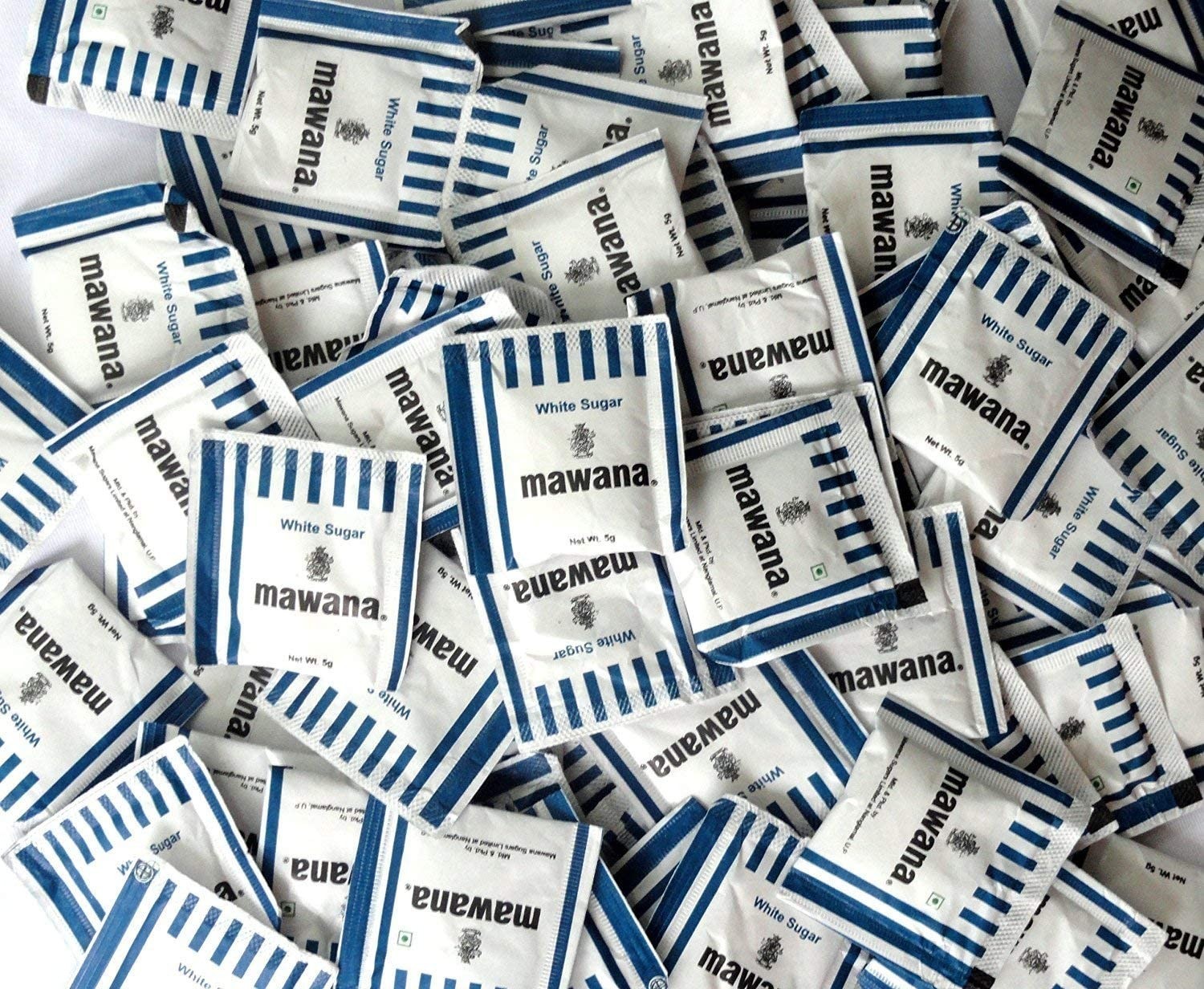
Mawana Sugars Ltd (BSE: 523371 | NSE: MAWANASUG) just dropped its September 2025 quarter numbers — and let’s just say, the sugar turned sour this season. With sales at ₹429 crore and a net loss of ₹16 crore, this ₹327 crore market-cap company reminded investors that in the sugar industry, one quarter’s mithai is another quarter’s migraine.
At a current market price of ₹83.7, the stock trades at a P/E of 6.4x, nearly half of the industry’s 13.2x average — which sounds cheap until you notice the quarterly red ink. Still, the dividend yield of 4.78% is sweeter than most smallcaps can boast, and the stock is trading at just 0.71x book value (₹117 per share).
Debt? Almost zero. Promoters? Holding a solid 63.5%, unpledged. ROE at 12.8%, ROCE at 10.3%, and the dividend payout at a nostalgic 48.4% — clearly, Mawana still likes giving sweets to shareholders even when the cash flows look like bitter gourd juice.
And did we mention? The company’s fighting a ₹9.5 crore GST demand, a pending NCLT merger case, and a recently approved ₹28 crore property deal with a related party. Drama, thy name is Mawana.
2. Introduction
The sugar industry is India’s financial version of a soap opera — high on drama, low on predictability. Every year, sugar mills swing from loss to profit and back faster than a Delhi cabbie switching lanes. Mawana Sugars is no exception.
Founded in 1989, this ISO 22000:2005-certified sweetmaker from Uttar Pradesh has a portfolio spanning sugar, ethanol, and co-generation of power. But even with the government’s ethanol blending push, Mawana’s numbers tell a tale of sugar highs and ethanol hangovers.
FY25 ended on a decent note with ₹1,507 crore revenue and ₹105 crore net profit, translating into an EPS of ₹26.7. But the first half of FY26 has been rocky — net losses in both Q1 and Q2. Despite ethanol and green power helping diversify revenues, sugar still dominates ~80% of total sales.
Investors who thought ethanol was the miracle drug for sugar stocks are now learning that diversification doesn’t mean immunity.
Yet, Mawana’s resilience is oddly admirable. The company has been through debt restructuring, mergers, regulatory punches, and still managed to reduce its borrowings to just ₹8 crore. It’s like that resilient cousin who always says, “sab thik ho jayega,” after failing math thrice.
3. Business Model – WTF Do They Even Do?
Mawana Sugars operates through three main business segments:
1. Sugar Bulk: The bread and butter — or rather, the sugar and chai. It produces plantation white sugar, refined sugar, specialty and pharma-grade sugars. Around 80% of total revenue comes from this segment.
2. Distillery (Industrial Alcohol): This is where the ethanol magic happens. Mawana produces anhydrous and hydrous ethanol, rectified spirit, denatured spirit, and fuel ethanol. The segment accounts for ~16% of revenue — and frankly, it’s the only part that keeps analysts awake.
3. Co-generation of Power: The green energy arm runs on bagasse — the fibrous residue from sugarcane. Mawana’s 53.5 MW cogeneration capacity allows captive consumption and grid export to UPPCL. Think of it as a sugar mill’s version of a solar farm.
Production capacity stands at 19,000 tonnes crushed per day (TCD), and ethanol capacity of 120 KLPD. This is respectable scale — not Balrampur Chini-level, but solid enough to matter.
If you still wonder what Mawana really does — imagine a factory that crushes sugarcane, sells the sugar, ferments the leftovers into alcohol, burns the residue to make power, and then prays the government doesn’t change ethanol pricing mid-year.
4. Financials Overview
Let’s look at the Q2 FY26 results and compare them with previous quarters.