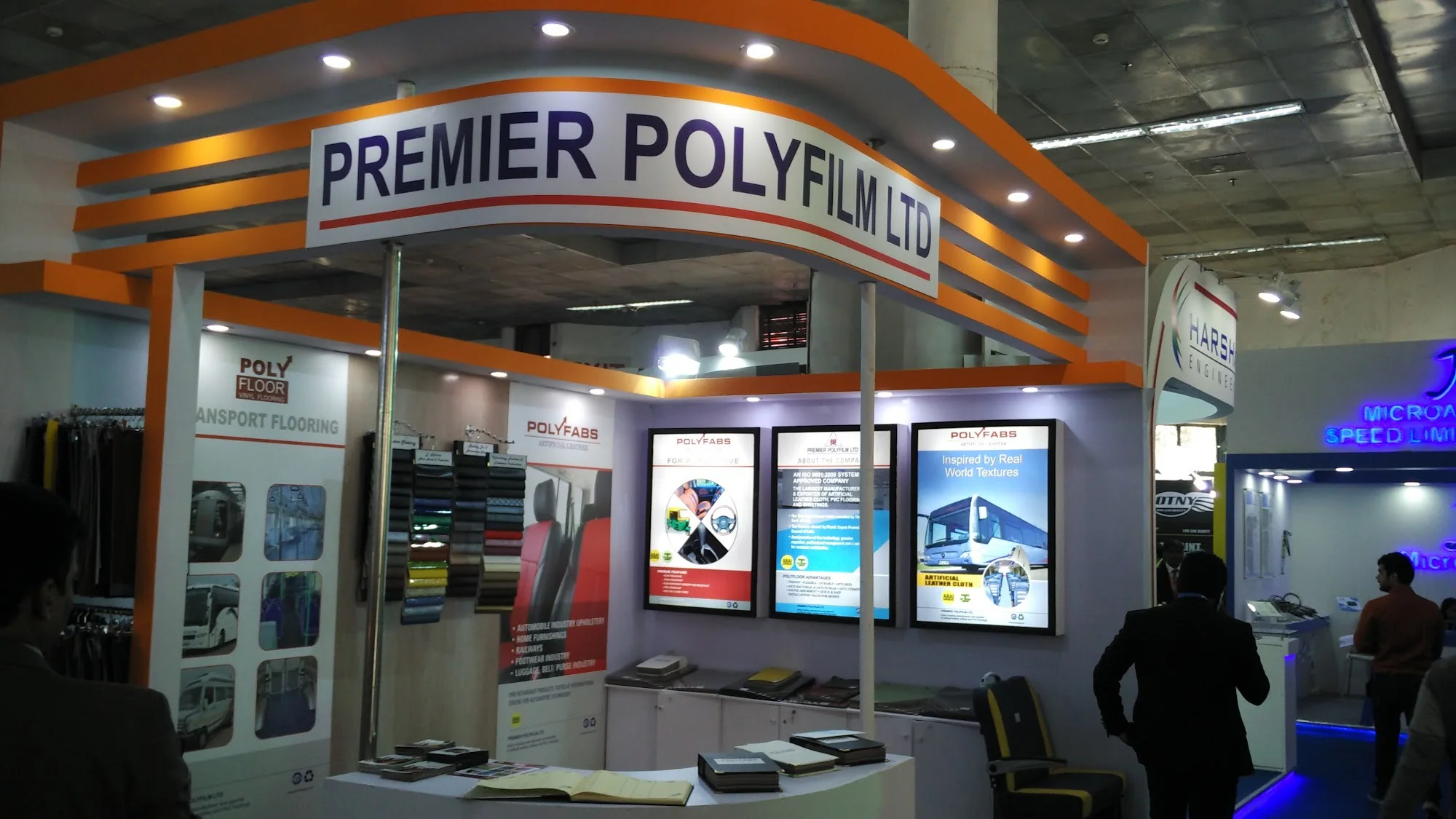
Premier Polyfilm Ltd Q2 FY26: Vinyl Floors Are Solid, But The Stock Is Slippery — 16.7% Margins, 0 Debt, And A Curious Steel Dream
1. At a Glance
Premier Polyfilm Ltd (PPL) has done what every Indian startup dreams of — making money from plastic and still calling it “sustainable.” The ₹480 crore mid-cap polymer player from Uttar Pradesh is sitting comfortably debt-free, with an enviable ROCE of nearly 30% and ROE of 24%. Its September 2025 quarter (Q2 FY26) numbers show sales of ₹73.6 crore and a net profit of ₹8.01 crore, up 4.4% YoY and 1.9% QoQ — not mind-blowing, but steady as a luxury vinyl floor.
The stock is currently priced at ₹45.8, having slipped 23% over the past year — perhaps because investors expected the floorings to moonwalk faster. At a P/E of 18.3 (vs industry average of 23.5), it’s cheaper than Astral and Supreme Industries but far more efficient in squeezing profits from every polymer pellet. And yes — no debt, no pledges, no excuses. If companies were Tinder profiles, this one would flex “financially stable, emotionally laminated.”
2. Introduction
If someone told you a company making vinyl floors and PVC sheeting could pull a 30% ROCE, you’d assume they were talking about a fintech startup. But no — Premier Polyfilm has managed to keep the polymer game sexy, profitable, and entirely solvent.
Born in 1992, this ISO-certified manufacturer doesn’t just sell vinyl flooring — it sells dreams that can’t be scratched, stained, or bankrupted. The company’s in-house ecosystem — from coating and calendaring to embossing and testing — makes it the polymer version of a self-sufficient monk.
But here’s the twist — in FY23, they casually added a clause in their Memorandum of Association to start… wait for it… a steel and alloy billets plant. Because apparently, after wrapping cars and making pool liners, melting steel seemed like the next logical step. It’s the corporate equivalent of your neighborhood bakery suddenly deciding to mine Bitcoin.
Still, the core business is holding strong: vinyl, artificial leather, self-adhesive films, PVC membranes, and wallpapers. Whether you’re waterproofing a tunnel or decorating your cousin’s wedding hall, there’s a 67% chance PPL’s product is somewhere nearby — looking fancy and smelling faintly of new plastic.
3. Business Model – WTF Do They Even Do?
Let’s decode PPL’s multi-textured empire.
Premier Polyfilm manufactures specialty calendared films, sheets, and leatherettes used in industrial, automotive, rail, healthcare, and household applications. Think of it as a company that makes everything that looks good but isn’t actually leather.
Their product basket is as wide as an interior designer’s Pinterest board:
Artificial leather for transport and automotive seating — from buses to Boleros.
PVC films and printed sheetings for hospitals, cars, and furniture.
Vinyl flooring for railways, metro coaches, and malls (the clean shiny stuff you slide on while pretending not to fall).
Self-adhesive films used in car wrapping and wallpapers.
PVC geomembranes for underground waterproofing — yes, they even keep your basement dry.
Swimming pool liners, roofing sheets, and wallpapers — because apparently, your walls and roofs deserve fashion too.
The company operates a single large manufacturing plant at Sikandarabad, Uttar Pradesh, with a capacity of 32,000 MTPA. In FY23, they achieved 26,754 MT output, a 14% jump over FY22. Capacity utilization keeps improving with every new line added.
Distribution-wise, they’ve got a 100+ dealer network across India, and exports contribute ~11% of total revenue. Indian Railways remains a big client, and automotive OEM suppliers rely on PPL’s artificial leather for seats that never age, even if the cars do.
So yes, they basically make “everything between the steel and the paint.”
4. Financials Overview
Let’s crunch the Q2 FY26 numbers:
Metric (₹ Cr)
Sep 2025 (Q2 FY26)
Sep 2024 (YoY)
Jun 2025 (QoQ)
YoY %
QoQ %
Revenue
73.6
70.5
65.1
4.4%
12.9%
EBITDA
12.29
12.10
9.65
1.6%
27.3%
PAT
8.01
7.86
6.00
1.9%
33.5%
EPS (₹)
0.76
0.75
0.57
1.3%
33.3%
Annualized EPS: ₹0.76 × 4 = ₹3.04
At a CMP of ₹45.8, that’s a P/E of 15.1x on an annualized basis — slightly below its stated 18.3x TTM figure.
Commentary: Margins are behaving like a disciplined accountant —