Shri Venkatesh Refineries Ltd (H1FY26) – The Jalgaon Oil Wala That Went From Soyabean To Stock-Market Stardom!
1. At a Glance
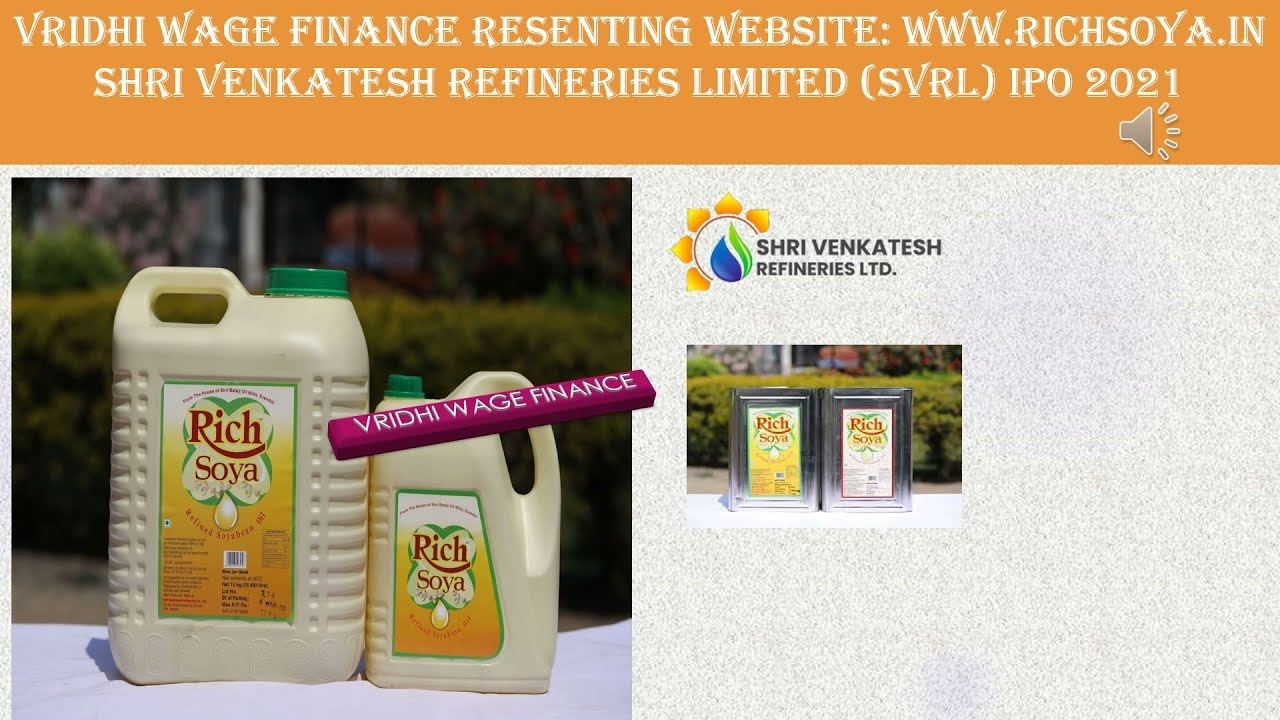
When you think of Jalgaon, most people imagine bananas. Shri Venkatesh Refineries Ltd (SVRL) decided that wasn’t enough — they went full “Rich Soya” and turned oil into gold. Trading at ₹304 a share (as of 25 Nov 2025) with a market cap of ₹672 crore, this edible oil refiner has become Maharashtra’s very own FMCG underdog. In just one year, the stock fried up a 92% return, proving that when oil prices rise, so does investor cholesterol. Sales for the latest half-year ending Sep 2025 clocked ₹556 crore, almost 80% YoY growth, while PAT jumped a staggering 99.7% to ₹14.4 crore. The P/E of 26.6x may not make it a bargain, but the ROE of 20.7% suggests they’re not wasting any oil in the process.
With a refining capacity of 36,000 tonnes per annum, 14 tankers on the road, and 148 distributors sweating across Maharashtra, this company has managed to make “Rich Soya” a familiar kitchen name. The cherry on top? A planned 1,000 TPD plant near Mumbai — because every edible oil empire needs a coastal view.
2. Introduction
If you’ve ever opened a pouch of Rich Soya and wondered, “Who’s making all this?” — surprise, it’s Shri Venkatesh Refineries Ltd, Jalgaon’s unsung refinery rockstar. Born in 2003, SVRL started refining oil when others were still figuring out how to spell “soyabean.”
Over the years, the company evolved from being a small local refiner to a full-fledged edible oil brand with its feet dipped in soyabean, cottonseed, sunflower, palm, and mustard oils. Their brands — Rich Soya, Rich Sun, and Silver Gold — sound less like edible oil and more like new-age crypto coins, but their sales are very real.
What sets SVRL apart isn’t innovation in flavor or packaging — it’s consistency. A five-year sales CAGR of 24.4% and a profit CAGR of 52.3% shows that they’ve mastered the art of refining both oil and balance sheets. While FMCG giants like Marico and Patanjali dominate national shelves, SVRL quietly built a loyal base in Maharashtra.
Their journey from SME listing to Main Board migration on BSE (and soon NSE) reads like a well-cooked recipe: a pinch of discipline, a spoon of scaling, and a truckload of soyabeans.
3. Business Model – WTF Do They Even Do?
Think of SVRL as the middleman between farmers’ fields and your frying pan. Their core play is refining raw edible oil into consumer-grade refined oil and then selling it under branded labels.
Step 1: Buy crude or raw oil. Step 2: Refine, process, and package it into “Rich Soya” or “Rich Sun.” Step 3: Sell the refined oil while also monetizing the by-products — Soya Acid Oil, Sludge, and Fatty Acids.
Beyond manufacturing, SVRL also trades various edible oils — soyabean, cottonseed, mustard, sunflower, and palm — to balance seasonal fluctuations and secure margins. It’s like having an in-house trading desk but for your kitchen oils.
Their 36,000 TPA refinery capacity is backed by 6,000 MT storage, ensuring they can manage inventory like a FMCG pro. With solar panels (650 KWH) on-site, they’re even partially green — because nothing says “sustainability” like using the sun to fry pakoras.
The company’s products are available in multiple packaging — from half-litre pouches to 15-litre tins, ensuring they’re equally present in small kirana stores and massive hotel kitchens.
Question for you, dear reader — if the oil’s name is Rich Soya, does using it make you rich or just oily?
4. Financials Overview
Reporting Format: Half-Yearly Results (Figures in ₹ Crores)
Metric
H1FY26 (Sep 2025)
H1FY25 (Sep 2024)
Previous Half (Mar 2025)
YoY %
HoH %
Revenue
556
308
393
80.3%
41.5%
EBITDA
28
15
21
86.7%
33.3%
PAT
14.4
7
11
99.7%
30.9%
EPS (₹)
6.51
3.26
4.91
99.7%
32.6%
Annualised EPS = 6.51 × 2 = ₹13.02 per share At ₹304/share, the stock trades at a P/E of ~23x annualised earnings, fairly aligned with the FMCG peers but miles ahead of your cooking oil margin.
Commentary: SVRL’s financials are literally sizzling. Revenue doubled, profits nearly doubled, and margins remained constant at around 5%. It’s not a high-margin FMCG story, it’s a volume engine — the more they refine, the more they shine.
5. Valuation Discussion – Fair Value Range (Educational Purpose Only)