Nirlon Ltd Q2 FY26 – When Goregaon Became Mumbai’s Real REIT Without Saying REIT
1. At a Glance
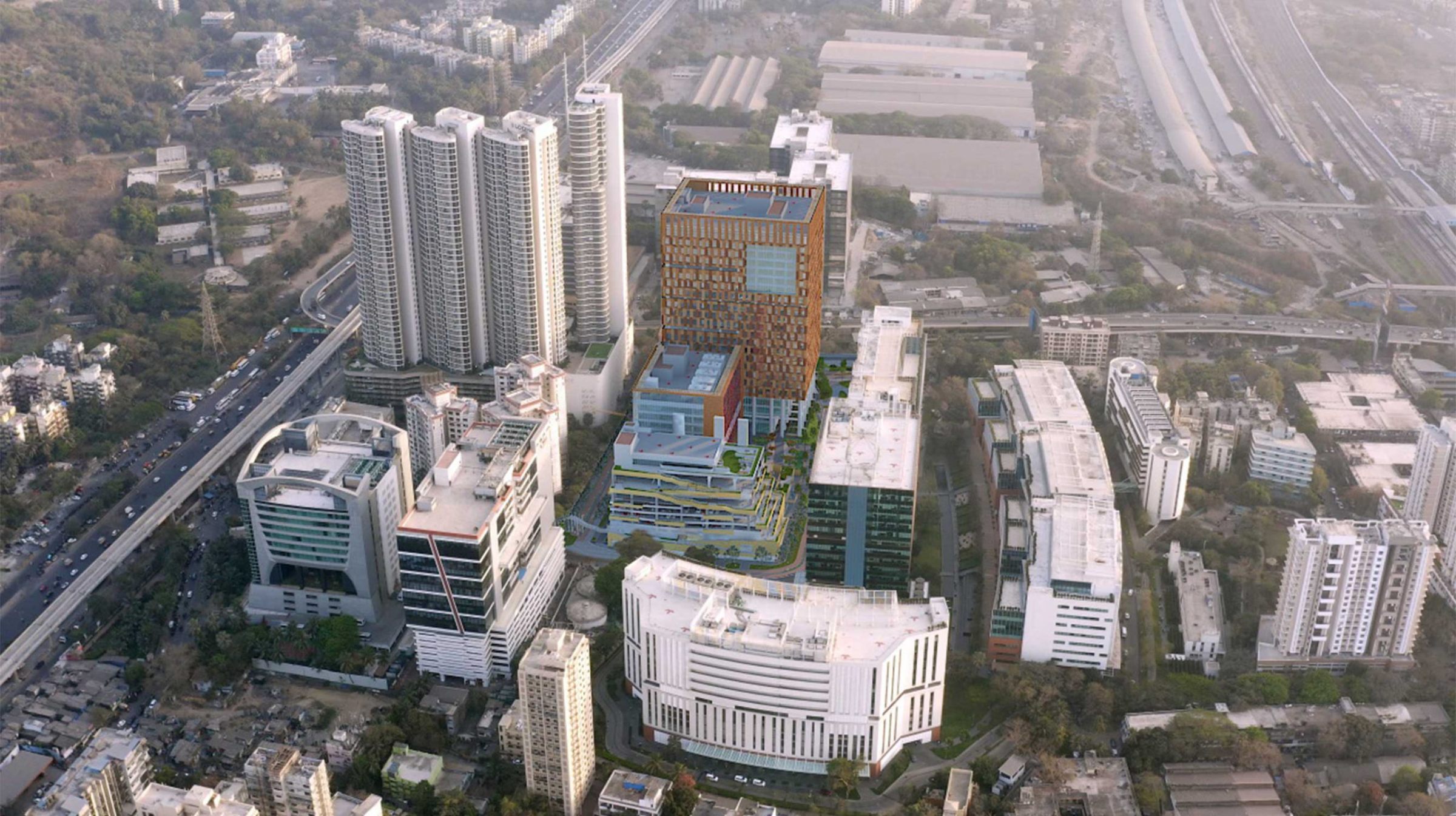
Ladies and gentlemen, welcome to the curious case of Nirlon Ltd (BSE: 500307) — a company that was once making synthetic yarns and rubber products, but now quietly owns a 23-acre goldmine in Goregaon called Nirlon Knowledge Park (NKP). Think of it as Mumbai’s premium office colony where even your parking spot probably pays more rent than your entire flat.
With a market cap of ₹4,507 crore, Nirlon trades around ₹500/share, down 12% in 3 months (yes, Mumbai real estate got the sniffles). But don’t pity them — they’re still laughing all the way to Deutsche Bank, Citibank, and JP Morgan — literally their tenants.
Their Q2 FY26 numbers scream “landlord goals”:
Revenue: ₹165 crore
PAT: ₹148 crore (YoY up 161%)
Operating Margin: 78%
ROE: 59.9%
Dividend Yield: 5.2%
With rent collectors like these, who needs product launches? The company pays out more than 100% of its profits as dividends, and investors call it “passive income.” Some call it a “real estate REIT in denial.”
Ever wondered what happens when a yarn maker becomes a real estate landlord and a sovereign fund from Singapore (GIC) takes over? Stick around — the punchlines are just getting started.
2. Introduction – From Yarn to Yards, and Now to Yields
Once upon a time, Nirlon made synthetic yarns. Then it realized: why make yarn when you can spin real estate dreams? After a painful bankruptcy restructuring in 1988–2006, it reinvented itself as the landlord of Goregaon’s glitziest IT park.
Enter Nirlon Knowledge Park (NKP) — a 23-acre business Disneyland that houses the who’s who of global finance: JP Morgan, Citibank, Barclays, Deutsche Bank, ICICI, IBM, and even Starbucks, because bankers can’t function without ₹400 coffee.
By 2021, the fifth and final phase of NKP was completed, and soon JP Morgan moved in like it owned the place (almost did, considering rent terms).
The cherry on top? In 2015, Singapore’s sovereign wealth arm GIC (through Reco Berry Pvt Ltd) bought a 63% controlling stake. So yes, this once-bankrupt Indian yarn company now pays rent cheques to Singapore.
Fast forward to FY26, and the results are comedy gold: 79% operating margins, 30% ROCE, and a 5% dividend yield. Yet, the stock trades 20% below its 52-week high — because, well, markets still think it’s “just a real estate company.”
Moral of the story? Never underestimate an Indian landlord with multinational tenants and a Singaporean sugar daddy.
3. Business Model – WTF Do They Even Do?
Nirlon Ltd doesn’t sell products. It leases emotions — primarily to foreign banks who love air-conditioned cubicles in Goregaon East.
Their one and only major asset — Nirlon Knowledge Park (NKP) — spans 3.06 million sq. ft. of leasable space. Every square foot here generates rent so stable, it makes a PSU look volatile.
Here’s how the business works:
Build fancy glass buildings.
Lease them long-term (10 years to JP Morgan alone).
Collect rent like a well-dressed landlord.
Deduct interest and depreciation.
Distribute the leftovers as hefty dividends.
The company also owns 75% in Nirlon House, a prime Worli commercial property — because if Goregaon is the body, Worli is the soul of Mumbai real estate.
Their client list reads like a bank’s dream loan portfolio — Citibank, Barclays, Deutsche, Morgan Stanley, ICICI, IBM — all paying rent with global precision.
If India ever made a sitcom called “The Tenant Who Pays on Time,” Nirlon would be the lead character.
4. Financials Overview
Source table
Metric
Latest Qtr (Sep’25)
YoY Qtr (Sep’24)
Prev Qtr (Jun’25)
YoY %
QoQ %
Revenue
₹165 Cr
₹160 Cr
₹163 Cr
3.1%
1.2%
EBITDA
₹129 Cr
₹129 Cr
₹128 Cr
0%
0.8%
PAT
₹148 Cr
₹56 Cr
₹58 Cr
161%
155%
EPS (₹)
16.39
6.27
6.48
161%
153%
Commentary: If profit margins had a Bollywood soundtrack, this quarter would sing “All is Well.” Revenue barely moved, but PAT tripled — clearly, this landlord just refinanced something big or got tax magic. The EBITDA margin at 78% means they spend less on operations than most people spend