S.P. Apparels Ltd Q2 FY26 – The Babywear King Grows Up (Literally): 58% PAT Growth, Sri Lankan Expansion, and a Fashionable ₹2,000 Cr Ambition
1. At a Glance
If balance sheets could walk the ramp, S.P. Apparels Ltd (SPAL) would strut in slow motion, wearing an “infantwear-to-intimatewear” badge with pride. The company, India’s largest manufacturer and exporter of baby and kids garments, has stitched together a solid ₹1,984 crore market cap empire from humble Tirupur roots.
As of Q2 FY26, SPAL reported Revenue of ₹427 crore (up 9.2% YoY) and PAT of ₹34.7 crore (a whopping 58.1% YoY jump). Operating margins strutted at a comfortable 15%, proving that babywear can indeed make grown-up money. The stock trades at ₹793, roughly 18x earnings, cheaper than most of its stylish peers like Page Industries (56x) or Gokaldas Exports (45x).
With ROCE of 14.2%, ROE of 11.7%, and Debt-to-Equity at 0.45, SPAL isn’t exactly debt-free, but it’s no credit-card abuser either. Management eyes ₹2,000 crore revenue by FY27, backed by Sri Lankan expansion, machine upgrades, and diversification into adult and intimate wear.
So, is this just another Tirupur story, or is SPAL sewing a global legacy? Let’s open the wardrobe.
2. Introduction
Once upon a time in the cotton-clad lanes of Tirupur, a man named P. Sundararajan decided baby clothes could make serious money. Decades later, that bet looks smarter than most mid-cap fund managers. S.P. Apparels Ltd, established in 1989, is no longer a “babywear” story; it’s a vertically integrated textile beast with spinning, knitting, dyeing, printing, embroidery, and garmenting—all under one disciplined textile roof.
From Marks & Spencer to Victoria’s Secret’s PINK, global brands trust SPAL’s sewing machines more than their own vendors. And while most garment exporters complain about labor costs, SPAL quietly adds new factories—21 in Tamil Nadu and counting. The company recently went global too, opening S.P. Apparels International (Pvt) Ltd in Sri Lanka—a move that promises cheaper labor and customer-approved capacity additions.
Of course, the story isn’t perfect. Margins have threads of pressure, debtor days are stretching longer than an elastic waistband (65.6 days), and dividend payout remains a stingy 3.04%. But then again, every stitched empire has loose ends.
3. Business Model – WTF Do They Even Do?
If you think SPAL just makes baby pajamas, think again. This company is basically a mini Zara for infants—except it actually makes profits.
Here’s how the empire unfolds:
Garment Division (89.5% of FY25 revenue): The core business. SPAL manufactures babywear—bodysuits, sleepsuits, tops, and bottoms—for global retailers. These are produced across integrated facilities that handle everything from greige fabric to finished products.
Retail Division (SP Retail – 5.5%): The “desi lifestyle” arm running three brands:
Crocodile – For men who want class without screaming “logo”.
SPUK (UK Subsidiary – 5%): The fashion intelligence hub in Britain. Handles design, marketing, and client relations for Europe. Works with brands like Joules and Dunnes Stores.
Young Brand Apparel (YBA): Recently acquired player making intimate wear and athleisure, boasting a 2.8 lakh sq. ft factory near Chennai. Because even the babywear king wants adults in his portfolio.
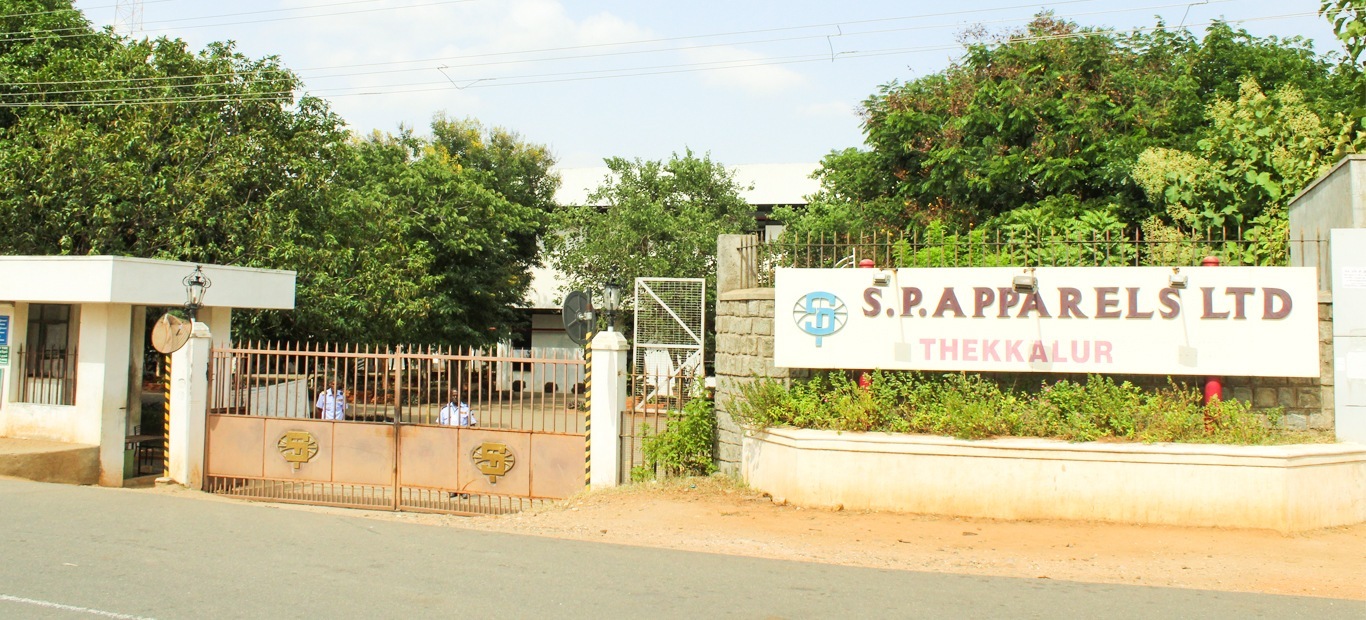
Everything happens under SPAL’s vertically integrated model—from spinning yarn at Salem’s Attur plant (₹14 Cr EBITDA in FY25) to dyeing at Perundurai and embroidery in Thekkalur. They even own printing units, because why outsource when you can color your own cash flow?