1. At a Glance
If polymers had a Bollywood hero, it’d be Time Technoplast Ltd – always reinventing itself, always in the sequel. With a market cap of ₹9,742 crore and a stock price lounging at ₹197, the company’s been flexing its muscles across 9 countries like a global franchise of “Swachh Polymer Yatra.” In Q2 FY26, sales jumped 10.3% YoY to ₹1,511 crore, while PAT rose 17.4% to ₹115 crore, proving that even in a world full of recyclables, profits here are still original material.
The ROCE of 17.4% and ROE of 14.2% show a company that’s got both strength and discipline – the kind that can bench-press HDPE pipes while sipping on RO water stored in its own Techpack drum. Debt’s slimmed down to ₹684 crore, promoter holding’s 47.5%, and not a single paisa pledged. The P/E ratio of 23.2x keeps it reasonably priced compared to the glitzy 76x PE of Astral.
After a recent ₹800 crore QIP, a 1:1 bonus issue, and an order book so fat it could fill a warehouse, Time Technoplast is clearly in its polymer prime. But behind the shine, there’s also the smell of melting plastic, divestments in the Middle East, and a 15% CAGR dream that’ll need more than just good moulding to pull off.
2. Introduction – The Plastic Empire Nobody Saw Coming
Once upon a time, plastics were the villains of the planet. Now, they’re the backbone of industries, and Time Technoplast is their undisputed producer-director. From HDPE drums and IBC containers to composite LPG cylinders and MOX films, the company’s catalogue reads like Amazon for industrial packaging.
Born in 1992, Time Technoplast started small—making basic drums for chemicals. Fast forward to 2025, and it’s running 20 manufacturing units across India, with footprints in 11 countries, dominating markets like a boss with a polymer briefcase. It’s a company that somehow managed to make packaging sexy again—at least to investors who understand margins better than makeup.
In Q2 FY26, the company played its cards right: executing large orders, bagging new pipe contracts, and raising capital smartly via QIP instead of the usual “promoter pledge and pray” route. And then came the 1:1 bonus issue—the classic crowd-pleaser move, proving that sometimes, plastics do multiply naturally.
But beneath the glossy investor presentation lies a fascinating transformation story—a company divesting from low-yield regions, innovating with batteries, and aiming to become debt-free in under three years. Not bad for a polymer player once dismissed as a cyclical commodity bet.
So, grab your reusable bottle, because this journey’s about to get slippery, shiny, and sarcastically sustainable.
3. Business Model – WTF Do They Even Do?
If you’ve ever used a plastic drum, sat on synthetic turf, seen a shiny composite LPG cylinder, or admired those transparent plastic geysers (don’t), chances are, Time Technoplast’s fingerprints are on it. The company operates in two main segments:
- Polymer Products (65%) – The bread and butter. These include HM-HDPE drums, jerry cans, pails, PE pipes, and MOX films. Think of them as the containers of capitalism – without them, no FMCG, pharma, or chemicals move an inch.
- Composite Products (35%) – The cool cousin. This includes IBCs, composite LPG/CNG cylinders, and energy storage devices. They sound fancy because they are—lightweight, safe, and eco-friendly (well, more eco-ish).
What makes them tick?
- Industrial Packaging (64%): Techpack-branded drums and containers that move India’s chemicals, paints, and FMCG goods.
- IBC Containers (12%): Marketed as GNX, their global ambassador product.
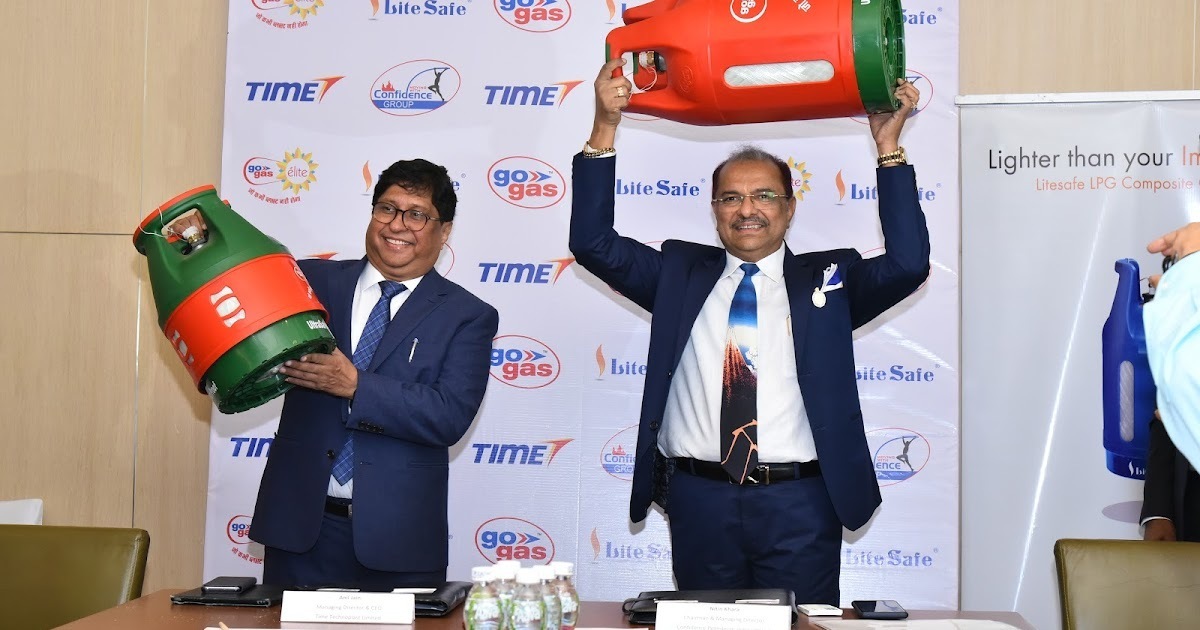
- Composite Cylinders (10%): LiteSafe LPG cylinders and Nex-G CNG cascades.
- Infrastructure Solutions (7%): HDPE pipes and batteries for railways and solar use.
- MOX Films (3%): Fancy techpaulin films used in agriculture and construction.
Basically, Time Technoplast is like that one friend who can do everything – from carrying water to carrying your portfolio. It’s diversified across industries, countries, and even materials.
But here’s the