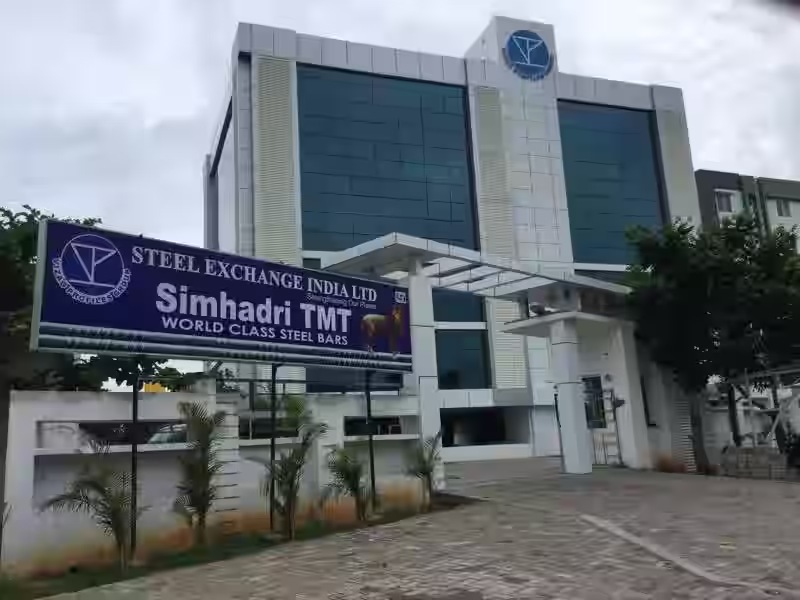
Steel Exchange India Ltd Q2FY26 – ₹350 Cr Refinancing, ₹3,450 Cr MoU, and a 60 MW Power-Packed Steel Rebirth
1. At a Glance
If the Indian smallcap space were a Bollywood movie, Steel Exchange India Ltd (SEIL) would be the underdog hero — bruised, broke, but still flexing its rebar muscles. Trading at ₹8.79, down -9.38% in 3 months, this Vizag-based steelmaker carries a market cap of ₹1,104 crore, P/E of 33.5x, Book Value of ₹6.02, and a ROCE of 9.84%.
Q2FY26 results show Revenue ₹231.76 crore and PAT ₹2.11 crore, with margins holding but profits dipping — a bit like having a six-pack but no energy to walk. SEIL’s integrated 400-acre plant in Vizianagaram churns out TMT bars, billets, and sponge iron under the Simhadri TMT brand.
But the plot twist? The company has just signed a ₹3,450 crore MoU with the Andhra Pradesh government to add 10 lakh TPA in five years and build a logistics park by FY27. It also refinanced ₹350 crore of debt, slashing interest by 5.5%. Meanwhile, promoters have pledged 100% of their holdings, proving once again that courage comes with collateral.
2. Introduction
SEIL’s story is a masterclass in Indian corporate reincarnation. Incorporated in 1999, the company manufactures and trades in steel products and even generates power from waste gases — because nothing goes to waste in Vizag except maybe profitability.
It’s the flagship of Vizag Profiles Group, which has been in business long enough to remember when “Billets” didn’t just mean cricket stadiums. The company brands its TMT bars under Simhadri TMT, supplying the Fe500D and Fe550D grades — strong enough to build skyscrapers and investor hopes alike.
After surviving losses in FY17–FY18, SEIL has managed to clock ₹33 crore PAT in FY25. However, its interest coverage ratio of 1.70x still raises eyebrows faster than its EPS of ₹0.27. But SEIL isn’t just a steel company anymore — it’s becoming a power generator, a logistics player, and, soon enough, maybe a real estate dreamer (as per its new MOA additions).
Despite the steel sector’s price volatility, SEIL’s integrated structure (sponge iron → billet → TMT) keeps it resilient. Plus, the latest refinancing reduces interest costs and extends loan tenure to 2030. That’s like refinancing your marriage till retirement.
So, will SEIL’s fiery furnaces melt debt or burn cash again? Let’s find out.
3. Business Model – WTF Do They Even Do?
Business in one line: They take iron ore, cook it in furnaces, roll it into TMT bars, and sell it under “Simhadri TMT” to builders who think cement is optional.
Here’s the breakdown:
Core Segments: Iron & Steel (~95% of revenue) and Power (~3%).
Revenue Mix FY24:
Rebar & Wires – 67%
Billets & Ingots – 18%
Sponge & Pig Iron – 1%
Energy Sales – 3%
Trading of steel products – 9%
The company operates a 400-acre integrated steel plant in Vizianagaram, Andhra Pradesh, which has:
3.57 Lakh MTPA TMT bar rolling mill (commissioned Feb 2025)
3.62 Lakh MT billet production (upgraded July 2024)
60 MW power plant, partly powered by waste gases — an industrial version of recycling your ex’s excuses.
Raw material sourcing is secure through NMDC (iron ore) and Singareni Collieries (coal).
The FY24 funding soap opera was spicy:
Raised ₹272.92 crore via NCDs at 18.75% to repay older 21.75% debt (Edelweiss exit).
Raised ₹100 crore more for new caster and capex.
Converted CCDs worth ₹549.95 crore and warrants worth ₹422 crore to equity — giving promoters and select investors massive fresh holdings.
Essentially, SEIL makes steel, burns debt, and occasionally flirts with new businesses like logistics.