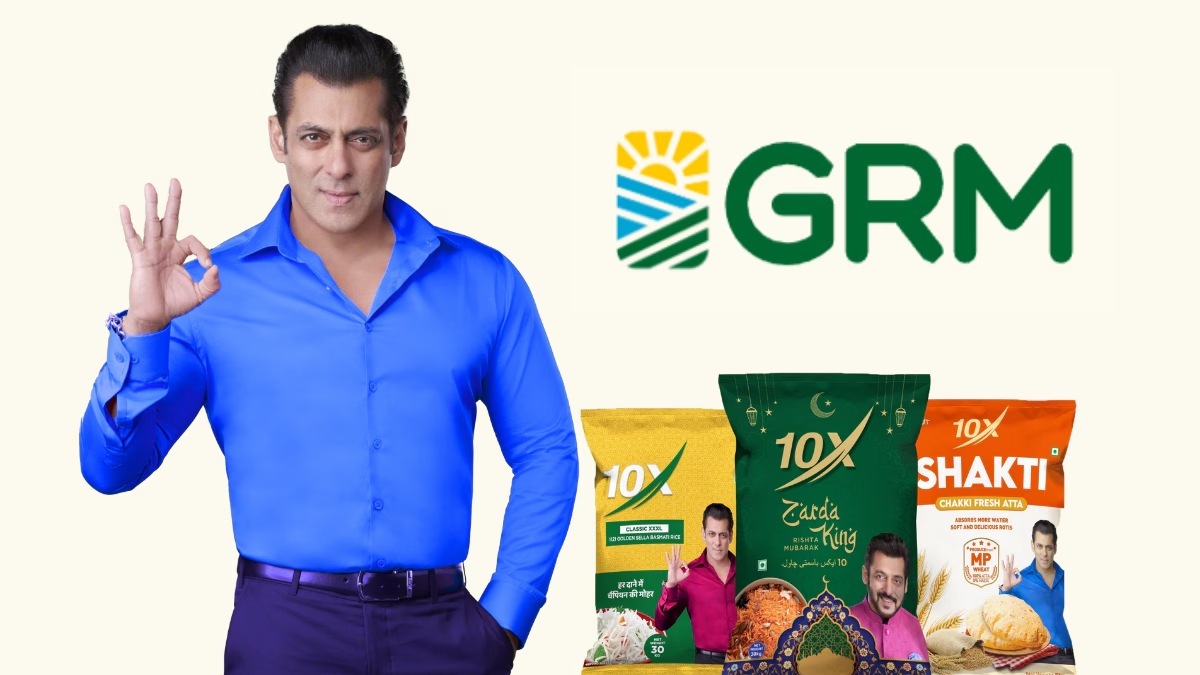
GRM Overseas Ltd Q2FY26 – From Basmati to Bonus: 2:1 Splits, 3 Continents, and a Plate Full of Profits
1. At a Glance
Welcome to the most fragrant balance sheet in India — GRM Overseas Ltd (BSE: 531449, NSE: GRMOVER), the ₹2,986 crore basmati exporter that’s making investors hungrier than a Diwali dinner. As of 21st November 2025, the stock trades at ₹487, marking a sizzling 146% gain over the past year — proof that even rice can become high-growth tech if you package it right.
In Q2FY26, the company cooked up ₹372.1 crore in revenue, a 14.9% YoY rise, with PAT ₹14.8 crore, shooting 60.6% higher YoY. OPM stood at a decent 6.2%, and the company flaunts a Debt-to-Equity ratio of just 0.44, giving it enough headroom to season its growth without financial indigestion.
With a stock P/E of 44x, GRM trades like a glamour stock, not a food processor — but then again, this is no ordinary rice trader. Between UK subsidiaries, US arms, and Salman Khan as brand ambassador, this Panipat-based grain grinder has transformed into a global FMCG aspirant with “10X” ambitions.
And the latest garnish? A 2:1 bonus issue and authorized capital jump to ₹45 crore, because nothing says “confidence” like a corporate fireworks display right before Christmas.
2. Introduction
Once upon a time, rice exporters lived quietly in Haryana, measuring success in tonnes, not tweets. Then came GRM Overseas Ltd, which decided to mill, brand, and sell basmati like Apple sells iPhones. Today, GRM is India’s third-largest rice exporter, shipping to 42 countries while rebranding itself from a commodity business to a full-blown consumer goods empire.
From the smell of basmati to the buzz of celebrity marketing, GRM is living proof that rice can also trend on Instagram. The company’s flagship brand “10X” now covers everything from basmati rice, atta, and edible oil to ready-to-cook biryani kits and spices. Basically, if it belongs in an Indian kitchen, GRM wants its logo on it.
Domestically, the brand rides through GRM Foodkraft Pvt Ltd, while its international innings are played through GRM Fine Foods Inc. (USA) and GRM International Holdings (UK). The company’s transformation from a bulk exporter to an FMCG contender has been steady, spicy, and surprisingly sustainable — at least so far.
And while you were still deciding between Hyderabadi or Lucknowi biryani, GRM was signing distribution tie-ups with Walmart, Carrefour, Tesco, Flipkart, and BigBasket, making it equally comfortable in both aisles — kirana and global retail.
So, is GRM really a rice company anymore? Or is it slowly becoming India’s next FMCG disruptor? Time to dig into the numbers — one grain at a time.
3. Business Model – WTF Do They Even Do?
Think of GRM Overseas as the love child of a rice mill and a marketing agency. It milles, processes, packages, and markets basmati and non-basmati rice under multiple brands across price points — from Himalaya River (premium exports) to 10X (mass market domestic).
But the business is no longer just about rice. GRM has cooked up an entire FMCG buffet:
10X Rice: Everything from Classic Sella to Biryani King — because every region in India believes its biryani is superior.
10X Spices: Masalas that make you sneeze your way to culinary glory.
Tanoush: Organic, emperor-grade rice for the health-conscious NRI.
Ready-to-Cook Kits: From Hyderabadi to Mughlai biryani — for those who want home-cooked aroma without home-cooked effort.
10X Shakti Mustard Oil: Launched in FY25, under GRM Foodkraft — because no Indian FMCG portfolio is complete without mustard oil.
And then there’s the distribution empire — 200+ global distributors, 1,800+ overseas stores, 1,03,000+ kirana outlets, and e-commerce tie-ups with every app that delivers food or groceries faster than you can boil rice.
With processing plants in Panipat, Naultha, and Gandhidham, a 1.75 lakh sq. ft warehouse, and 1,400 MT/day sortex capacity, GRM runs an industrial kitchen that never sleeps.
So yeah, they started with rice — but they’re slowly building a mini-ITC, without cigarettes and with a better conscience.
4. Financials Overview
Quarterly Comparison Table (Consolidated ₹ Cr)
Metric
Q2FY26
Q2FY25
Q1FY26
YoY %
QoQ %
Revenue
372.1
323.9
327.0
14.9%
13.8%
EBITDA
24.5
15.2
24.0
61.2%
2.1%
PAT
14.8
9.2
19.0
60.6%
-22.1%
EPS (₹)
2.41
1.53
3.11
57.5%
-22.5%
Annualised EPS (latest) = 2.41 × 4 = ₹9.64 P/E based on CMP