1. At a Glance
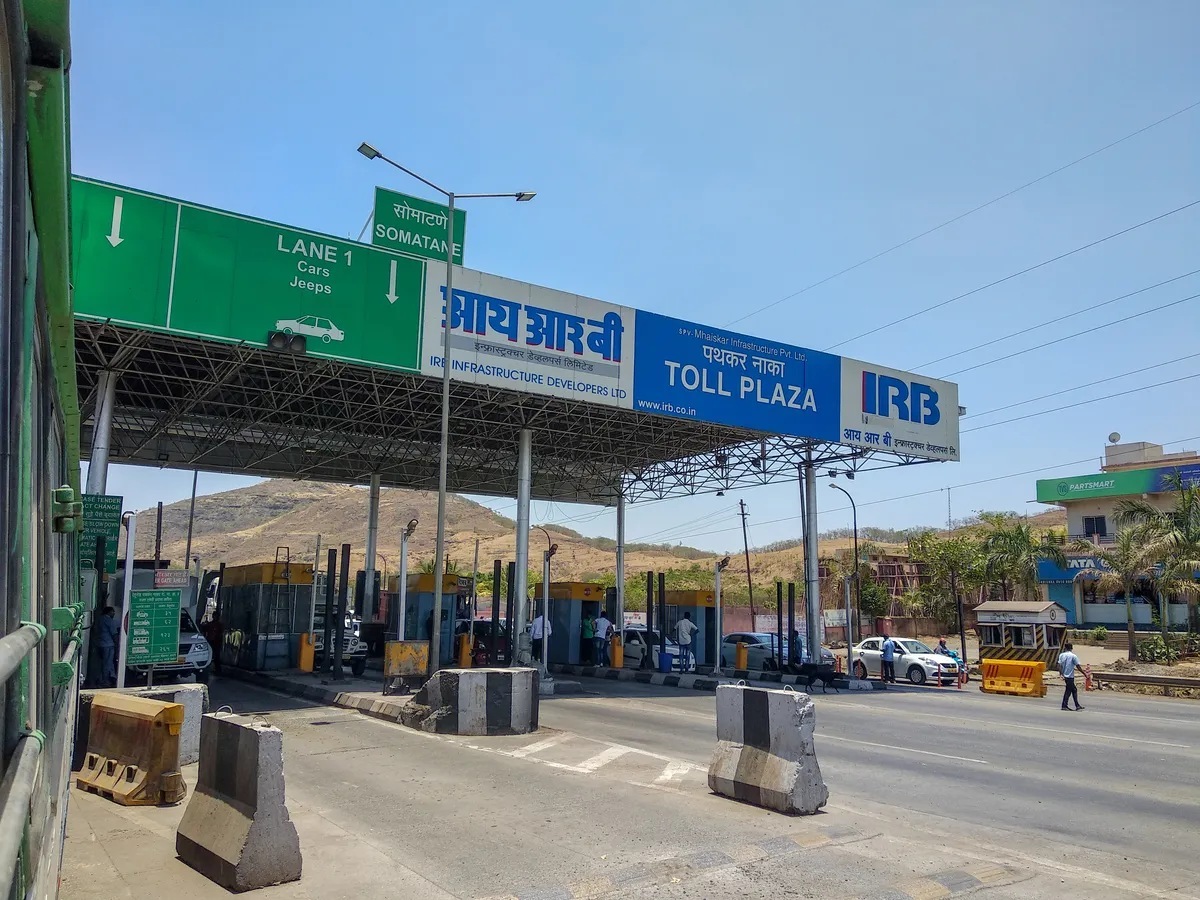
Some companies construct roads. IRB Infrastructure Developers Ltd builds highways—and occasionally drives over its own investors. With a market cap of ₹25,944 crore, stock price at ₹43, and a P/E of 29.6, this toll-booth tycoon runs India’s largest road BOT empire. From managing 12,506 km operational and 2,938 km under construction, to collecting ₹682 crore in October toll revenue (up 9% YoY), IRB has turned the art of toll collection into a divine ritual.
The Q2 FY26 results were nothing short of an expressway ride — Revenue ₹1,751 crore, PAT ₹141 crore, and an OPM of 53%. That’s higher than your favourite FMCG brand’s margin but achieved through asphalt, concrete, and patience at NHAI toll plazas.
The Bhagavad Gita says, “Karmanye vadhikaraste ma phaleshu kadachana” — do your duty, not for the fruits. But IRB apparently believes, “Collect your tolls, and the fruits (and annuities) shall follow.”
2. Introduction
If there were a stock market award for persistence in the face of bureaucracy, delayed land acquisition, and the occasional pothole, IRB would win it hands down. This is the same company that started as a construction contractor, graduated to a Build-Operate-Transfer (BOT) pioneer, and now plays puppeteer to not one, but two InvITs—the Public InvIT and the Private IRB Infrastructure Trust.
IRB’s story is the desi version of “Fast & Furious,” except the cars are trucks, and instead of Vin Diesel, we have Virendra Mhaiskar, a man who can probably calculate toll collection rates in his sleep.
Despite India’s infrastructure boom, the last six months have been a speed bump — the stock has fallen 13.6% in 6 months and 4.45% in 3 months, as investors got nervous about leverage (Debt ₹20,852 crore, Debt/Equity 1.02). But IRB’s ROCE of 7.82% and ROE of 5.91% say the wheels are turning, just not spinning out profits fast enough.
Still, with a TOT-17 project worth ₹9,270 crore just bagged and ₹6,481 crore FY25 net profit (yes, you read that right — mostly due to arbitration & InvIT income), IRB remains India’s toll-road overlord.
3. Business Model – WTF Do They Even Do?
IRB’s business model is deceptively simple: build roads, collect tolls, repeat till eternity—or till NHAI changes policy.
They operate across two main segments:
- Construction & Development (67%) – The core business. IRB designs, builds, and develops highways. With the ability to construct 500–600 km simultaneously, they’re basically the infrastructure equivalent of a factory on steroids.
- BOT/TOT Operations (32%) – The “annuity” arm. Here, IRB becomes the landlord of India’s highways, collecting tolls and maintaining them over concession periods of 15–20