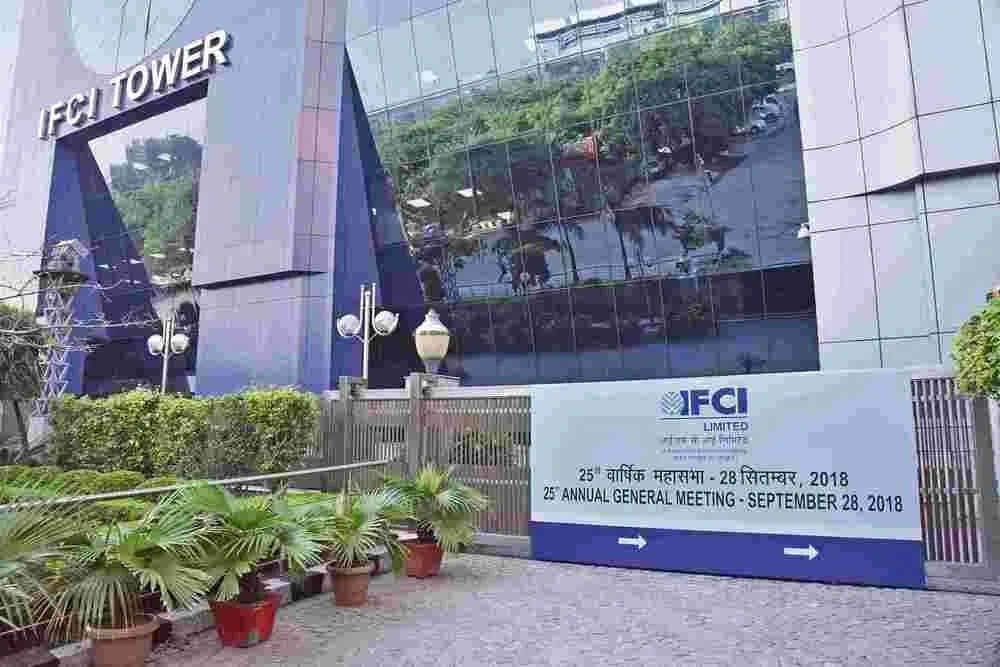
1. At a Glance
Once the grand financier of India’s industrial dreams, IFCI Ltd now resembles that one retired uncle who still wears a tie to family dinners and insists he’s “still in business.”
At ₹54.7 a share and a market cap of ₹14,743 crore, this government-owned NBFC has spent 77 years lending to airports, roads, power plants, and more recently—to its own patience.
For Q2 FY26, revenue hit ₹732 crore, up 18.7% YoY, while PAT zoomed 71.8% YoY to ₹143 crore. Impressive, except for one tiny footnote: Gross NPAs are still ₹3,597 crore, and CRAR is sitting at a cool –21.32%, meaning technically, IFCI’s capital adequacy ratio is having an existential crisis.
The Government of India just infused ₹500 crore through fresh equity allotment, keeping the ventilator running. The new CFO, Chirag Sapra, has the unenviable job of turning a legacy lender into a sustainable advisory house.
As the Bible says, “Faith without works is dead.” IFCI seems to have found the faith (thanks to GoI), now all it needs is the works (thanks to actual lending).
2. Introduction
If you ever wanted to see the financial equivalent of a once-famous Bollywood actor doing cameos in government-backed remakes — look no further than IFCI.
Founded in 1948 as the Industrial Finance Corporation of India, this institution once wrote the cheques that built India’s first power plants, ports, and telecom lines. Now it mostly writes press releases about recoveries and advisory assignments.
After decades of lending sprees and industrial heartbreaks, IFCI looks more like a rehab clinic for bad loans than a financier. Between FY21 and FY23, its gross NPAs dropped from ₹8,009 crore to ₹5,835 crore — improvement, yes, but still the kind of number that makes rating agencies reach for their inhalers.
To its credit, the company has pivoted — fewer loans, more advisory. The new business model focuses on corporate finance, syndication, and ESG advisory. The FY23 recovery figure of ₹714 crore may not sound like much, but for a company that stopped disbursing new loans for two years, that’s practically a comeback tour.
Yet, IFCI’s Q2 FY26 results show flickers of life — profits returning, debt slashed to ₹3,507 crore, and government equity infusions that keep the lights on. Whether this old lion can roar again or just purr into a PSU sunset — that’s the story.
3. Business Model – WTF Do They Even Do?
Picture a bank, but one that doesn’t take deposits, doesn’t really lend anymore, and spends a lot of time recovering from its past. That’s IFCI.
Its revenue mix tells the tale:
- Interest Income – 18% (from old project loans still limping on)
- Dividend Income – 23% (from stakes in old investments like ICRA, NSE, etc.)
- Fee & Commission – 27% (advisory work for corporates and government)
- Services – 23% (everything