1. At a Glance
Once a manufacturing relic from 1931, GKW Ltd has reinvented itself into an odd cocktail of warehousing landlord and investment fund, topped with a legal garnish of ₹3,256 lakh stamp-duty headache. With a market cap of ₹1,066 crore and a current share price of ₹1,785, GKW looks like a “vintage penny stock wearing a Gucci suit.” Despite zero debt, the company still managed a loss of ₹15.6 crore in Q2 FY26, because—apparently—making money is optional when your land is worth more than your P&L.
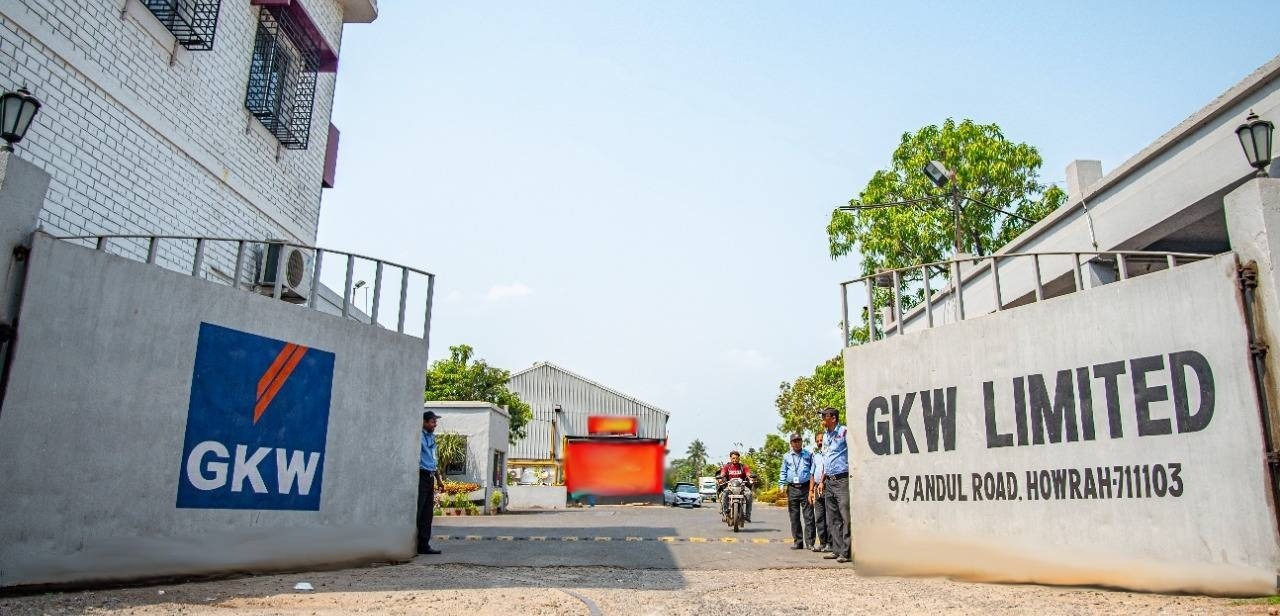
The warehousing arm runs sheds and logistics near Kolkata (Andul, Howrah), while the investment and treasury business is a polite way of saying “we live off dividends and fixed deposits.” FY24’s revenue mix was roughly 29% from warehousing rent and 61% from investments. But the latest quarter paints a grimmer picture—sales fell 25% QoQ and the loss ballooned 333%. ROE and ROCE? Both negative, of course. Who needs efficiency when your land parcel is doing the heavy lifting?
Stock trades at 0.4x its book value (₹4,332 per share), suggesting the market values its assets like a discounted Mumbai redevelopment deal.
2. Introduction
Once upon a time in 1931, when India hadn’t even got its freedom, GKW Ltd was born. Back then, it made nuts, bolts, and industrial goods. Fast forward nearly a century later — the machines are silent, the smoke stacks are gone, and what remains is a vast empire of idle land parcels and an investment portfolio that’s fancier than a family office.
If Warren Buffett had grown up in Howrah, he might have turned GKW into a similar setup — rent out your godowns, sit on acres of land, and collect dividends while sipping cha by the Hooghly. Sadly, the GKW story feels less like “value investing” and more like “warehousing survival.”
The company’s two-part act is simple:
- Part One: Collect rent from its massive Andul-Howrah warehouse complex, a prime industrial zone just outside Kolkata.
- Part Two: Earn interest and dividends from its ₹300+ crore investment book.
However, in FY25 and FY26, the company’s P&L decided to take an extended vacation. Revenue stagnated, profits evaporated, and operating margins went negative (-69.3% FY25). You’d think a debt-free company sitting on crores of real estate couldn’t lose money. Think again.
Still, GKW’s management found a new plot twist — literally. In November 2024, they signed a joint development agreement (JDA) with Mahindra Lifespace’s subsidiary, Anthurium Developers, to transform their 37-acre Bhandup (Mumbai) property into a 3.6 million sq. ft. mixed-use urban project. Because when your income dries up, why not turn into a real estate mogul?
3. Business Model – WTF Do They Even Do?
GKW today is like that ex-industrialist uncle who sold his factory, bought land in Mumbai, and now calls himself a “logistics entrepreneur.”
Let’s decode this business model in desi terms:
a) Warehousing Segment:
GKW owns prime warehousing assets in Howrah, offering integrated logistics and storage solutions. Think long sheds, forklifts, and enough empty space to park all of Kolkata’s Durga Puja idols off-season. They lease it out, collect rentals, and occasionally spend crores refurbishing sheds or building internal roads.
They even added transformer capacity and upgraded internal roads in FY24 — a polite way of saying “we fixed the wiring and paved the driveway.”
b) Investment & Treasury Segment:
This is GKW’s