1. At a Glance
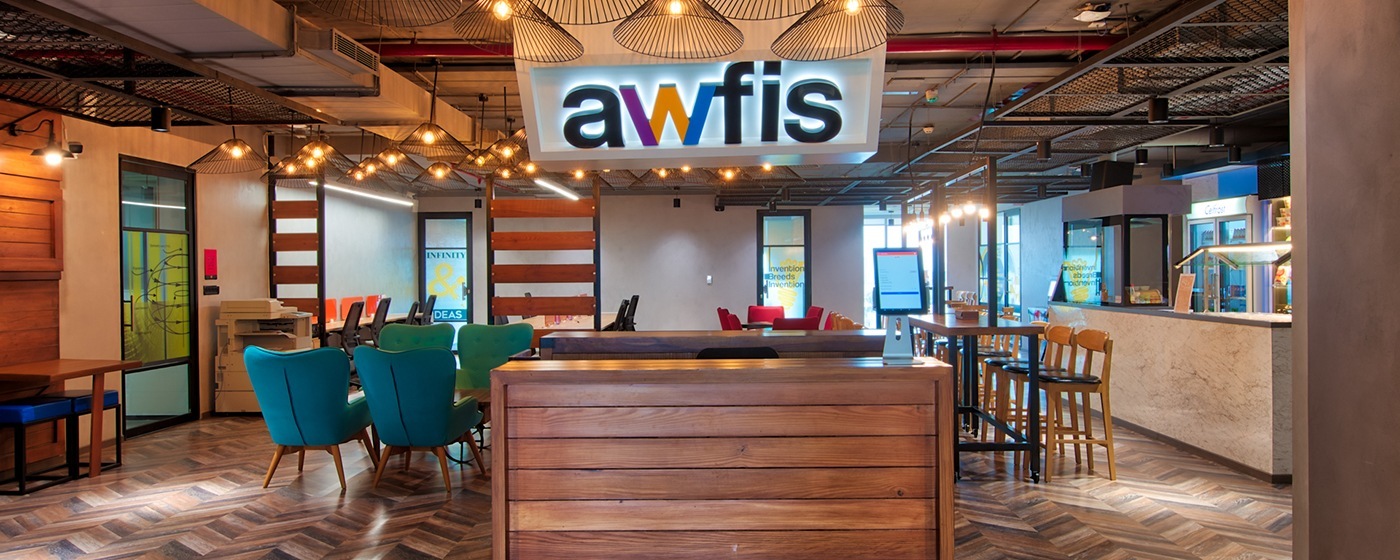
Picture this: a startup that began renting out cool desks and now commands a ₹4,142 crore market cap. That’s Awfis Space Solutions Ltd — India’s poster child of the “I-don’t-want-a-boring-office” generation. With 208 operational centers, 134,000+ seats, and a presence in 18 cities, Awfis isn’t just a co-working brand anymore — it’s a pan-India office ecosystem that even eBay trusts for its 67,000 sq ft innovation hub in Bengaluru.
The latest quarter (Q2 FY26) was another flex for the company: revenue jumped 25.5% YoY to ₹367 crore, operating profit rose to ₹132 crore, and PAT hit ₹16 crore — up nearly 9% QoQ despite rising costs. The EBITDA margin stayed a comfortable 36%, showing that even in the workspace business, efficiency is the new cool.
At ₹579 per share (down 8.3% intraday), the stock trades at a spicy P/E of 80.7, implying the market still believes in the “future of work” gospel. But with debt piling up to ₹1,451 crore and promoter holding slipping to just 17%, the big question is: is Awfis becoming India’s WeWork… or India’s answer to it?
2. Introduction
When Awfis Space Solutions was born in December 2014, office cubicles across India collectively shivered. Suddenly, you could book an office desk like a movie ticket — for an hour, a week, or forever (well, till your Series A runs out).
Fast forward to FY25–26, and Awfis isn’t just another co-working startup. It’s India’s largest and fastest-growing flexible workspace provider, spanning 8.4 million sq. ft across 243 centers (including under-fit-outs). From Tier-1 metros like Mumbai and Bengaluru to Tier-2 charmers like Guwahati and Lucknow, Awfis has turned “I’ll work from home” into “I’ll work from anywhere… that serves cappuccino.”
But here’s the catch — unlike the global WeWork saga that burned billions faster than an intern making chai, Awfis actually makes money. Not a lot, but enough to say “we’re not broke.” With ₹1,359 crore in TTM revenue, ₹51 crore in profit, and 35% operating margins, Awfis has managed to monetize flexibility — something most corporate HR teams still struggle with.
So, what keeps this machine running? The secret sauce: the Managed Aggregation model (MA), a clever trick that shifts capital expenditure onto developers while Awfis pockets management fees and revenue shares. Add a pinch of brand power, a dollop of tech-backed booking systems, and voilà — India’s flexible workspace king is ready for prime time.
3. Business Model – WTF Do They Even Do?
Let’s be honest. Co-working sounds simple — desks, coffee, Wi-Fi, repeat. But Awfis built an entire ecosystem around this idea.
a) Managed Aggregation (MA) Model:
This is the money-smart model. Here, Awfis partners with landlords who fund part or all of the fit-outs. In return, Awfis guarantees a minimum revenue share. The magic? Low capital expenditure — just ₹50,000 per seat, compared to ₹80,000–₹200,000 for rivals. Basically, Awfis runs the office without owning the pain.
b) Straight Lease (SL) Model:
In this traditional model, Awfis pays fixed rent — whether clients come or not. Around 65% of its spaces still follow this. It’s like Netflix paying studios before knowing if anyone will actually watch the movie.
c) Awfis Ecosystem:
The company’s portfolio extends far beyond desks:
- Awfis Café: Coffee that tastes better when you don’t pay for the internet.
- TechLabs: Spaces customized for digital companies.
- Awfis Transform: Design and fit-out services — now spun into a subsidiary.
- Eco Mobility tie-up: For premium transport — because nothing says “corporate hustle” like arriving in an Awfis cab.
Revenue breakup says it all