1. At a Glance
Indian Hume Pipe Co. Ltd (IHP) — the 99-year-old granddaddy of India’s water infrastructure scene — just dropped its Q2FY26 numbers, and surprise, it’s still cashing cheques by laying pipes (literally). The company reported revenue of ₹365 crore and PAT of ₹35 crore, flexing a PAT growth of 161% YoY — proof that even dinosaurs can sprint when land deals are involved.
At a current price of ₹372 and market cap of ₹1,960 crore, the company trades at a P/E of 18.4x — cheaper than a Mumbai pothole tender, but pricier than a regular steel pipe. Despite sluggish sales growth (-1.69% over 5 years), the stock is still delivering long-term joy: 33% return over 3 years. However, with promoters pledging 30.7% of their holdings, one might wonder if the company’s pipes are carrying water or debt pressure.
From ₹3,469 lakh PAT this quarter to ₹499 crore of “other income” last year, the real headline is that IHP’s land monetisation has become more profitable than its pipes. It’s a company where “turnkey projects” sometimes mean “turn the key, sell the land, book the gain.”
2. Introduction
Once upon a time (1926, to be exact), the British were ruling India, and Indian Hume Pipe was busy helping them build pipelines. Nearly a century later, the British are gone, but IHP is still there — laying water pipes, building sewer systems, and occasionally, selling prime land in Pune and Bengaluru like a savvy real estate investor with engineering habits.
In FY25, the company booked an exceptional ₹545 crore gain from a land sale — that’s more than the entire operating profit of its core business for multiple years combined. Imagine an EPC contractor with the soul of a property broker; that’s Indian Hume Pipe today.
Its client list is straight from the bureaucratic who’s who: State Water Boards, Indian Railways, BHEL, RITES, L&T, and NCC — basically anyone who loves tenders and delayed payments. The company’s high working capital cycle (159 days of debtors) is less of a red flag and more of an Indian Government payment timeline joke.
In short, Indian Hume Pipe is that old government contractor who has seen every tender, every minister, and every delayed cheque — yet somehow, every quarter, it’s still here, sipping tender tea and cashing dividend cheques.
3. Business Model – WTF Do They Even Do?
Let’s decode this.
Indian Hume Pipe operates in two broad segments:
- EPC Contracting – The real meat (and masala) of the business. This includes designing, manufacturing, laying, and commissioning pipelines for drinking water, irrigation, sewerage, and even hydro projects. Think of them as the plumbers for entire states.
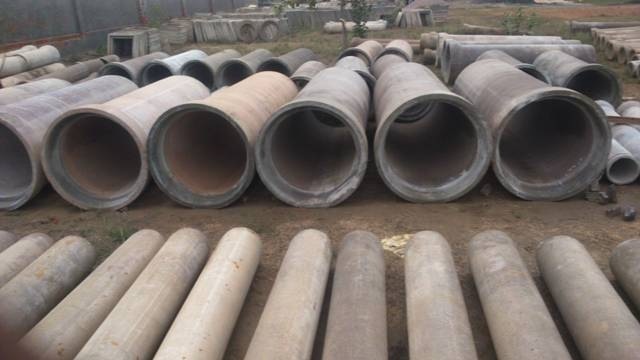
- Manufacturing & Sale of Pipes & Sleepers – From Bar Wrapped Steel Cylinder (BWSC) pipes to Prestressed Concrete Cylinder (PCCP) pipes, they build infrastructure-grade plumbing that you’ll never see but will rely on every day. They also make concrete railway sleepers, because what’s a pipeline company without a side hustle in trains?
While the pipe manufacturing contributes less than 10% of revenue, the company’s EPC and turnkey projects dominate. And in India’s great government pipeline schemes — Jal Jeevan, irrigation, AMRUT — there’s always a pipe (and an IHP) waiting to be laid.
They’ve also been rolling out new-generation pipes to replace metal ones, setting up plants in Telangana, Andhra Pradesh, Dhule, and Walwa (Maharashtra). With 19 factories and 17 project offices across India, this is an infrastructure veteran that has quietly cemented (pun intended) its position.
Oh, and when not building pipelines, they’re signing MOUs with Kalpataru Ltd to develop their land — because apparently, water isn’t the only