1. At a Glance
Oh, Servotech — the stock market’s once-electric darling that now feels like it’s running on a half-charged battery. The ₹2,387 crore company, currently trading at ₹106 (down nearly 45% from its ₹192 high), just reported a shocking 91% QoQ crash in profit in Q2FY26. Yes, you read that right — nine-one percent.
The September 2025 quarter (Q2FY26) saw revenue of ₹10,765.68 lakh (₹107.6 crore), but net profit nosedived to ₹39.51 lakh. That’s not a typo — it’s what happens when your EV charger business takes a power nap and your solar orders are still waiting for the sun to rise. Despite this, the company flexes a P/E of 87.8, a ROCE of 20.8%, and an ROE of 19% — proof that markets sometimes run on emotion, not math.
EV Charger DC (41%) and AC (21%) still drive the business, with OEM sales (21%) and solar (15.5%) adding flavor. With 26% of all EV chargers in India wearing the Servotech badge, it’s hard to call them small fry. Yet, with PAT margins barely hitting 2% this quarter, it seems even their chargers couldn’t jumpstart the bottom line.
But let’s not unplug just yet — because beneath the chaos is a story of ambition, expansion, and a CEO who’s got more subsidiaries than most people have relatives.
2. Introduction – The Shock That Tripped the Circuit
In the chaotic world of renewable energy, Servotech Renewable Power System Ltd (Servotech Renew, for the cool kids) sits somewhere between a tech start-up and a jugaadu engineer with a solar dream. Established in 2004, this Gurugram-based company decided to take on everything — EV chargers, solar panels, LED lighting, batteries, and even sports sponsorships. Because why not?
At ₹106 per share, investors are divided — half praying for the next multi-bagger phase, the other half checking if they can use their Servotech EV charger to recharge their portfolios.
The last few years were wild. Between FY20 and FY25, revenue shot from ₹86 crore to ₹533 crore. Profit? From ₹1 crore to ₹27 crore. That’s a 108% profit CAGR — the kind of number that makes retail investors believe in renewable miracles. But Q2FY26 has been a rude awakening.
While the company keeps winning government tenders (UPNEDA, Indian Railways, Northern Central Railway Agra Division — the list goes on), the margins are looking thinner than an e-scooter’s tire. Still, Servotech isn’t slowing down. It’s setting up subsidiaries faster than startups raise seed rounds — from EV infra to medical devices and even sports. Clearly, the company’s motto is: “If it moves, we’ll make a charger for it.”
3. Business Model – WTF Do They Even Do?
Servotech’s business model is like a thali — you get everything: solar, EV, LED, and a side dish of R&D. Let’s unpack this buffet.
EV Chargers (62% of revenue):
This is where Servotech shines — or used to. They produce both AC and DC chargers, catering to home setups, commercial EV hubs, and government infrastructure. Out of 25,000 registered EV chargers in India, 7,000 are Servotech’s. That’s a 26% market share — enough to make Tata Power EV blush.
Solar Division (15.5% of revenue):
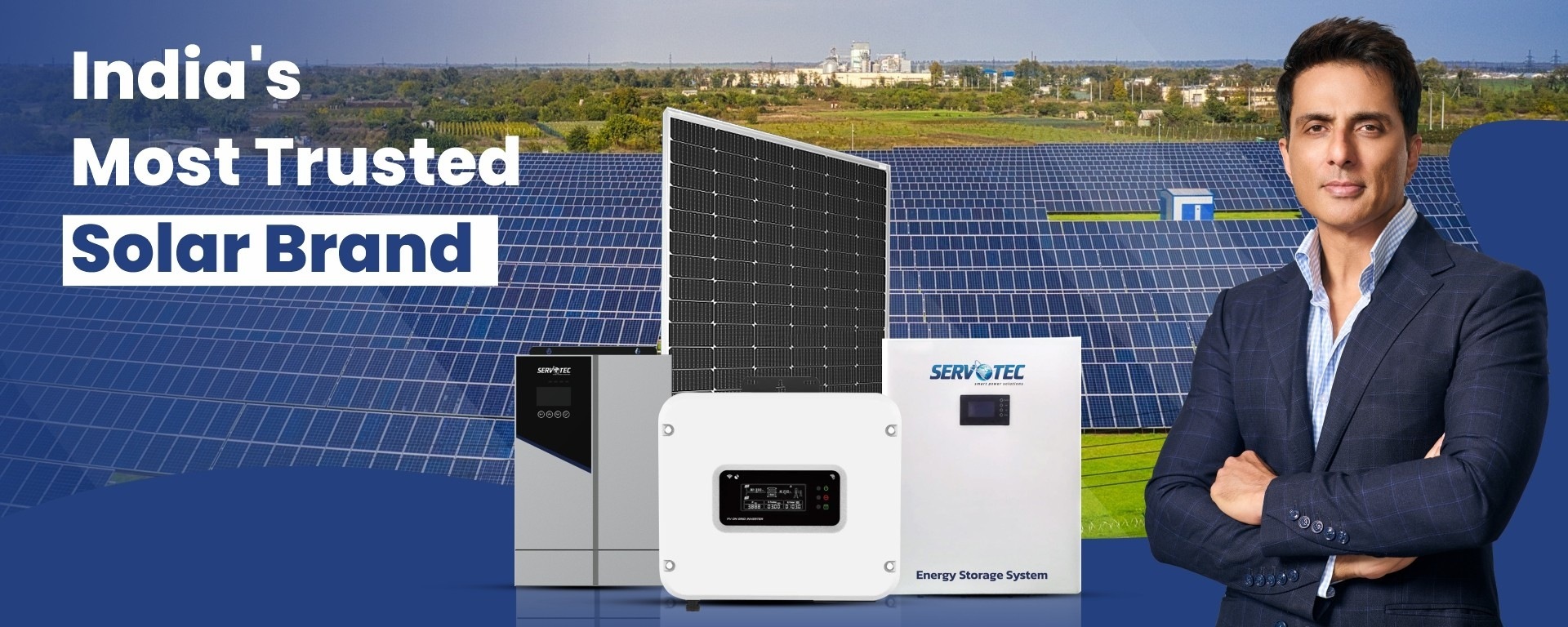
From panels to rooftop PV systems, Servotech’s solar business is gaining speed, especially with government contracts like the ₹2 MW UPNEDA order and multiple railway projects. The company’s 43 MW solar wins in H1FY26 show ambition that could one day make them a mid-tier solar powerhouse.
LED & Power Solutions (1.5%):
Once their bread