1. At a Glance
Associated Alcohols & Breweries Ltd (AABL) is living proof that in India, liquor may flow slower than bureaucracy — but it flows profitably. With a market cap of ₹2,216 crore, the company’s Q2FY26 results show it’s trying to balance a hangover from the previous quarter with a new ethanol buzz.
Revenue came in at ₹254 crore, down 0.3% QoQ, while profit after tax dipped 8.5% to ₹14 crore. But before you say “cheers to mediocrity,” remember — AABL still managed an OPM of 9%, an ROCE of 20%, and ROE of 17.3%. The P/E of 25.7x looks sober next to Radico Khaitan’s drunken 95x, proving that not all spirits are overpriced spirits.
The stock has been on a mild buzz: +13.5% in 3 months and +24% in 1 year, with the price sitting pretty at ₹1,168. Promoters have upped their stake to 61.2%, debt remains a light ₹75 crore, and the CRISIL rating is now A-/Positive.
In short: AABL is like that disciplined drinker who enjoys his Scotch but still drives home responsibly.
2. Introduction
There are liquor companies that make headlines for luxury launches and celebrity endorsements. And then there’s Associated Alcohols & Breweries — the quiet distiller from Madhya Pradesh that’s been spiking India’s GDP since 1989, one peg at a time.
Operating in the IMIL (Country Liquor) and IMFL (Indian Made Foreign Liquor) segments, the company commands a solid 20–25% market share in Madhya Pradesh, and has now expanded its drunken footprint to Kerala, Delhi, and West Bengal. You’ll find its brands in bars, dhabas, and weddings alike — proving that AABL is the great social equalizer.
And while most competitors are busy discussing “premiumization,” AABL decided to go full swadeshi: setting up a ₹150 crore ethanol plant to serve India’s fuel blending mission. Ethanol might not get you tipsy, but it sure gets the government’s attention — and that’s worth more than a whisky ad these days.
Recently, AABL even joined the premium club with Hillfort Blended Malt Whisky and Nicobar Gin, both already winning medals and headlines. The company’s strategy is clear — sell enough country liquor to the masses to afford gin for the classes.
So, what’s brewing inside this ₹2,000 crore distillery empire? Let’s soberly decode it.
3. Business Model – WTF Do They Even Do?
AABL operates in four verticals — each one catering to a different kind of Indian consumer:
- IMFL & IMIL (54% of 9M FY25 Revenue):
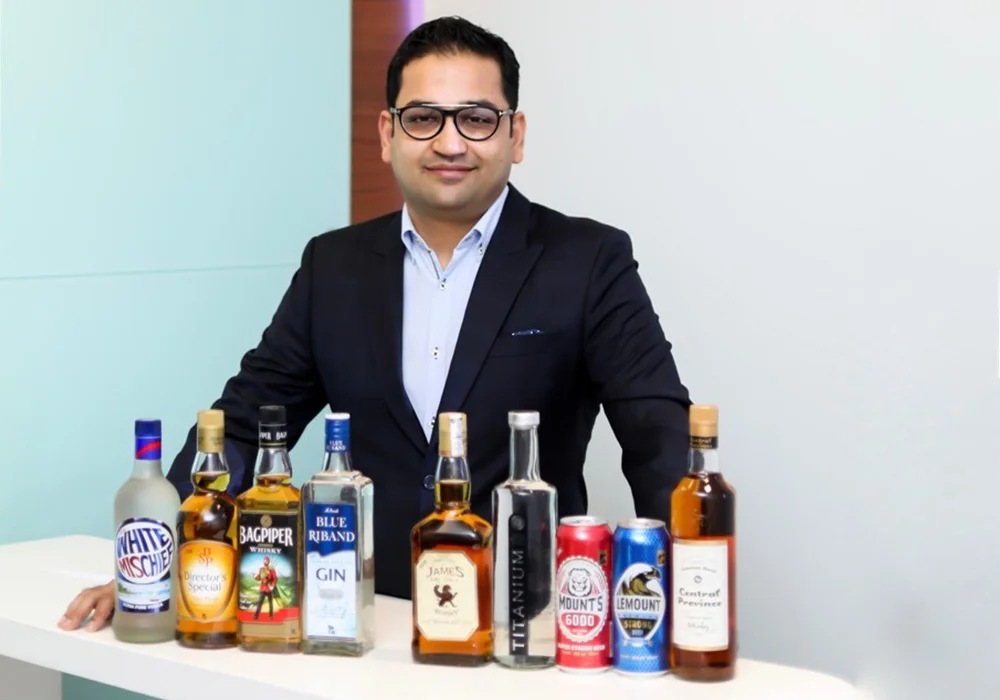
This is the bread, butter, and bottle opener of the company. Proprietary brands include Central Province Whisky, Jamaican Magic Rum, Superman Fine Whisky, and Hillfort Malt. It also manufactures global legends like Bagpiper and McDowell’s No. 1 under license. - Ethanol (24% of 9M FY25 Revenue):
Launched in January 2024, the ethanol plant in Barwaha is producing 28 million litres annually at ₹72/litre. The company now supplies directly to oil marketing companies — effectively turning booze into fuel, literally. - Merchant ENA (12% of Revenue):
AABL also sells Extra Neutral Alcohol (ENA) — the base for spirits — to other distillers. Think of this as “B2B booze,” where the margins are lower but the volume makes you giddy. - Others (10%):
Includes contract manufacturing for Diageo and sale of by-products like DDGS (used in cattle feed — even cows benefit from AABL’s business).
Essentially, the company is vertically integrated — from fermenting grain to bottling whisky. With 45 MLPA ENA capacity and 16 million annual case