1. At a Glance
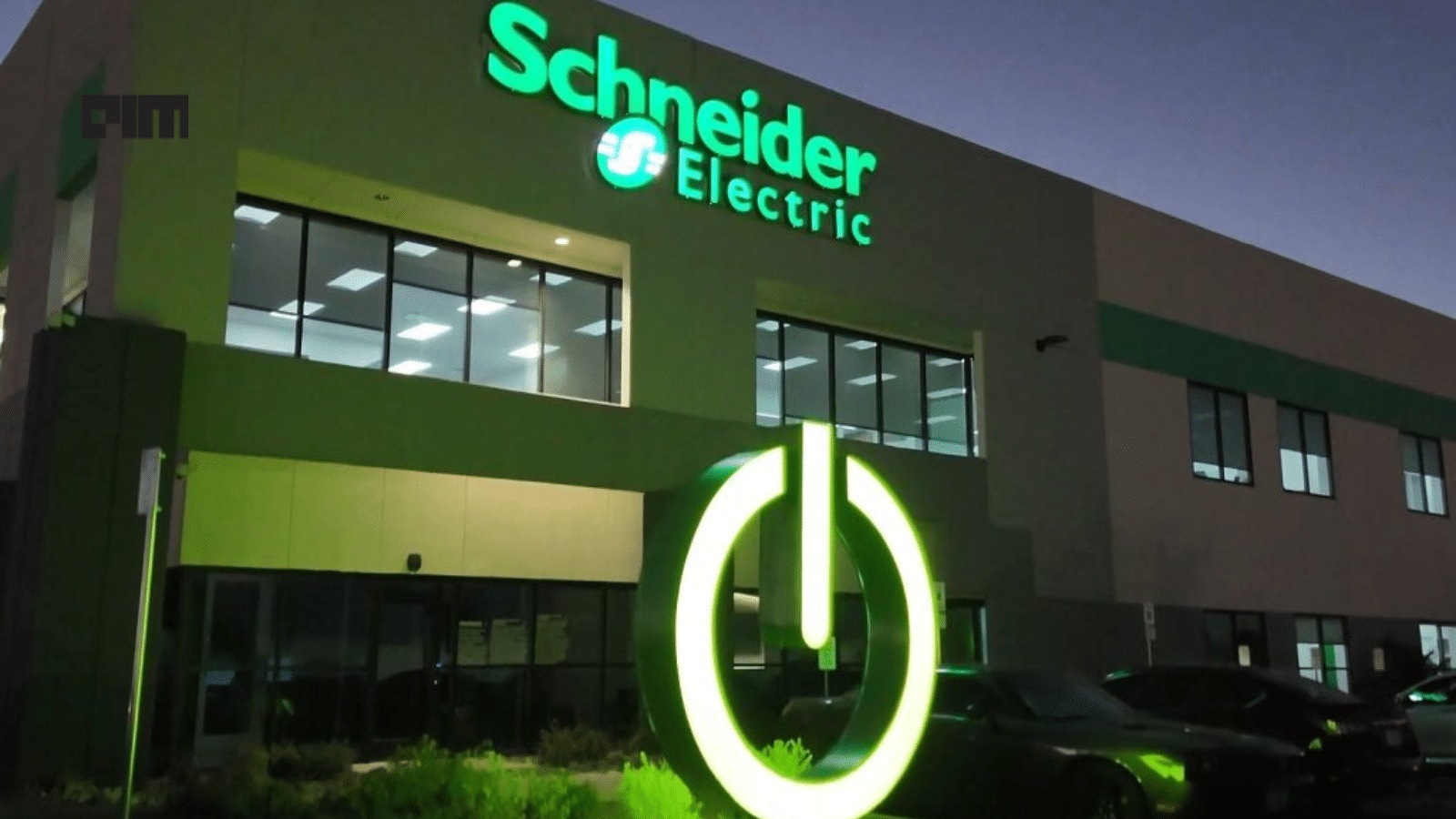
Welcome to Schneider Electric Infrastructure Ltd (SEIL) — the desi arm of the global energy giant that somehow manages to look both like a French engineering marvel and an Indian soap opera boardroom drama at the same time.
As of 7 November 2025, SEIL trades at ₹862, giving it a market cap of ₹20,609 crore. The stock, after a dramatic six-month rally (+41.7%), seems to be catching its breath with a 3-month decline of 7.8%.
With sales of ₹2,716 crore, PAT of ₹245 crore, and an EPS of ₹10.8, the company boasts a stunning ROE of 74% — which, frankly, sounds less like financial performance and more like the return rate on a Ponzi scheme (but relax, it’s all legal and audited).
The stock P/E sits at 84×, EV/EBITDA at a nose-bleeding 51.9×, and the price-to-book ratio of 31.3× makes it look like investors are paying for the logo, not the assets. Yet, the company’s ROCE of 40.9%, ROA of 14.5%, and zero promoter pledges keep it in the “expensive but efficient” category.
Quarterly sales rose 8.4% YoY to ₹650 crore, while net profit slipped 3.6% YoY to ₹52.3 crore — the classic “sales up, profits meh” season that CFOs love to explain on earnings calls right before they resign (more on that later).
2. Introduction
Picture this: an Indo-French joint adventure where transformers meet French finesse and Indian jugaad. Schneider Electric Infrastructure Ltd was born in 2011, when global energy giant Schneider decided that India needed more medium-voltage switchgears and fewer voltage shocks.
Over a decade later, SEIL is that cousin in every family who was broke for years, suddenly got a foreign job, and now posts “gratitude” updates on LinkedIn. For years, its balance sheet looked like an ECG of a heart attack victim — negative profits, heavy borrowings, and operating margins flatter than Delhi roads after the monsoon.
Then came the FY22-FY25 resurrection arc. From losses to record-breaking profits, SEIL’s turnaround story could put some start-up unicorns to shame. Revenues surged from ₹1,777 crore in FY23 to ₹2,716 crore TTM, while net profit zoomed from ₹172 crore to ₹259 crore.
But don’t be fooled by the shine — this isn’t a dividend-paying saint. The dividend payout ratio is a neat 0%, meaning management prefers to keep all the love (and cash) in-house.
So, what changed? Better execution, smarter cost control, new leadership, and — as always in India — a massive government push on electrification and infra spending. And now, with a planned ₹200 crore capex by FY27, SEIL wants to supercharge its manufacturing.
But is this a sustainable glow-up or a transformer about to overheat? Let’s plug in. ⚡
3. Business Model – WTF Do They Even Do?
If you ever wondered who makes the things that make your electricity behave, SEIL is your answer. The company designs, builds, and services everything between power generation and your light switch — think of them as the middlemen between the dam and your fan.
Their product portfolio includes:
- Transformers (the big iron monsters that hum louder than your neighbour’s generator),
- Primary & Secondary Switchgears,
- Protection and Differential Relays,
- Smart Grid Software Suites,
- and fancy e-Houses for smart city projects.
Basically, if there’s power transmission happening, Schneider is somewhere in the circuit, ensuring nothing explodes (hopefully).
Revenue comes from:
- Products & Services – 92%
- Projects – 7%
- Others – 1%
Geographically, 84% is domestic, while exports barely register — proving we’re still mostly electrifying ourselves before the world.
Key clients include heavyweights like Tata Projects, Ultratech Cement, BEL, IOCL, and Siemens. In other words, everyone who’s building, lighting, or wiring something big has Schneider lurking in their vendor list.
And yes, they’ve got four manufacturing units across Vadodara (2), Kolkata (1), and Chennai (1) — so if you’ve ever