1. At a Glance
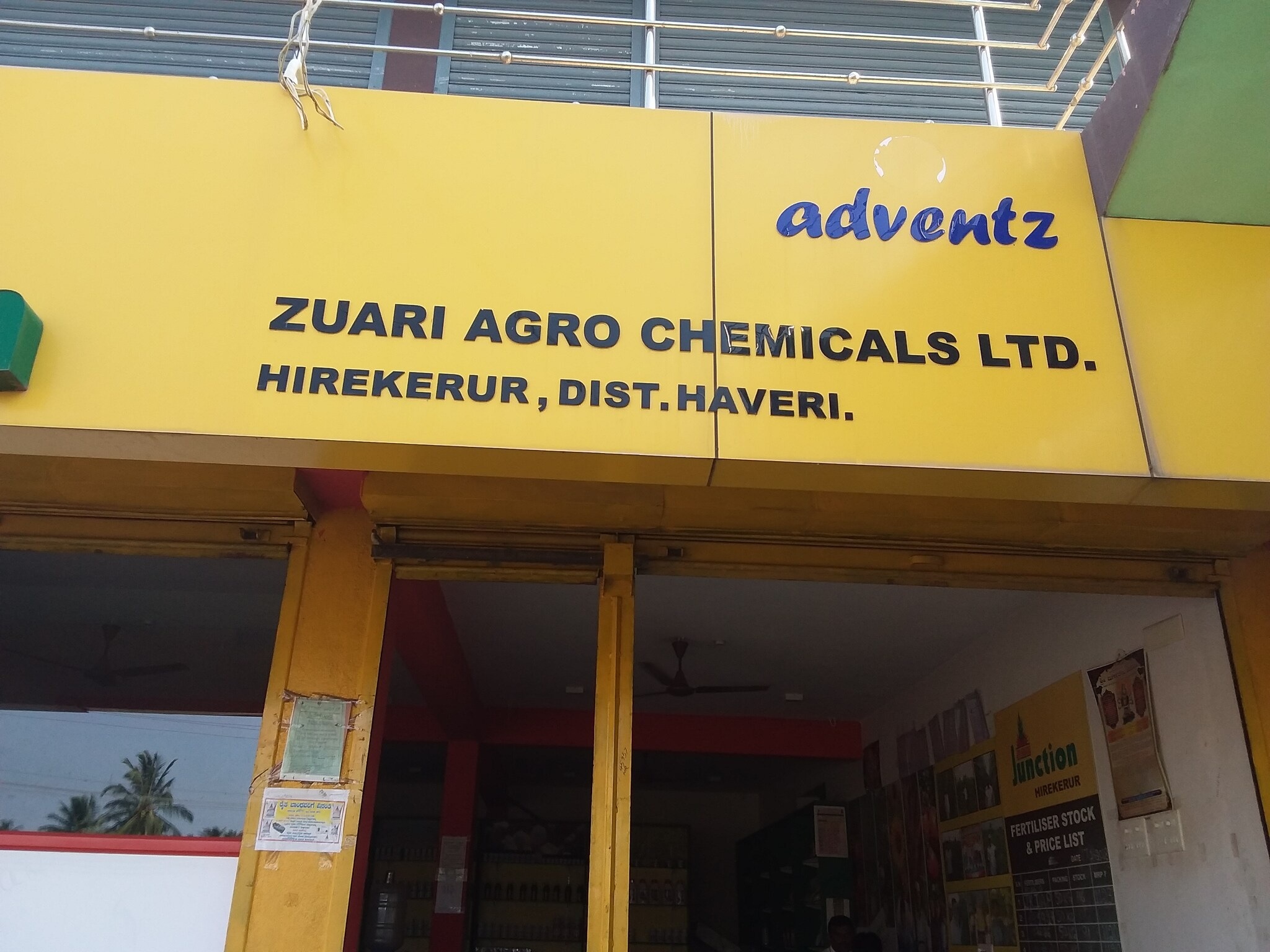
Zuari Agro Chemicals Ltd (ZACL), the grand old fertilizer arm of the Adventz Group, just pulled off a quarterly show that left analysts checking their calculators twice. For Q2 FY26, the company reported sales of ₹1,423 crore and a PAT of ₹840 crore, up a hilarious 112% YoY, helped by a mammoth ₹1,168.96 crore exceptional gain. The stock currently sits at ₹251, with a market cap of ₹1,055 crore, which means the market values the company at roughly one-fourth of its net worth — and probably even less than its land in Goa.
At a P/E of just 3.05 and book value of ₹602 per share, the valuation screams “why is this so cheap?” louder than a farmer shouting during fertilizer shortages. With ROCE at 12.7%, ROE at 9.06%, and debt-to-equity at 0.24, Zuari has turned from a debt-laden laggard to a balance sheet detox story. But as with all Adventz ventures, the plot always thickens — sometimes faster than urea dissolving in rainwater.
The recent quarter included the transfer of its Mahad SSP plant to Mangalore Chemicals & Fertilizers (MCFL) for ₹72.75 crore and sale of MCFL shares worth ₹418 crore to Zuari Maroc Phosphates Pvt Ltd. Between these transfers, slump sales, and “exceptional” gains, Zuari’s P&L looks more like a real estate and investment exit log than a fertilizer company.
Still, ₹840 crore profit in a quarter for a ₹1,000 crore company? Even nitrogen would blush at that growth.
2. Introduction
Imagine a company that once sold urea and SSP (Single Super Phosphate) to Indian farmers but today seems to mint profits by selling entire plants and subsidiaries. That’s Zuari Agro Chemicals — the fertilizer company that’s become more about fertilizing its balance sheet than the soil.
Founded way back in 1967, Zuari started as India’s dream of self-sufficiency in fertilizers. Over the decades, it has been through everything — joint ventures, slump sales, NCLT orders, and more corporate restructuring than your average family WhatsApp group after a wedding fight.
Zuari belongs to the Adventz Group, led by Saroj Kumar Poddar, whose portfolio also includes Texmaco, MCFL, and Paradeep Phosphates. The company produces complex fertilizers, SSP, and micronutrients under the “Jai Kisaan” brand — a name that ironically suits the farmers better than the shareholders who’ve waited years for meaningful returns.
But the last few quarters have changed the tone. From selling its Goa plant to Paradeep Phosphates for $280 million in FY22, to now transferring the Mahad SSP unit to MCFL, Zuari seems determined to simplify operations and focus on its profitable, core assets.
Of course, “core assets” here could mean either the fertilizer plants or their real estate — the line between the two has been blurring for years.
So, how did Zuari go from losses to ₹1,076 crore net profit in FY25 and ₹840 crore in Q2FY26? Let’s dig into the soil (and maybe the accounting notes).
3. Business Model – WTF Do They Even Do?
Let’s be honest: Zuari’s business model is as layered as a fertilizer bag that hides more air than nitrogen.
The company officially manufactures and markets complex fertilizers, Single Super Phosphate (SSP), and micronutrients. Its SSP brand, Jai Kisaan, dominates parts of Maharashtra and Karnataka. In FY23, Zuari sold 90,174 MT of SSP, and plans to push 1.25 lakh MT in FY24 — a 38% jump.
Apart from that, Zuari trades in fertilizers and raw materials, lending an extra dose of revenue volatility. Its FY23 revenue breakup tells the story:
- Finished products – 61%
- Traded products – 8%
- Interest income – 4%
- Profit on asset disposal – 23% (!!)
Yes, a fertilizer company made nearly a quarter of its FY23 income from