1. At a Glance
Once upon a time, this company was busy producing Hydrogen Peroxide, the bubbly stuff that bleaches half the paper industry. Now it spends its days earning rent and dividend income. Meet Naperol Investments Ltd (NIL)—formerly National Peroxide Ltd, now reincarnated as a patient investor with a 70% promoter tag from the Wadia Group.
As of 3rd November 2025, the stock trades at ₹914, down 13.8% over 3 months and 39% in a year—proof that even in investing, peroxide fizz fades fast. With a market cap of ₹526 crore, P/E of 54.6x, and book value of ₹2,055 per share, it technically trades at just 0.44x book—basically a Wadia family discount coupon.
The latest results? Q2 FY26 revenue ₹2.94 crore and PAT at a forgettable loss of ₹0.01 crore. H1 FY26 total income was ₹6.25 crore with PAT ₹6.7 lakh. The company’s return ratios (ROE 0.95%, ROCE 1.06%) are so low they could be mistaken for inflation rates. Yet it pays a 1% dividend yield, because even a bored balance sheet deserves celebration.
2. Introduction – When Hydrogen Met Holding Company
Few corporate transformations have been as poetic (and confusing) as National Peroxide morphing into Naperol Investments. Think of it like a scientist who gave up chemistry for day trading.
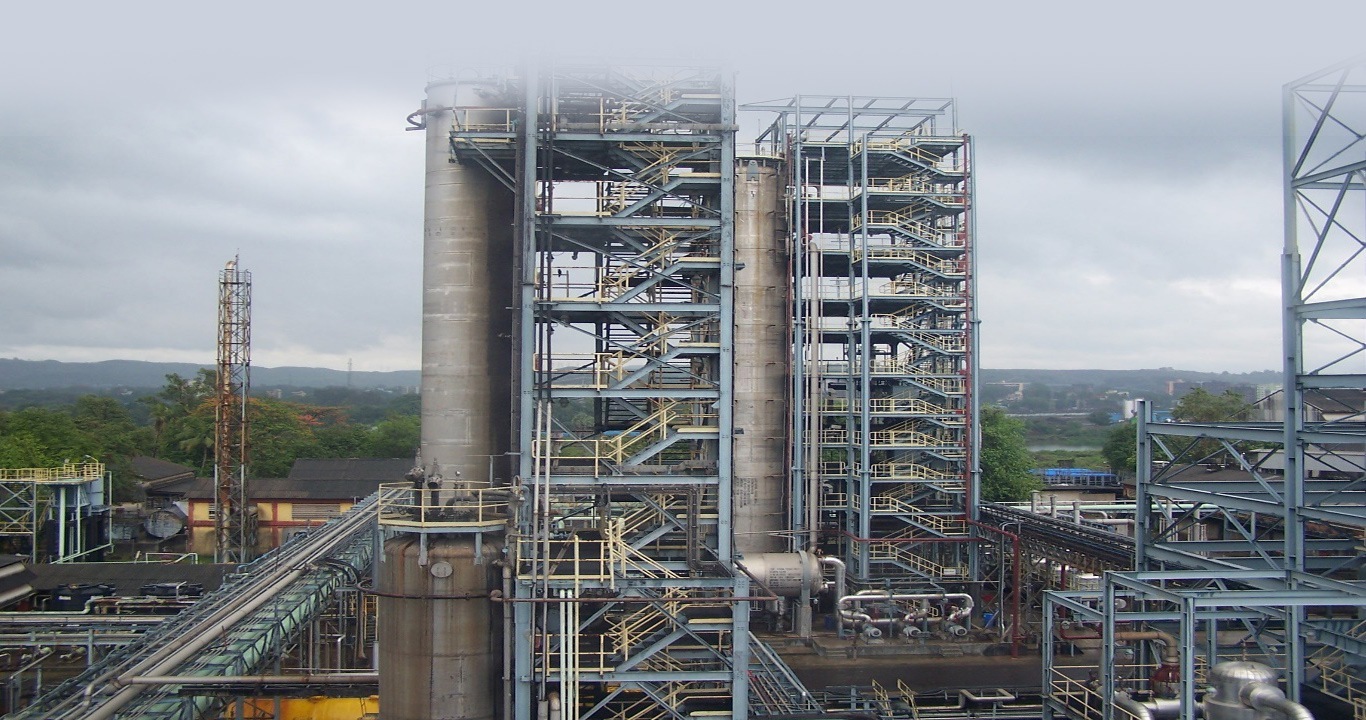
Once the largest manufacturer of Hydrogen Peroxide in India—with 1.5 lakh MTPA capacity at Kalyan—NPL was a chemical pioneer. Then came the Composite Scheme of Arrangement (2023) that split the business: the chemical division moved to NPL Chemicals Ltd, while the investment arm absorbed Naperol Investments. The result? A brand-new company whose primary occupation is earning dividends, rents, and fair value gains.
So yes, they still have “Peroxide” in their DNA, but the only thing reacting now is their P&L statement to market fluctuations.
In short: from bubbling hydrogen to fixed deposits, Naperol today is the corporate version of that IIT topper who now teaches meditation.
3. Business Model – WTF Do They Even Do Now?
Let’s simplify: Naperol is now an investment and leasing company. Its income pie is less “operations” and more “passive income goals.”
Revenue Composition (FY23):
- Rental Income from Investment Property – 53%
- Dividend Income – 42%
- Fair Value Gains – 1%
- Gain on Sale of Investments – 4%
Basically, half landlord, half portfolio manager, and zero factory.
But don’t underestimate its past life. It still owns stakes in Wadia Group companies like Britannia, Bombay Burmah, and Bombay Dyeing—making