1. At a Glance
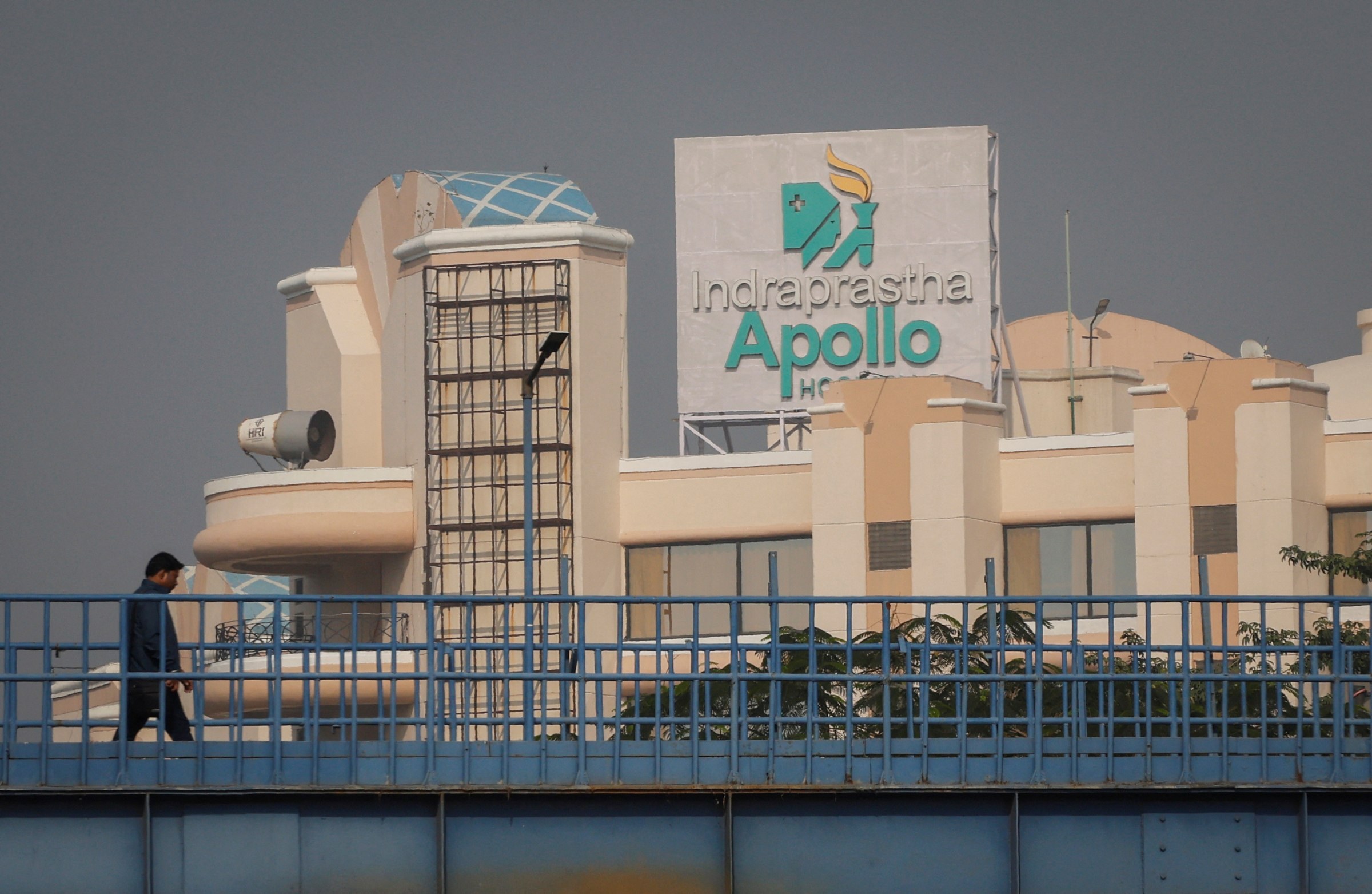
If hospitals had a “healthy” profit chart, Indraprastha Medical Corporation Ltd (IMCL) would be the fitness influencer of Delhi’s healthcare world — glowing, high on margins, and full of stamina. Born in 1988 as a joint venture between Apollo Hospitals and the Delhi Government, IMCL runs the massive Indraprastha Apollo Hospital in Sarita Vihar (718 beds) and a mini version in Noida (46 beds).
As of Q2 FY26, the stock sits pretty at ₹606, flaunting a market cap of ₹5,560 crore, P/E of 31.8x, and a ROCE of 39% that could make even Max Healthcare jealous. Revenue climbed to ₹381 crore, while PAT flexed ₹49.5 crore, showing 16.6% YoY profit growth on top of an 8.9% revenue bump.
And here’s the punchline: The company carries a debt of just ₹31 crore — the kind of balance sheet that makes auditors smile in their sleep. In a sector where others fight for every margin point, IMCL runs at a stunning 18–19% OPM, proving once again that “hospital” doesn’t always mean “bleeding cash.”
2. Introduction – The Apollo Sidekick That Outperformed the Main Hero
Remember that one side character in Bollywood who suddenly steals the whole movie? That’s IMCL — Apollo Hospitals’ quiet joint venture that turned into a profit-making machine in Delhi NCR.
Founded when Delhi still had single-screen theatres and landline telephones, IMCL was the government’s bet on private healthcare excellence. Fast-forward to today, and it’s running like a well-oiled ventilator — efficient, clinical, and alive with margin expansion.
The stock’s been on steroids lately: up 33.7% in just three months and 52.7% in six months. Investors clearly got the memo — this is no small nursing home stock; it’s a full-fledged earnings ICU.
While big brothers like Max, Fortis, and Apollo Hospitals themselves keep burning capex cash on new facilities and foreign expansions, IMCL simply keeps cashing cheques. No massive debt, no dramatic acquisitions, no “we will open 50 hospitals in 5 years” drama. Just consistent efficiency and discipline — the kind of boring excellence markets secretly adore.
So what’s the catch? Let’s find out what this Delhi-Apollo hybrid is cooking under the surgical lights.
3. Business Model – WTF Do They Even Do?
Simple — they heal people, and heal investor portfolios while they’re at it.
IMCL runs two facilities under the Apollo Hospitals brand, offering 52 medical specialties that sound like a Netflix medical drama lineup: cardiology, cardiac surgery, oncology, neurology, orthopedics, IVF, and, of course, transplants — the real money spinner.
It’s a classic tertiary care setup: admit, diagnose, operate, discharge (and bill handsomely). The 718-bed Sarita Vihar unit is the mother ship — home to Delhi’s elite cardiac and oncology departments. Meanwhile, the Noida unit handles overflow and specialized day-care

One Response
There is case pending in supreme court , i think you may include in SWOT analysis . Will be glad if you too can comment on this pending case .