1. At a Glance
Imagine a sugar mill that’s fasting. That’s Dwarikesh Sugar Industries Ltd this quarter. The ₹802 crore smallcap sugar-and-ethanol hybrid from Uttar Pradesh just posted a loss of ₹32.6 crore for Q2FY26, turning the sweet into sour faster than your chai milk on a hot day. Sales stayed almost flat at ₹246 crore, but operational losses deepened — operating profit margin (OPM) swung to –17%, from 1% last quarter.
At ₹43.4 per share (–3.4% on result day), the stock trades at a P/E of 53x— which is rich, considering profits are on a sugar detox. Debt, though, has slimmed down to ₹175 crore (debt/equity 0.23), down from ₹524 crore in FY22, proving that at least someone at Dwarikesh knows how to cut calories.
Return on equity has collapsed to 2.86%, and the company’s ₹1,423 crore topline is being chewed up by raw material costs, cane arrears, and ethanol overhang. In short: Dwarikesh has gone from being a sugar rush to a fiscal sugar crash.
2. Introduction
Dwarikesh Sugar was once the “good boy” of the sugar world — lean, efficient, and debt-conscious. But FY25–26 exposed the bitter truth: when sugarcane supply dries up and ethanol policy changes hit, even disciplined companies melt.
A few years ago, Dwarikesh smartly pivoted to ethanol. “Let’s burn cane for biofuel instead of diabetes,” they said — and it worked, briefly. Distillery revenue shot up 55% between FY22 and FY24, while sugar volumes dropped 40%. But the ethanol honeymoon ended faster than a monsoon romance when the government restricted syrup-based ethanol production in late 2023. Suddenly, Dwarikesh’s factories, built for sweet stuff, stood silent in H1FY25 — no sugar production, no power sales, and low ethanol volumes.
As of Q2FY26, crushing season is about to start again (the company said operations resume Nov 7–10, 2025). Until then, Dwarikesh is like a treadmill runner—burning cash, waiting for the next harvest.
And yes, the stock’s –31% return over the past year perfectly captures investor sentiment: we loved the story, but we’re tired of waiting for dessert.
3. Business Model – WTF Do They Even Do?
Dwarikesh Sugar Industries runs a three-course buffet:
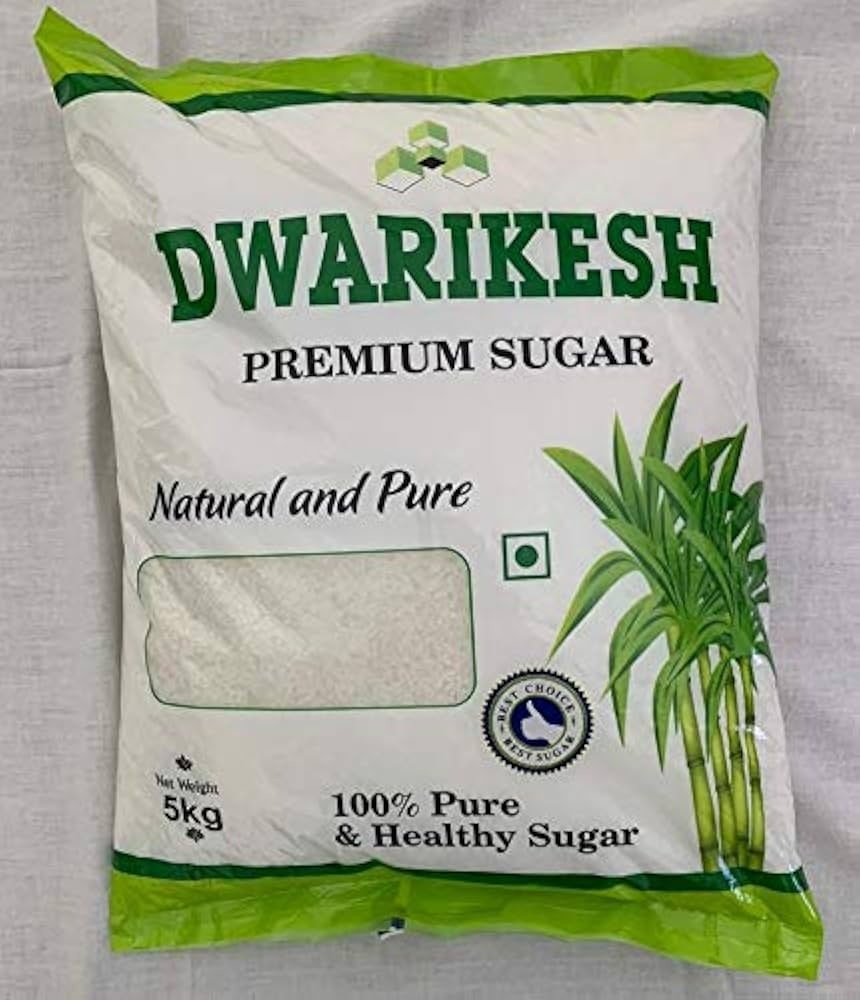
- Sugar (84% of H1FY25 revenue): Manufacturing grades L-31, M-31, S-31 — fancy labels for what ends up in your tea.
- Distillery (16%): The bio-energy business, producing ethanol and industrial alcohol. This is the “new-age” segment that every sugar mill now claims will save the planet and their P&L.
- Power Co-generation: Burning leftover bagasse to generate electricity, because why waste waste?
They have three fully automated sugar mills in Uttar Pradesh — Dwarikesh Nagar, Dwarikesh Puram, and Dwarikesh Dham — with 21,500 TPD crushing capacity. The distillery runs at 337.5 KLPD, and co-gen power stands at 94 MW