1. At a Glance
Welcome to Bombay Oxygen Investments Ltd, the company that once sold oxygen cylinders and now trades them for equity portfolios — quite literally. The only thing gaseous left here is the valuation.
In Q2FY26, the company reported sales of -₹5.7 crore (yes, negative sales — because apparently, numbers can inhale too) and a PAT of -₹5.2 crore, continuing its noble tradition of turning fresh air into negative cash flow.
At a stock price of ₹24,605, it boasts a market cap of ₹369 crore, a price-to-book value of just 0.72x, and a face value of ₹100 — making it the rare penny stock in disguise as a luxury item. It’s debt-free, of course, because you can’t owe money when you barely do business.
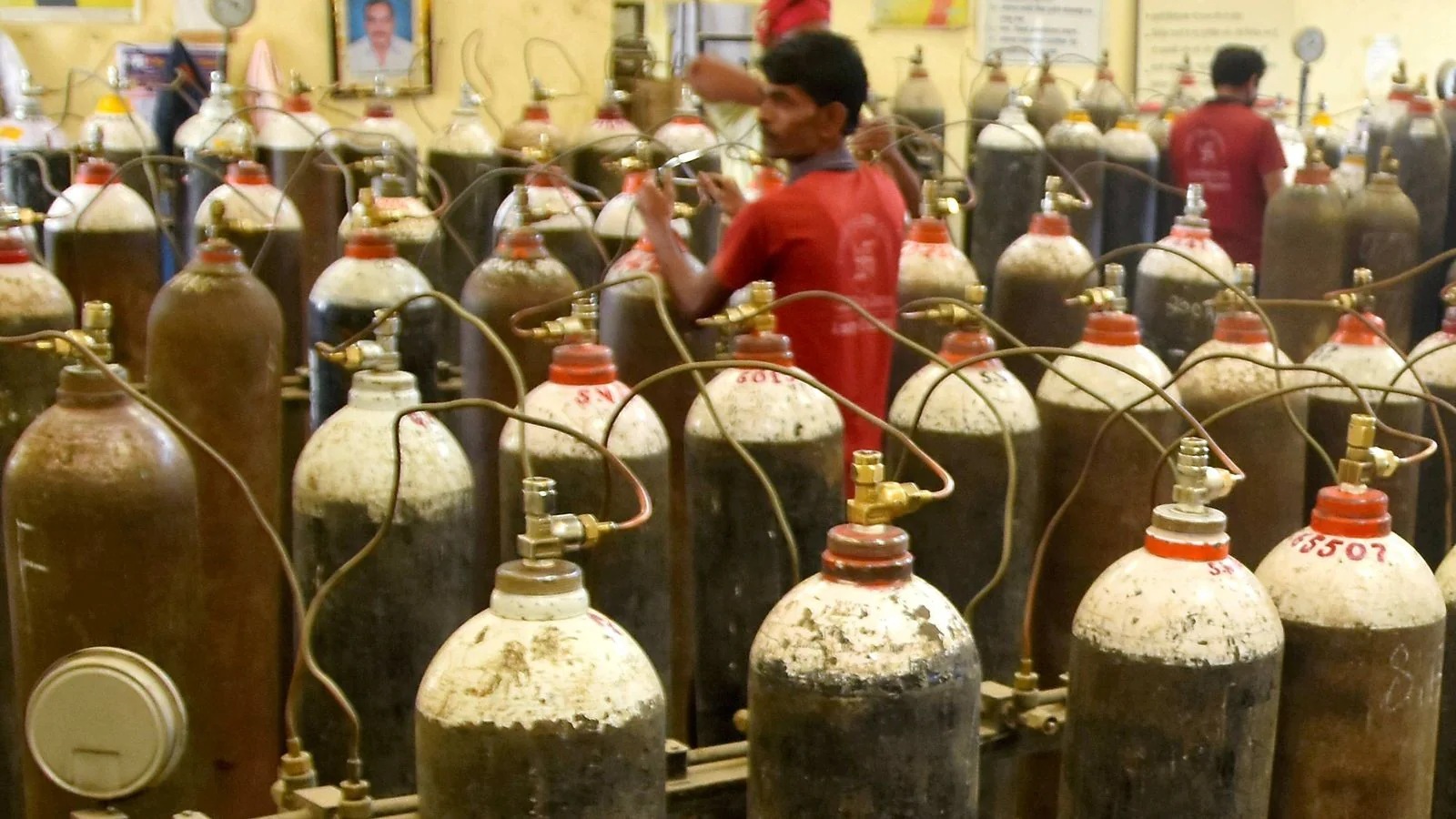
Once a serious industrial gases manufacturer, Bombay Oxygen pulled the plug on its cylinders in August 2019 and rebranded itself as an NBFC with investments worth ₹332 crore across equities and mutual funds. Now, it’s basically an oxygen plant that breathes dividends instead of air.
2. Introduction
If India ever held a “Corporate Reincarnation Awards,” Bombay Oxygen would win hands down. Imagine being born as an industrial gas company in 1960, serving factories and hospitals, and then suddenly deciding in 2019 — “You know what, enough of this heavy lifting, let’s just buy mutual funds.”
Since then, the company’s primary business has been existential ambiguity. It makes money when markets are up, loses it when they’re down, and calls it “fair value adjustment.” Essentially, it’s a small-time Berkshire Hathaway without Warren Buffett — or even a sense of humor about its balance sheet.
Bombay Oxygen today operates as a Non-Deposit Taking, Non-Systemically Important NBFC, which is finance-speak for “we don’t lend, we just sit on assets and hope they go up.”
So if you ever wondered what happens when an industrial gas company retires early and starts trading on Zerodha — here’s your case study.
3. Business Model – WTF Do They Even Do?
Let’s be honest: Bombay Oxygen doesn’t “do” much anymore. It just exists — quietly holding a ₹500+ crore investment book, waiting for dividends, interest income, or unrealized gains to drop by like old friends.
Here’s the short, tragicomic breakdown:
- Old Business (Pre-2019): Manufacturing and supplying industrial gases — oxygen, nitrogen, argon, etc.
- New Business (Post-2019): Investing surplus money in listed shares and mutual funds — because who needs compressors when you have compounding?
- NBFC Registration: Officially registered as a Non-Systemically Important Non-Accepting NBFC. Translation: “Too small to save, too boring to fail.”
- Revenue Sources (FY23):
- Net gain on fair value changes: ~18%