1. At a Glance
Imagine Mukesh Ambani walking into Charlie’s chocolate factory and saying, “Bas ye hi lena hai.” That’s Lotus Chocolate Company Ltd — India’s very own small-cap cocoa dream, now wearing a Reliance label. The stock’s sitting at ₹996 after losing about 33% in one year, as if it ate too much of its own sugar. With a market cap of ₹1,279 crore, P/E of 134x, and ROE of 33.8%, this company looks more like a dessert served with a warning sign.
Revenue in Q2FY26 stands at ₹160 crore (up 25% YoY), but PAT fell 72% YoY to just ₹1.44 crore — like a Cadbury bar melting on a hot Delhi afternoon. Debt? ₹197 crore. Debt-to-equity? 3.08. Basically, the company has more loans than lactose.
Reliance’s 51% stake means India’s largest conglomerate now owns a company making “Choco Drops” and “Supercar Bars”. Think of it — Jio Fiber, Vantara elephants, and now Chuckles chocolate. The Reliance empire is now literally sweet and salty.
2. Introduction
In 2023, when Reliance Consumer Products Limited (RCPL) bought a controlling stake in Lotus Chocolate, the stock market briefly imagined a golden wrapper moment. “Cadbury 2.0 incoming,” they said. What we got instead was a small chocolate factory that’s still learning how to melt profit, not hearts.
Founded in 1989, Lotus Chocolate has been around since Doordarshan was cool and dairy milk was Rs 5. It makes chocolates, cocoa powder, cocoa butter, and everything you could sneak into a pastry shop. But despite being in the sweetest industry possible, its net profit margin is just 3% — which is roughly the sugar content in bitter chocolate.
Reliance clearly saw something beyond sugar and cocoa. Maybe it’s brand play, maybe it’s vertical integration, or maybe Ambani ji just wanted an excuse to gift “On & On” bars at AGM meetings. Whatever it is, the acquisition turned heads — and not necessarily in awe.
This quarter’s results confirm the reality check: revenues are soaring, but profits are crawling. Lotus Chocolate is like that student who submits all assignments but still fails viva.
3. Business Model – WTF Do They Even Do?
Lotus Chocolate is basically India’s behind-the-scenes cocoa engine. It sources cocoa beans (mostly imported), processes them into cocoa powder, cocoa butter, and chocolate liquor, and sells these to industrial clients like Amul, Parle, and Mother Dairy.
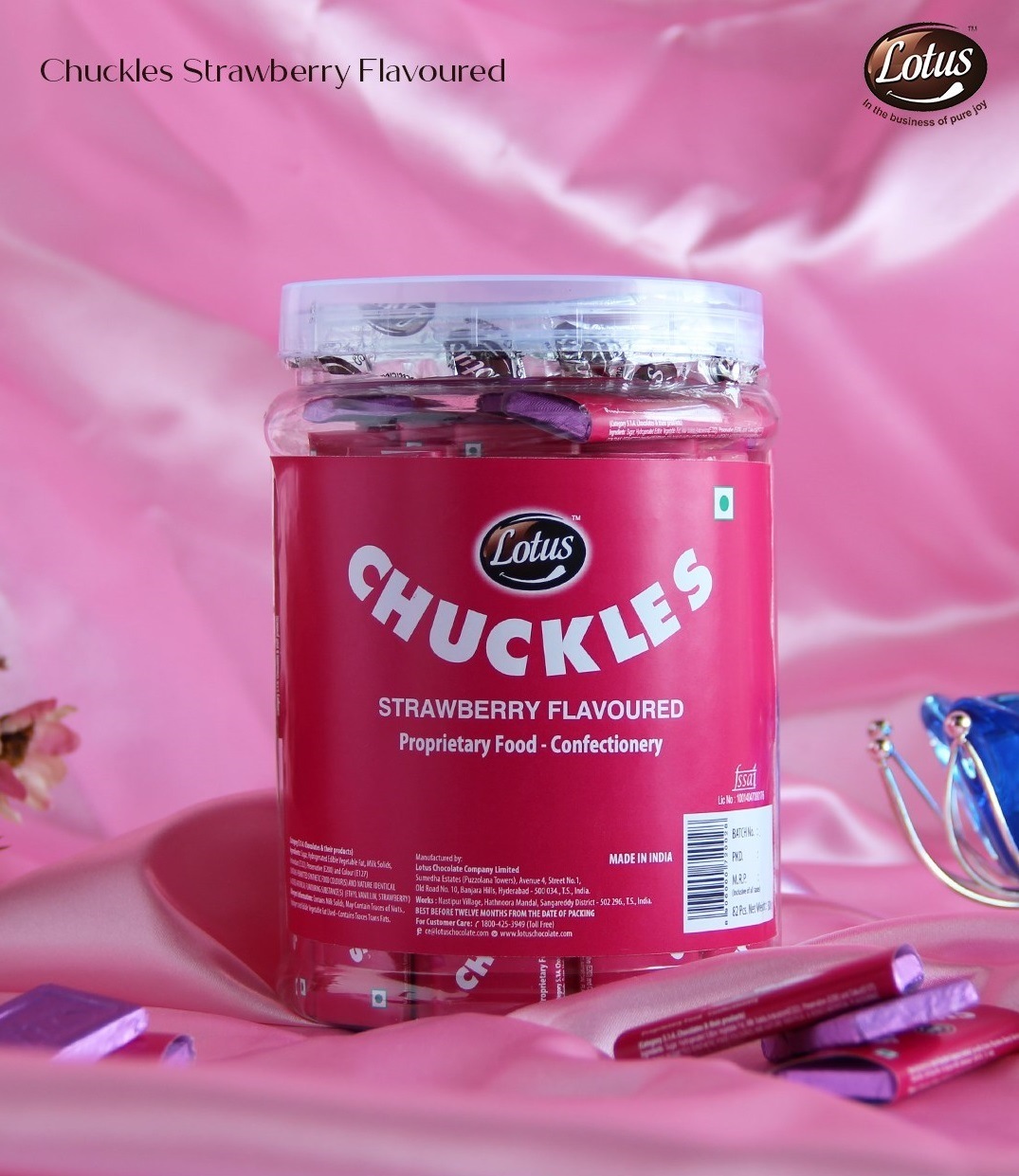
If you’ve eaten a chocolate ice cream from Amul or a Choco Bite from Parle, chances are there’s a little Lotus in there — even if no one told you. Their product line includes Chuckles, On & On, Choco Slab, Choco Drops, and Supercar bars. Cute names, thinner margins.
Their manufacturing facility at Medak, Andhra Pradesh, is ISO 9001 and FSSC 22000 certified, meaning it’s officially capable of making world-class chocolate, even if profits still taste domestic.
In short, Lotus is an upstream play — not the shiny FMCG marketer but the cocoa refinery for