1. At a Glance
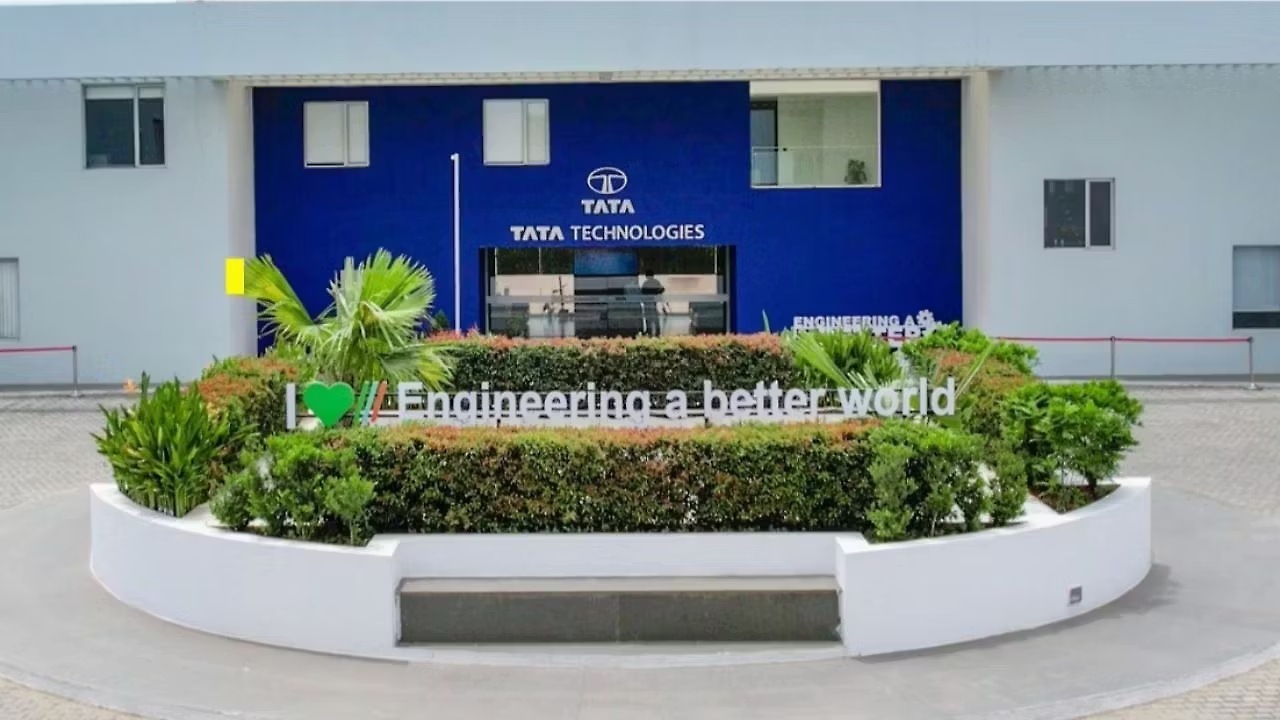
Tata Technologies — the engineering child Tata Motors secretly flexes when TCS hogs the limelight — posted Q2 FY26 revenue ₹1,323 Cr and PAT ₹166 Cr, clocking a 5 % YoY profit rise despite global clients delaying projects faster than government road tenders.
Market-cap: ₹27,799 Cr, trading at ₹685/share after being everyone’s post-IPO heartbreak (down 35 % YoY).
P/E 40×, ROE 19.9 %, ROCE 25.8 %, dividend 1.22 %, debt a diet-friendly ₹237 Cr.
So yes — the engineers are lean, mean, and still writing code for cars that can drive but not yet fly.
2. Introduction – The Comeback Engineer
Remember the Tata Tech IPO mania of 2023?
Retail investors queued like it was a Salman Khan movie release. The listing popped, then flopped, and now sits comfortably in the “hope for revival” portfolio section of your DMAT.
Yet the company has something rare — credibility without buzzwords. While the rest of India’s tech sector talks AI and metaverse, Tata Tech actually builds EV prototypes, aerospace models, and digital twins that exist outside PowerPoint.
Its client list reads like a Cannes red carpet of manufacturing — BMW, Airbus, Ford, Honda, Jaguar Land Rover, VinFast.
Q2 FY26 also brought a €75 million German acquisition and partnerships with Synopsys and BMW TechWorks India.
The detective in us smells a pattern: this is not a service vendor anymore — it’s a mini Bosch in the making.
3. Business Model – How They Make Money Without Selling Cars
Two engines drive this machine:
1. Engineering & Digital Services (78 %)
Outsourced product development for auto and aerospace OEMs — concept design, CAD/CAE modelling, EV powertrain simulation, software-defined vehicles (SDV).
Revenue up ~50 % between FY22-FY24 thanks to anchor clients (Tata Motors & JLR) and non-Tata wins like VinFast and ST Engineering.
2.