1. At a Glance
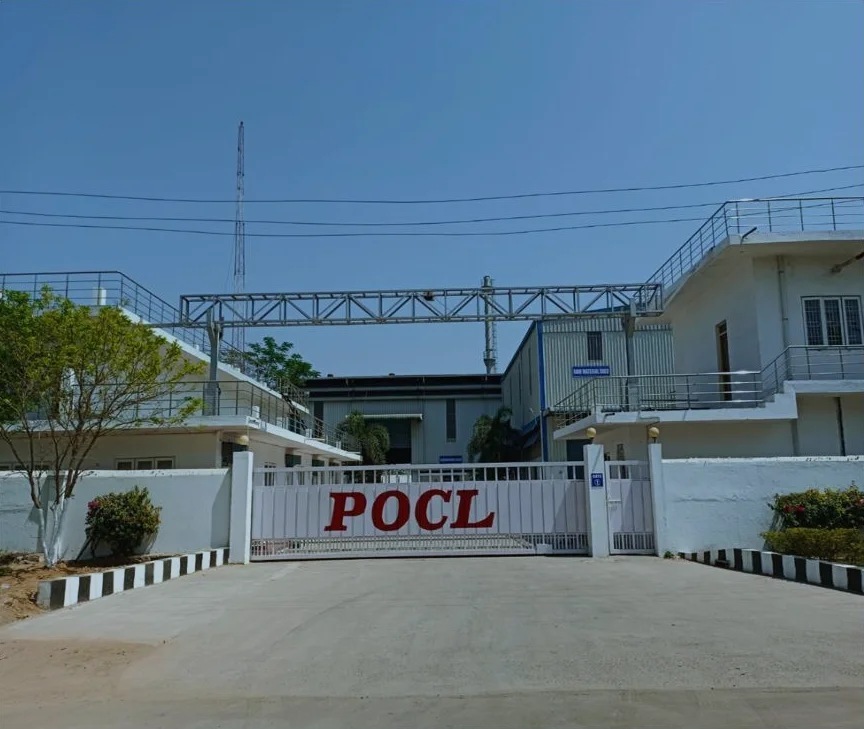
Ladies and gentlemen, welcome to the circus called POCL Enterprises Ltd. Market cap? ₹738 Cr. Current price? ₹240 – cheaper than some weekend resort buffets but more volatile than your uncle’s crypto picks. Three-month return: -1.9% (yes, red), six-month return: +3.6% (green if you squint). One-year return? A jaw-dropping +59% — so basically this stock behaves like an Indian traffic signal: red, yellow, green… all at once.
Ratios are juicier than roadside sugarcane juice. ROE at 37.5%, ROCE at 32.4%, and a P/E of 19.7 compared to industry average 22.1. Sounds disciplined, right? Until you peep at the balance sheet and see debt rising from ₹86 Cr in FY22 to ₹143 Cr in FY25. Ah, the classic Indian growth story: “Main udna chahta hoon… par loan ke bojh se thoda neeche hi udta hoon.”
2. Introduction
So, who are these people making noise in the metals and oxides business? POCL Enterprises isn’t exactly your household brand — unless your household includes a lead smelter, a tyre factory, or maybe Exide batteries chilling in your garage.
The company has mastered the art of making boring but profitable things: lead, zinc, metallic oxides, PVC stabilisers. Sounds dull? Think again. These are the hidden ingredients behind everything from your bike battery to your kid’s PVC school bag to that shady X-Ray shield at the local clinic.
Over the last three years, POCL’s revenue doubled faster than your cousin’s excuses for not repaying your loan. PAT grew from ₹18 Cr in FY23 to ₹37 Cr in FY25. Operating margins have crept from a pathetic 1–2% in FY20 to around 5% now. Nothing heroic, but in commodity land, even 5% looks like Shah Rukh Khan in DDLJ running across mustard fields.
And here’s the spicy masala: they recently got London Metal Exchange (LME) listing for POEL Lead, bagged a 15,000 MT supply contract, and raised ₹69 Cr via preferential issue while diluting promoter stake from 45% to 40%. Translation: promoters said, “Hum bhi paisa laaye… public bhi paisa dale… aur sab milke expansion kare.”
Question for you: Would you trust a promoter who reduces his own holding right before going global? Or do you see this as “skin in the game, but half moisturiser missing”?
3. Business Model – WTF Do They Even Do?
Detective hat on. POCL’s “business model” is basically a science project with dollar signs:
- Metals (65%) – The macho segment. Lead