1. At a Glance
Garuda Construction & Engineering Ltd (Garuda) is that rare smallcap builder who came from being a family’s pet contractor to suddenly flexing 30% operating margins like it’s a SaaS company. At ₹185/share, market cap is ₹1,723 Cr, P/E at ~25, and PBV at 5.17 — basically, the market is pricing cement like caviar. Q1FY26 revenue stood at ₹125 Cr (+256% YoY), PAT ₹28 Cr (+224% YoY), and EPS ₹3.01. ROE? A spicy 22.1%, ROCE hotter at 30.1%.
Debt? Almost zero. Promoter holding? A solid 67.6%. Dividend yield? 0.01% — i.e., don’t plan samosa parties from this. But here’s the real gossip: until FY23, ~94% of revenue came from related parties (hello, promoter group entities). Now, post IPO (₹264 Cr raised in Oct’24), Garuda swears it will woo “real” third-party clients. Order book sits at ₹1,408 Cr, spread across 12 projects.
So, is this a Cinderella contractor turning professional… or just a family-run construction arm trying to look independent for the stock market dance?
2. Introduction
The Indian construction sector is crowded: you have the L&Ts and Afcons building mega airports, NBCC chasing government PSUs, and then — Garuda, a company that started as a glorified family mason. For years, Garuda was basically the “in-house” builder for promoter PKH Ventures (77% pre-IPO), handling hotels, offices, and police HQs while the listed entity collected contractor margins.
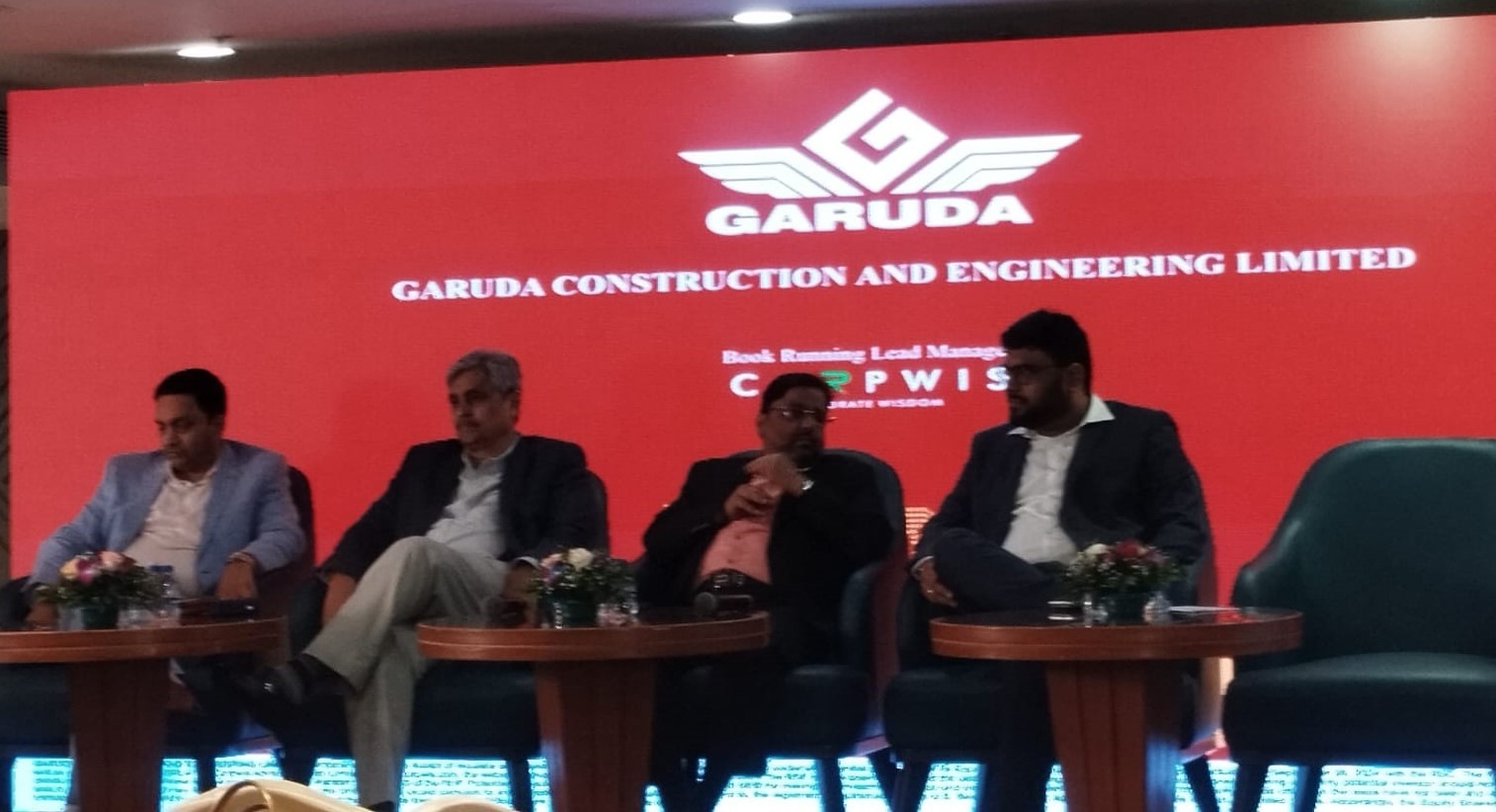
Then came 2023–24. Bonus issue (2:1), stock split (FV 10 to 5), IPO (₹264 Cr) — Garuda suddenly got dressed for the capital market party. The IPO was a cocktail of fresh issue and PKH Ventures’ OFS exit, raising eyebrows about promoter liquidity needs.
Today, Garuda boasts end-to-end civil construction services: planning, MEP, O&M, finishing. They run an “asset-light” model — subcontracting labour, renting machines, and acting like project managers rather than brick-and-mortar owners. Sounds great in theory, but reality check: debtor days are 293, working capital days ballooned to 405, which means money gets stuck in cement bags longer than Indian highway projects.
Yet, profit CAGR at 102% (5 years) and sales CAGR at 43% (3 years) make this stock look like a freshly painted apartment: shiny outside, leakage risk inside.
3. Business Model – WTF Do They Even Do?
Think of Garuda as a construction consultant with swag. Instead of owning a thousand labourers and cranes, they subcontract most of it. Their role:
- Civil Construction: Residential, commercial, industrial, infra.
- MEP Services: Electrical, plumbing, HVAC. Basically, the invisible stuff that decides whether your mall feels like Phoenix or Palika Bazaar.
- Finishing Works & O&M: Tiles, paints, maintenance — the final touches.
Revenue breakup (FY24):
- Commercial projects: 70.1%
- Residential: 22.2%
- Industrial: 6.7%
- Services: 1%
Order book ₹1,408 Cr = 6 residential