1. At a Glance
Indogulf Cropsciences (market cap: ₹650 Cr, CMP ₹103) just got listed in July 2025 with a ₹200 Cr IPO. In its first innings, the company is already serving pesticides with a side of volatility. P/E at 21.3 — cheaper than PI Industries but pricier than Sharda Cropchem. FY25 sales: ₹590 Cr, PAT: ₹30.5 Cr, OPM ~11%. Q1 FY26 looked like a monsoon miracle: revenue jumped 43% YoY to ₹189 Cr, PAT up 657% to ₹3.9 Cr (low base effect, but still). Promoter holding fell from 96.9% to 69% post-listing, so now retail is the new pesticide sprayer. Debt at ₹155 Cr, debt/equity 0.67. ROE 13%, ROCE ~15%. Verdict: Not Titan-level flashy, not UPL-level global giant — more like a solid Tier-2 player trying to fertilize investor confidence.
2. Introduction
Agrochemical companies are like Bollywood villains. Everyone hates them, but without them the story doesn’t move. Farmers curse pesticides but still buy them; investors curse working capital cycles but still subscribe to IPOs. Indogulf fits perfectly in this script.
Born in 1993, the company has slowly climbed the ladder from being just another pesticide formulator to running four plants across Haryana and J&K, exporting to 34 countries, and claiming patents like Bollywood movies claim “based on a true story.”
Their IPO in July 2025 raised ₹200 Cr, with ₹160 Cr earmarked for working capital, debt repayment, and a dry flowable (DF) plant in Haryana. Classic desi listing strategy: raise money, expand capacity, promise R&D, and hope margins follow.
Question to readers: Do you think IPO cash should first kill debt or build shiny new plants?
3. Business Model – WTF Do They Even Do?
Indogulf’s pesticide cocktail has three shots:
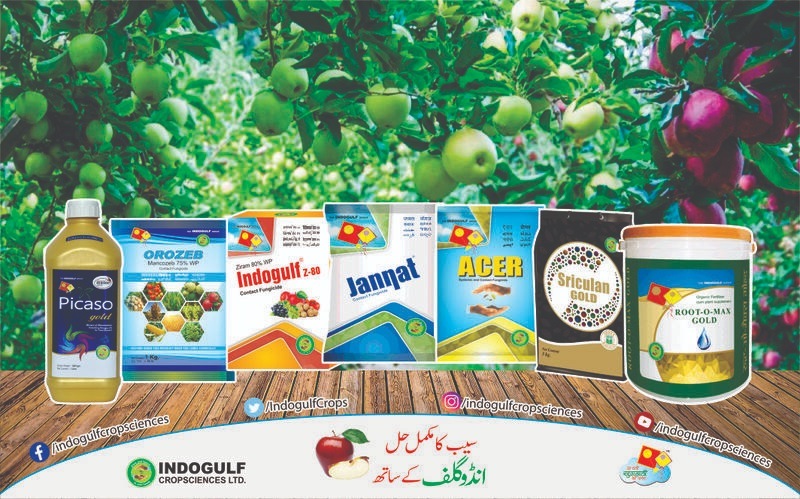
- Crop Protection Products (90% of revenue) – Insecticides, fungicides, herbicides. Popular brands like Farrate and Dominator sound more like WWE wrestlers than agri-products. Technicals like Abamectin and Chlorantraniliprole are backward integrated.
- Plant Nutrients (4%) – Fertilizers, micronutrients, zinc blends. Basically, “protein shakes” for soil.
- Biologicals (6%) – Bio-stimulants and bio-fertilizers. Products named Breeza, Apache, Empire — apparently even bacteria need branding.
Their sales split is 52% B2C retail (direct farmers), 34% B2B domestic (other agro firms), and 13% exports. Client list