1. At a Glance
Imagine running a company with 80% market share in maintenance dredging, an order book fat enough to feed the Suez Canal, yet still managing to lose ₹37 Cr in FY25. That’s Dredging Corporation of India (DCI) for you. Market cap? ₹1,768 Cr. Current price? ₹632, down 33% in 1 year—a Titanic trajectory. Revenue? ₹1,234 Cr, with margins just afloat at 14% OPM. Debt? A heavy ₹923 Cr, dragging it down like an anchor. ROE and ROCE are both negative, which in corporate lingo translates to: “We’re digging holes, not creating value.”
2. Introduction
When your business is literally scooping mud out of water, jokes write themselves. DCI is India’s monopoly janitor of ports, ensuring harbours don’t silt up like clogged drains. But despite this monopolistic edge, it looks less like a crown jewel and more like a PSU child lost at sea.
Back in the day, dredging was considered a dull but reliable business. Ships bring trade, ports need depth, dredgers clean up—money made. But DCI shows us how even monopolies can bleed: ageing fleet (25+ years old), endless dry-docking repairs, liquidated damages (₹66 Cr in FY25), and CFO resignations like employees ghosting HR after appraisal season.
And here’s the spicy bit: promoters own 73.5% (mostly Indian ports). So technically, your tax money is cleaning harbours at a loss. The government had even planned strategic disinvestment—basically “please adopt this orphan.” Investors? They are behaving like relatives at a shaadi—turning up only when the buffet looks attractive.
3. Business Model – WTF Do They Even Do?
Let’s break it down:
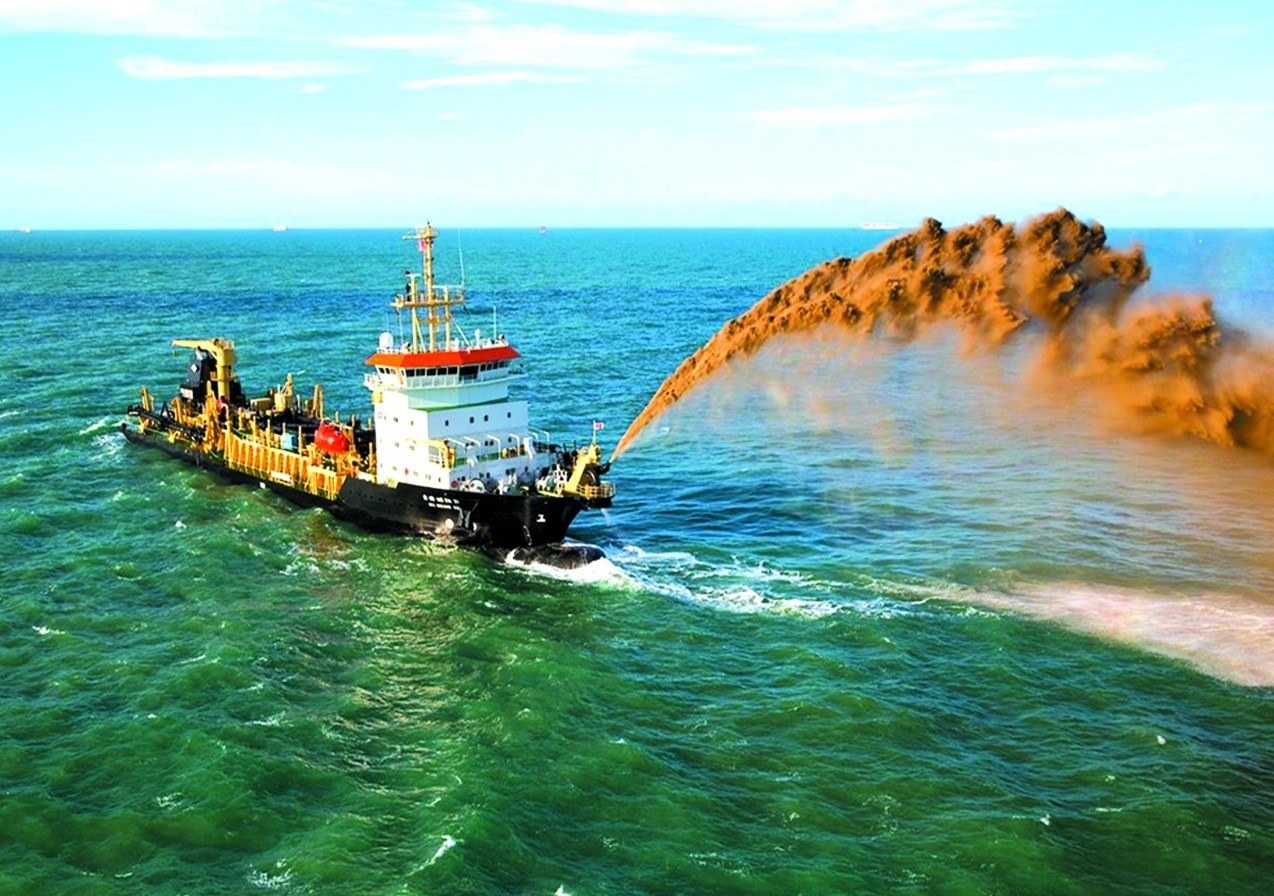
- Maintenance dredging (bread & butter, 80% share): Removing silt like a giant underwater vacuum cleaner. Without it, ships run aground, and you don’t get your Amazon parcel.
- Capital dredging: Cutting virgin soil to deepen channels. Think plastic surgery for ports.
- Land reclamation: Creating land out of sea—Dubai-style but at Vizag budgets.
- Beach nourishment: Dumping sand back on eroding beaches. Goa tourism says “thank you.”
- Inland waterways dredging: Cleaning rivers so barges don’t get stuck like Ola autos