1. At a Glance
Jyoti Resins & Adhesives (BSE: 514448) is that rare smallcap where numbers don’t just look good—they look engineered by an obsessive Gujarati CA. At ₹1,242/share, the company is valued at ₹1,490 crore market cap with a P/E of 20.6x—cheaper than your average chemical darling, yet with ROE of 37% and ROCE of 50%, numbers that would make even Pidilite’s Fevicol blush.
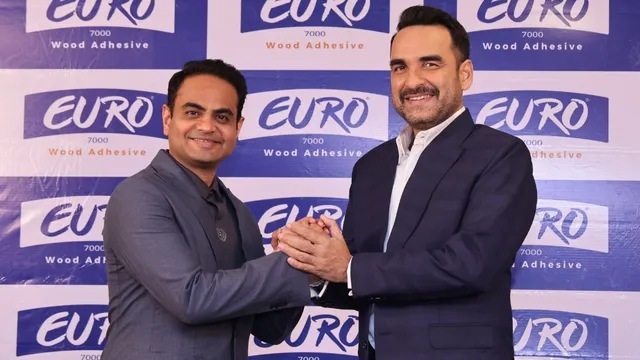
Revenue for FY25 stood at ₹290 crore with PAT of ₹72.5 crore, giving a net margin of 26%. Zero debt, zero pledges, and a distribution army of 12,000 retailers and 3.5 lakh carpenters. Only problem? Stock is down 20% in the past year because Mr. Market got bored after margins peaked at 30%+. But don’t ignore this “second largest adhesive brand in India”—it may not have Salman Khan dancing on ads, but carpenters swear by Euro 7000.
2. Introduction
Welcome to the glue wars. On one side, Pidilite’s Fevicol—bollywood ads, memes, and even “Majboot Jod” jokes. On the other, Jyoti Resins—quietly building Euro 7000 into the No. 2 retail adhesive brand in India, without needing Govinda in a TV commercial.
Jyoti Resins’ story is a lesson in boring businesses making rich investors. They import raw materials, make resin-based adhesives at their Ahmedabad plant, sell in packets from 500g to 70kg, and distribute via branches, distributors, and agents. No flashy brand ambassadors, just a sticky product that carpenters across India swear by.
The financials are insane for a smallcap: 30% EBITDA margins, 37% ROE, 50% ROCE. Yet, it trades at a P/E of ~20, which in specialty chemicals world is like being on discount rack at D-Mart. But beware: volume growth has slowed (flat in FY24), debtor days are rising (161 days), and expansion plans depend on environmental clearances. Still, it’s rare to see a business so simple, yet so profitable.
3. Business Model – WTF Do They Even Do?
Imagine Fevicol, but cheaper, stickier, and targeted at carpenters in Tier-2/3 India. That’s Euro 7000.
- Products: Synthetic resin adhesives with anti-termite, waterproof, fast-dry, and high-strength features. Works on wood, PVC, acrylic. Hot and cold press applications.
- Business Model: Import raw material, process at Ahmedabad, package in multiple SKUs, sell through distributors and 400 sales guys. Asset-light: