1. At a Glance
Metropolis Healthcare (NSE: METROPOLIS, BSE: 542650) — India’s second-largest diagnostics player and undisputed king of South-West India — trades at ₹2,015 a share. Market cap? A healthy ₹10,437 Cr, which ironically is larger than many hospitals it supplies reports to. P/E a nose-bleeding 68.6, compared to industry 38.6. ROE 11.5%, ROCE 14.7%, debt a mild ₹204 Cr. Last twelve-month sales ₹1,404 Cr, PAT ₹152 Cr. Quarterly revenue ₹386 Cr (Jun ’25), up 23% YoY. Dividend yield 0.20% — i.e., enough to buy a samosa, not the chai.
So the headline: This company charges patients ₹494/test but charges investors a ₹2,000/share “trust tax.”
2. Introduction
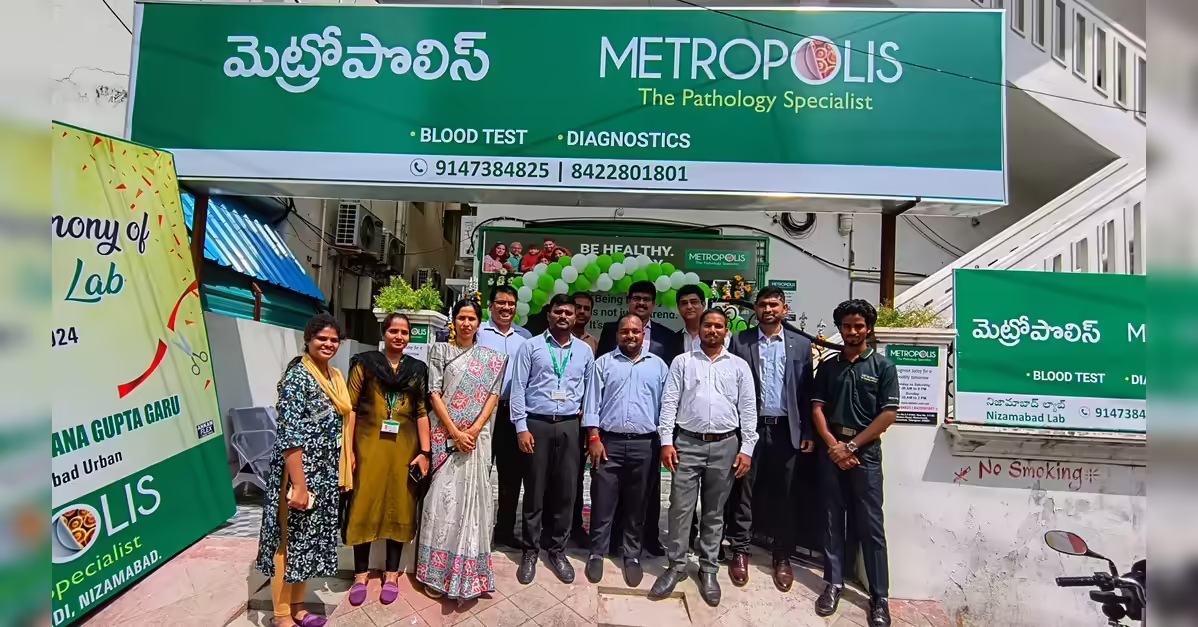
Diagnostics companies are like Indian aunties at weddings — they poke, test, and gossip about your blood sugar, cholesterol, or vitamin D deficiency. Metropolis has built an empire of 167 labs and 3,800+ collection centres across 488 towns, plus Africa for extra masala.
In COVID times, labs were printing money like demonetisation ATMs. Post-COVID, the hangover hit. Revenues normalised, margins compressed, and now growth depends on wellness packages, acquisitions, and how fast they can convince middle-class Indians that ₹7,000 “premium full body check-up” is a better investment than LIC policy.
The IPO years ago looked glamorous; now the stock has become the high-P/E cousin investors still bring home because of “brand value.” So, is Metropolis a diagnostic darling or a hypochondriac stock addicted to high valuations?
3. Business Model – WTF Do They Even Do?
Metropolis pokes you, collects fluids (blood, urine, maybe tears), runs them through machines, and hands you a report that dictates whether you eat samosas or salads next month.
Revenue split (H1 FY24):
- Core (incl. hi-tech) tests: 98%
- PPP contracts: ~0.5%
- Covid tests: 1.5% (the ghost of pandemic past)
Segment quirk: B2B (hospitals, doctors, clinics) = 51% of revenue. B2C (direct walk-ins and wellness junkies) = rest. B2B is stable but slow-paying, with receivables fatter than patient files. B2C is high margin but needs brand push.
International? 9 labs in Kenya, 6 in Zambia, 4 in Ghana, 3 in Tanzania, 1 in Uganda. Basically, Africa is their second home.
Fun fact: They opened 141 centres and 7 labs in Q2 FY24 — clearly in “franchise everything” mode. Asset-light: over 90% leased. Translation: “We rent, not own. Investors