Spotted a factual error — a wrong number, date, or fact? Tell us and we will check the source.
1. At a Glance
CCL Products (India) Ltd, the self-proclaimed coffee czar of India, is sitting pretty at a market cap of ₹11,988 crore while brewing a quarterly revenue of ₹1,056 crore and a quarterly PAT of ₹72.4 crore. The stock trades at ₹898, with a P/E of 38.5—basically, the company is priced like it’s serving Blue Tokai cold brews but still sells most of its beans in bulk. Return on equity is 17%, but debt is a heavy shot at ₹1,815 crore, giving a debt-to-equity ratio of 0.92. The latest quarterly profit growth? Barely 1.37%. Yet, the stock has given a 61.8% return in just six months—clearly caffeine does more to share prices than to investors’ eyelids.
2. Introduction
Imagine a company that started life in 1961 not as a coffee seller but as a finance firm—yes, they went from EMI to espresso. After a few decades of wandering, they rebranded as Continental Coffee in 1994, decided to roast beans instead of balance sheets, and by 2002 morphed into today’s CCL Products.
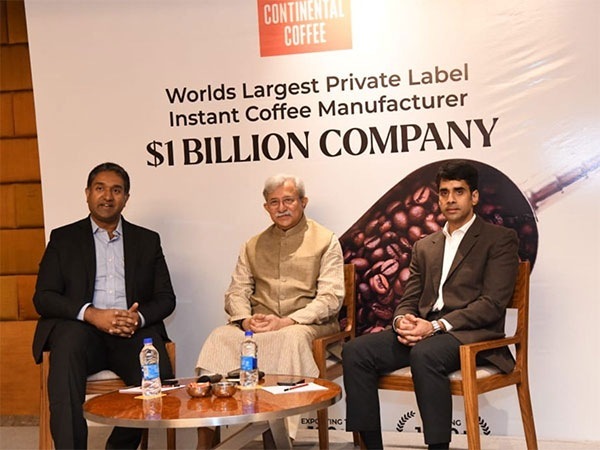
Fast forward to FY25-26, and they claim to be among the world’s largest private-label coffee producers, exporting to 90+ countries. Essentially, if you drink instant coffee from a nameless packet in Europe or the US, chances are you’re sipping Andhra Pradesh in disguise.
But here’s the kicker—while they flex about being in 90 countries, their domestic brand Continental Coffee is still fighting for scraps in South India with a measly 4–5% market share. Tata Consumer is laughing in Davidoff while CCL is hustling with vending machines in office lobbies.
And just like any true desi promoter, they’ve now decided that B2C is the new frontier. Because, of course, bulk exports at stable margins aren’t glamorous enough—why not burn money in ad campaigns so you can sell sachets at your neighborhood kirana?
3. Business Model – WTF Do They Even Do?
Let’s simplify. CCL runs two parallel universes:
Bulk B2B Export Mafia: They buy green beans (mostly from Brazil, Vietnam, and India), roast, grind, spray-dry, freeze-dry, and ship to foreign brands who slap their own labels. This is 80%+ of business. It’s boring, stable, and profitable—like that cousin who quietly clears CA exams.
Domestic “Continental” B2C Hustle: They’re trying to be the Tata Consumer of coffee, selling brands like Continental Xtra, Black Edition, and Malgudi. They’ve even entered airlines (Indigo, AirAsia) and hotels (Club Mahindra, Radisson). Translation: they’re pushing small sachets aggressively, but margins are thinner than your hostel mess chai.
Manufacturing bases: four factories—two in Andhra Pradesh, one in Switzerland, and one in Vietnam. India runs at 100% utilization; Vietnam chills at 65–70% (probably because local farmers drink it straight from the plant). Switzerland is just for agglomeration and packaging, basically a Swiss sticker factory.
So yes—they roast beans, dry them in different fancy ways, and then play courier for the world’s caffeine addiction.