1. At a Glance
IRM Energy Ltd (IRMEL) – the baby cousin in India’s gas distribution family – is trading at ₹367 with a market cap of ₹1,505 Cr. The stock’s been puffing harder than your neighbourhood chaiwala’s stove, up 22% in 3 months and 33% in 6 months. Yet, for FY25, profit growth fell off a cliff at -48%, while sales still managed 14% growth. Current P/E is a spicy 37x (industry median ~20x), ROE is crawling at 4.7%, and dividend yield is just 0.41% – basically enough for one cutting chai. But hey, it has 76,000+ households locked into PNG, 112 CNG stations pumping gas, and Cadila Pharma holding 50% – so clearly someone is underwriting this mid-sized dream.
2. Introduction
Imagine running a gas distribution company where you get 25 years of monopoly in certain districts, courtesy PNGRB, but your returns look like an LIC policy in its first three years – all premium, no maturity. Welcome to IRM Energy.
Born in 2015, IRMEL is like that ambitious millennial cousin – late to the party, but armed with exclusive rights to sell natural gas in Banaskantha (Gujarat), Fatehgarh Sahib (Punjab), Diu & Gir Somnath (Daman/Gujarat), and Namakkal-Tiruchirappalli (Tamil Nadu). Think of them as the Zomato of gas pipelines: once they hook you, you’re not switching.
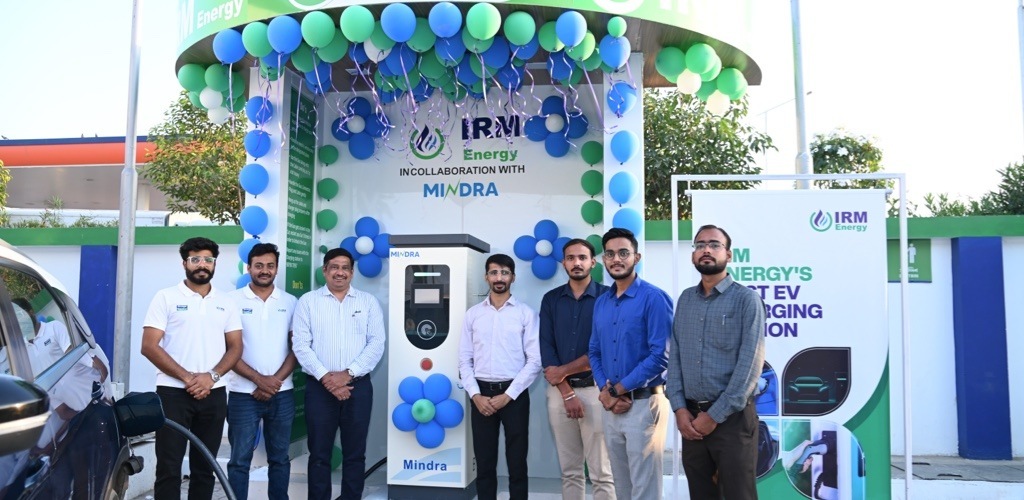
The company is half-owned by Cadila Pharma (yes, the medicine people), which means you get a weird combo of pharma-parent + gas-child. IRM has added over 76,000 domestic PNG connections, 433 commercial kitchens, 217 factories, and a sexy round figure of 112 CNG stations. Yet, despite all this infrastructure, its net profit last year was just ₹40 Cr – which in Indian stock market terms is basically “chai-paani.”
The irony? Investors are still valuing it at 37x earnings, while industry behemoths like Mahanagar Gas and Petronet trade at 12–18x. Maybe the smallcap gas dream is the new fintech fantasy?
3. Business Model – WTF Do They Even Do?
Alright, detective hat on. IRMEL’s crime scene is simple:
- CNG (Compressed Natural Gas): Sold at stations to autos, cars, buses, and trucks. Basically, the “petrol pump with less smell.”
- PNG (Piped Natural Gas): Delivered directly to homes (for your mom’s gas stove), hotels/bakeries (for your samosas), and industries (for boilers, kilns, furnaces).
Volume split? CNG ~59%, PNG ~41%. Translation: their bread and butter is literally the cab driver and the rickshawala.
They operate under 25-year exclusive infrastructure rights in each GA. Which means: no competitor can suddenly dig up Banaskantha to lay new pipes. Think of it as getting married in an arranged marriage town: once chosen, no replacement.
But here’s the kicker: They